

Best Dip Switch Supplier: Ensuring Quality and Reliability for Your Electronic Projects
2026-06-03
When building electronic projects that demand precision, the smallest components often make the biggest difference. Dip switches may seem unassuming, but their quality can make or break your design's reliability. That's where finding the best dip switch supplier becomes essential—not just for parts, but for peace of mind. At KEJIAN ELECTRONICS, we've seen how the right switch can simplify prototyping and ensure long-term performance. But what truly sets a supplier apart in a crowded market? Let's explore the subtle details that engineers often overlook—and why they matter more than you might think.
Understanding the Role of Dip Switches in Modern Electronics
Dip switches might look like a relic from the era of floppy disks, but they still earn their place on plenty of circuit boards. These tiny banks of manual toggles let you hardwire a configuration directly into a device—no software interface, no boot-up sequence required. That immediacy is exactly why engineers keep reaching for them when they need a setting that stays put, even when the power is off.
You'll spot them most often in industrial gear, addressable lighting systems, or inside a garage door opener, anywhere a device needs a unique ID or a persistent operating mode. Instead of plugging in a programmer and flashing firmware, you just flip a few switches and close the case. This physical simplicity cuts out an entire layer of potential failure, whether it's a corrupted config file or a networking glitch during setup.
There's also a tactile certainty that comes with a dip switch. When you slide that tiny actuator, you know the circuit state changed—no guessing about whether a software variable took hold. In a world drowning in over-the-air updates and mutable settings, that kind of old-school permanence can be a feature, not a flaw.
Key Factors to Evaluate When Choosing a Supplier
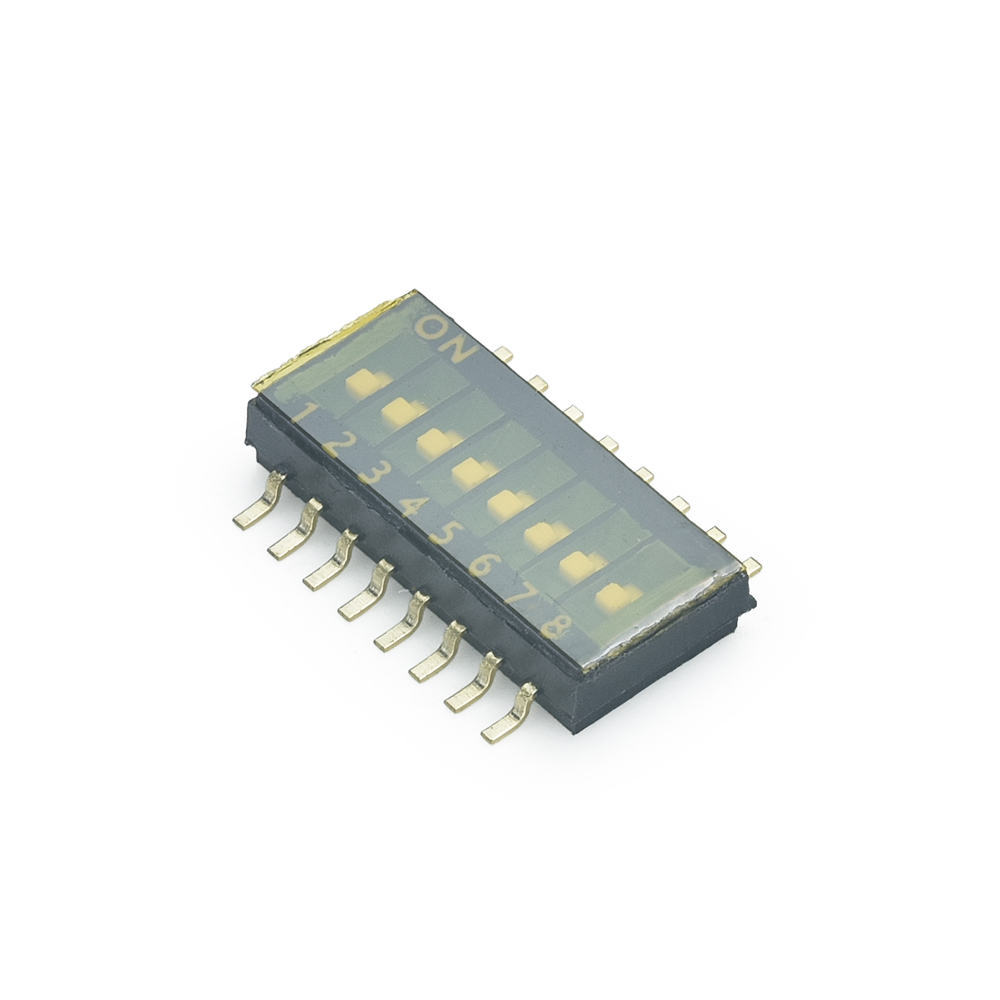
Selecting the right supplier goes beyond comparing price tags. It demands a careful look at their track record for on-time delivery, ethical standards, and how swiftly they respond when problems arise. A partner who understands your business goals can anticipate needs rather than just react to orders.
Quality consistency, transparent communication, and financial stability often matter more than the lowest bid. Dig into their production capabilities and ask about their own supplier relationships—disruptions upstream easily become your headache too. Visiting their facilities, even virtually, reveals much about their operational hygiene and workforce morale.
Quality Assurance Practices That Set Manufacturers Apart
Some manufacturers still treat quality checks as a final filter—a last-minute gate before products ship. The ones worth their reputation embed verification into every step. Instead of relying on a single inspection station, they weave automated sensors and manual spot-checks along the assembly line. If a torque value drifts or a weld looks questionable, the process flags it immediately, not three days later when someone’s sorting through a batch hold.
Then there’s the paper trail, or more accurately, the lack of one. Top-tier shops run digital traceability that tracks each component back to its raw material batch, supplier, and production shift. When a problem surfaces—say, a batch of fasteners showing early corrosion—they can isolate the affected units in minutes rather than recalling entire shipments. That kind of granular visibility doesn’t come from software alone; it demands discipline on the floor, with operators logging real data instead of check-the-box forms.
Beyond tools and data, the real differentiator is how teams respond to defects. Lesser operations chase root cause down rabbit holes, assigning blame or firing off corrective actions that never stick. Leaders in quality run post-mortems that read more like engineering peer reviews: blunt, numbers-driven, and focused on system loopholes rather than human error. They’ll adjust fixture designs, update preventive maintenance schedules, or retrain staff without fanfare—because the goal isn’t a clean audit report; it’s parts that never fail in the field.
Customization Options for Specialized Project Requirements
Every specialized project brings its own set of demands that off-the-shelf tools rarely satisfy. It’s not just about adding a logo or changing a color—real customization means adapting the fundamental building blocks to fit the way your team thinks and works. Whether you need a custom data pipeline that pulls from legacy systems, unique approval chains that mirror your organizational hierarchy, or bespoke reporting dashboards that surface only the metrics that matter to your stakeholders, the flexibility should be there from day one. The goal isn’t to force your complex workflow into a rigid box, but to let the system conform to your operational reality, not the other way around.
This kind of adaptability goes beyond simple configuration menus. It involves a deeper layer where data models can be extended with custom fields and relationships, user interfaces can be rearranged to surface critical actions first, and automations can be scripted to handle edge cases that generic logic would miss. Imagine integrating industry-specific compliance checks directly into your project milestones, or generating client-facing documents that pull live data while still matching your firm’s exact formatting standards. These aren’t luxuries; they’re often the difference between a tool that gets adopted across the organization and one that gathers dust because it doesn’t quite fit.
Crucially, deep customization shouldn’t mean locking yourself into a brittle, unmaintainable setup. Smart customization layers separate your unique logic from the core platform, so updates and improvements can be absorbed without breaking your tailored workflows. This balance—between off-the-shelf stability and hand-crafted precision—is what lets specialized teams stay agile while still getting exactly what they need. When done right, the line between “standard feature” and “custom build” blurs, and the platform starts to feel like it was purpose-built for your niche, because in many ways, it was.
Balancing Cost and Long-Term Reliability
Finding the sweet spot between upfront spending and enduring performance rarely follows a tidy formula. Too often, companies chase the lowest initial quote only to discover that cheaper materials or rushed assembly invite failures down the line. The real discipline lies in mapping the full life cycle of an asset: what looks like a bargain today may demand twice the maintenance budget within a few years. Smart teams learn to read beyond warranties and spec sheets, asking uncomfortable questions about how components hold up under real-world stress rather than ideal lab conditions.
Another layer that complicates the balance is organizational short-termism. Quarterly targets can push decision-makers toward options that inflate near-term margins while quietly loading risk onto the long-term balance sheet. A few forward-leaning enterprises have started blending reliability engineers into procurement conversations, not as afterthought advisors but as equal voices who can articulate the hidden costs of premature degradation. This shift doesn’t just protect physical infrastructure; it defends the brand from the slow erosion of trust that follows frequent outages or early replacements.
Ultimately, the conversation needs to move away from a false trade-off toward integrated value. The most resilient organizations treat cost and reliability not as opposing dials but as two dimensions of the same decision framework. They invest in rigorous scenario modeling, yes, but also in a culture that celebrates long-serving equipment and the teams that maintain it. When a pump that was once considered “too expensive” runs trouble-free for a decade while a rival’s cheaper unit gets swapped out three times, the accounting suddenly looks different—and the lesson becomes part of institutional memory.
Real-World Applications Where Dip Switches Make a Difference
Dip switches continue to play a vital role in industrial automation, where reliability and simplicity are paramount. On factory floors, they are commonly used to set device addresses on RS-485 networks, enabling dozens of sensors and actuators to coexist on the same bus without conflicts. A maintenance technician can quickly configure a replacement motor drive by matching the tiny rocker positions from the faulty unit, minimizing downtime and eliminating the need for a laptop or proprietary software. This hands-on, hardware-defined configuration remains immune to firmware glitches or communication errors that might plague software-based alternatives.
In consumer electronics, dip switches offer a tamper-resistant way to customize product behavior during manufacturing or installation. For instance, a line of smart thermostats might use them to select between heat pump and conventional HVAC modes before being sealed inside the housing. Because the selection is purely physical, homeowners won't inadvertently change it through a touchscreen menu, ensuring safe and intended operation. Similarly, some older gaming consoles and retro computing projects rely on dip switches to toggle region codes or enable debug modes, a nod to hardware-level control that enthusiasts appreciate for its transparency and permanence.
Beyond these traditional settings, dip switches are increasingly found in modern IoT edge devices, particularly those deployed in remote or energy-constrained environments. A wireless soil moisture sensor used in agriculture may use a bank of micro dip switches to define its sleep interval or transmission power directly on the circuit board. Field personnel can adjust these parameters without draining the battery on a smartphone app or establishing a network connection, which is critical when the device is buried under crops. This low-tech, rugged configuration method ensures that the device remains functional and configurable even when digital interfaces fail or cellular connectivity is spotty.
FAQ
DIP switches are tiny manual electronic components used to set configurations on circuit boards. You’ll often find them in industrial controls, remote transmitters, garage door openers, or even on motherboard jumper blocks. They let you toggle individual circuits on or off without needing a programming interface.
A reliable supplier typically offers detailed data sheets, discloses material and plating specs, and has a track record of consistent delivery. It helps if they provide samples or small-batch options so you can test the tactile feel and soldering behavior firsthand before committing to larger volumes.
Poor-quality switches can lead to intermittent contacts, oxidation over time, or outright failure under vibration. For projects that must run 24/7—like medical equipment or automated machinery—a flaky switch isn't just annoying, it can become a safety or downtime risk.
Look for switches that have been tested for contact resistance stability, life cycle (tens of thousands of actuations), solderability, and environmental stress like humidity and temperature cycling. These results should be documented in the product datasheet or available upon request.
Standard DIP switches have actuators that protrude enough for finger or tool operation, while low-profile variants are designed for tight spaces—often flush or barely above the PCB surface. Low-profile types are great when you need to place a board behind a panel, but they can be trickier to adjust without a small screwdriver.
If the actuator feels mushy, the housing looks unevenly molded, or you notice inconsistent plating color across terminals, chances are quality control wasn’t strict. Also, be wary of deals that seem too cheap—they often skip crucial steps like gold plating thickness or proper contact wiping mechanisms.
Conclusion
Dip switches might seem like humble components, but they still handle critical configuration tasks across countless devices—from setting addresses on industrial modules to defining modes on medical instruments. Choosing a supplier isn't just a box-ticking exercise. You need to look beyond glossy datasheets and examine how a manufacturer actually builds and tests their switches. Do they use high-grade phosphor bronze contacts that resist oxidation over decades? Are the housings engineered from heat-stabilized thermoplastics that won't warp during reflow soldering? The best suppliers subject every batch to automated optical inspection, contact-resistance checks, and aggressive lifecycle testing that simulates years of use in days. They also offer real customization: think side-actuated versions for tight board layouts, tape-and-reel packaging for automated assembly, or gold-plated terminals for low-voltage signals in corrosive environments. When a supplier invites you to audit their production line and readily shares failure-analysis reports, it’s a strong signal that they’ve built quality into their DNA, not just their marketing.
There’s always a temptation to chase the lowest unit price, especially when procurement pushes for cost savings. But dip switches that stick or lose contact after a few months can trigger expensive field recalls and erode your product’s reputation. Smart engineers weigh initial spend against mean-time-between-failure data and the supplier’s warranty terms. A well-made switch pays for itself many times over by eliminating intermittent glitches in networking gear, keeping safety parameters intact in an emergency ventilator, or maintaining factory presets through dust and vibration on a factory floor. Real-world reliability means the switch retains its detent click, no matter how many times an operator flips it, and that its sealed construction shrugs off humidity and chemical cleaning agents. By partnering with a supplier who understands these stakes, you’re not just buying a component—you’re investing in the long-term stability of your entire design.
Contact Us
Contact Person: Anna lin
Email: [email protected]
Tel/WhatsApp: +86 13567768885
Website: https://www.kjele.com/