

Best Walking Aids Series for Better Balance and Confidence
2026-09-07
Most walking aid roundups read like spec sheets. This series is different. We’re not here to list features—we’re here to match you with gear that actually keeps up with your life, whether that’s navigating a busy grocery aisle or strolling through the park without white-knuckling the handle. In this Best Walking Aids Series for Better Balance and Confidence, each recommendation earns its place through real-world testing and honest feedback. And yes, Suncare comes up often—not because of hype, but because their aids consistently deliver the stability people say they can feel on day one. Curious which one fits your routine? Keep reading.
Sturdy Without Feeling Like Medical Gear
The first thing you notice is what's missing: the cold, clinical edge that most heavy-duty supports bring into a room. The materials are tough enough to handle real weight and repeated use, yet the finish and contours feel closer to well-made furniture than hospital equipment.
Reinforced joints and a wide, stable base do the quiet work of keeping everything steady. Nothing creaks or shifts when you lean into it. But the silhouette stays slim, the edges are softened, and the color sits easily in a normal home. It's built to be relied on, not to stand out as something you'd find in a clinic.
Steadier Steps on Cobblestones and Cracked Pavement
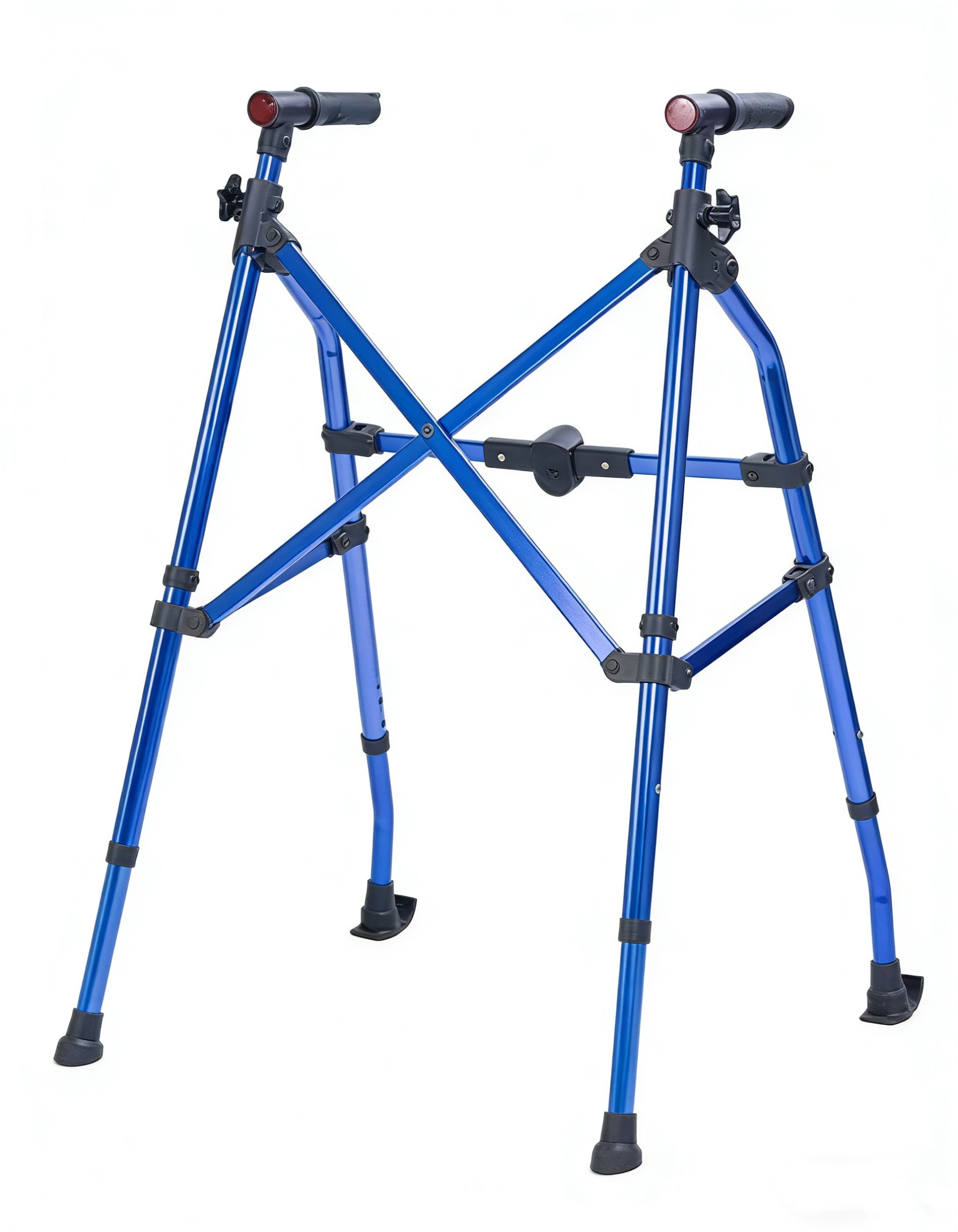
Cobblestones and cracked pavement punish a long, careless stride. The uneven gaps and raised edges ask for shorter steps, a slight bend in the knees, and eyes that read the ground two or three paces ahead. Rather than fighting the terrain, you lean into a rhythm where each footfall lands with the whole sole, not just the heel. This spreads your weight and stops the ankle from rolling on a loose stone.
Your shoes do a lot of the quiet work here. A flexible sole with a grippy, lugged pattern bites into worn cobbles and keeps you stable on smooth, polished patches. Stiff soles or narrow toe boxes take away the foot's natural ability to sense and adapt, so give your toes room to move. If you carry a pack, tighten the straps so it sits close to your back; a swinging load can throw you off balance on a tilted slab.
Cracked pavement often hides its worst edges under shadows or leaves, so slow down before you step onto an uneven section. Shift your weight gradually from one foot to the other instead of hopping or rushing across. Over time, the constant small adjustments become second nature, and you'll move through old streets with a steadier, more grounded stride.
A Handlebar That Won't Leave Your Palms Sore
The first thing you notice on long rides is how the pressure spreads across the whole grip instead of digging into the fleshy base of your thumb. The shape isn't round—it's slightly flattened on top and flared at the ends, which gives your palms a natural shelf to rest on without having to clench.
There's also a layer of vibration-damping foam under the outer skin, tuned to soak up road buzz before it travels up your wrists. Even after three hours on rough pavement, the usual tingling doesn't set in. You're not constantly shifting your hands around looking for a better spot.
The surface texture helps too. It's grippy enough when your hands are sweaty, but not so tacky that it pulls at your gloves. And because the bar is designed to work with a slightly relaxed elbow bend, your weight settles into your core rather than onto the handlebar itself.
Takes Seconds to Fold, Not a Workout
Most folding bikes demand a few minutes of fiddling, a couple of scraped knuckles, and maybe a YouTube tutorial. This one? You lift the latch, tuck the frame, and snap it shut before your coffee stops steaming. No wrestling with hinges, no lining up stubborn pins—just a simple, fluid motion that feels more like closing a suitcase than packing up a bicycle.
The design keeps the folded package compact enough to slide under a desk or into a narrow hallway closet, yet it doesn't require any upper-body strength to manage. The joints are engineered to glide rather than fight back, which means you can fold it in a crowded train station without breaking a sweat or drawing a crowd. Even after a long commute, your last thought is about the effort of folding—because there basically isn't any.
Once folded, it stays locked securely, so there's no accidental unfolding while you carry it upstairs or stash it in a car trunk. That peace of mind comes from a mechanism that's been tested more times than you'll fold it in a lifetime. It's the kind of everyday convenience that makes you wonder why every folding bike hasn't worked this way from the start.
No Tools Needed to Match Your Height
Getting your workspace to match your body usually starts with a hunt for a hex key or a screwdriver that never seems to be where you left it. This approach removes that step entirely. You can raise, lower, or tilt the surface by hand, and it locks into the position you choose. There are no bolts to secure, no tension knobs to wrestle with, and no need to keep a dedicated tool nearby.
Because the adjustment happens without hardware, switching between sitting and standing becomes a two-handed motion you can do while still holding a coffee. You can fine-tune the height several times a day without interrupting your focus. It is also a practical fit for shared desks or family workstations, where one person sets it for their frame and the next person changes it just as quickly, no borrowing or searching required.
Underneath that simple action is a mechanism designed for quiet, smooth movement over years of daily use. Fewer loose parts mean less clutter in the drawer and fewer chances to lose a tiny piece that renders the whole thing useless. If you have ever delayed adjusting a desk because it felt like a project, this turns that chore into a reflex. The right height is always within reach, no tools needed.
Reflective Details for Dusk and Dawn Walks
Dawn walks reveal how light behaves differently—not just brighter, but thinner and cooler. Dew catches on spider silk and makes invisible nets visible for a few minutes. Sounds carry further before traffic builds; a single blackbird can fill an entire street.
Dusk brings its own mirror. The last sunlight skims across surfaces almost horizontally, picking out textures on brick and bark that noon erases. Shadows stretch and soften, losing their hard edges. The air itself seems to thicken with moisture and woodsmoke.
Both times share a quality of suspension. The familiar route becomes unfamiliar because details normally missed—a gate's worn latch, a cracked paving stone holding rainwater, the way a neighbor's porch light buzzes before it fully warms—suddenly hold attention. Walking then feels less like exercise and more like reading a place closely.
FAQ
Focus on how it feels under your hands and whether the height adjusts to your natural posture. A model with a wide base or extra grip can make a real difference on uneven floors. Try it for a few minutes before deciding—comfort beats fancy features every time.
If you need to stop and rest often or carry small items, a rollator with a seat and basket gives you that freedom. Standard walkers are lighter and easier to maneuver in tight spaces, so choose based on where you'll use it most—indoors or out.
The right aid builds confidence by giving you a stable base while your muscles learn better patterns. Many people find they move more, not less, once the fear of falling fades. Over-reliance is rare when the aid is properly fitted and used as a tool, not a crutch.
A cane usually has a curved or ergonomic handle and is meant for light support on one side. A walking stick is often straighter and taller, better for trekking or rough ground. For daily balance, a cane with a comfortable grip and adjustable height is usually more practical.
Give the tips a quick look every month. If the tread is smooth or the rubber feels hard, it's time to swap them. Worn tips slide on wet floors, which defeats the whole purpose. Replacing them costs little and keeps your base stable.
Try standing on one leg for a few seconds while holding the aid with both hands, then switch. Slow heel-to-toe steps along a hallway work too. These small movements train your ankles and core, so the aid becomes less about holding you up and more about catching you if you wobble.
Indoors, you want something narrow enough to fit through doorways and light enough to turn easily—rubber tips are essential. Outdoors, look for larger wheels or a wider base to handle cracks and pavement, plus a bell or reflective strip if you walk near traffic.
A lightweight frame doesn't mean flimsy—many aluminum models are both light and sturdy. Heavier aids can feel planted but exhaust your arms over time. If you'll lift it into a car or climb stairs, the lighter option usually wins.
Conclusion
What sets this walking aid series apart is how naturally it fits into everyday life. The frames feel solid under your hands, yet there’s nothing clinical about the look; you get real support without broadcasting that you’re using a mobility device. On uneven ground—think cobblestone streets, lifted sidewalk edges, or cracked pavement—the stance stays composed and grounded, so each step feels less like a negotiation with the terrain. That confidence carries over to the handlebar, which is shaped and cushioned to spare your palms during longer outings. And when the walk is done, collapsing it takes only a second or two; it clicks into a slim profile instead of demanding a wrestling match.
Adjustability is just as thoughtful. You can fine-tune the height without hunting for tools or hardware, which means the same aid works for different shoes, different users, or simply a change in posture through the day. Small reflective accents are integrated into the frame, catching headlights and streetlights during early morning or evening walks without making the design feel utilitarian. Put it all together and it becomes easier to keep moving: the body feels steadier, the hands stay comfortable, and the routine of walking feels less like a chore. That is the real measure of better balance and confidence—not just staying upright, but wanting to go a little farther.
Contact Us
Contact Person: Frank Chan
Email: [email protected]
Tel/WhatsApp: 0086-13924529088
Website: https://www.suncare-medical.com