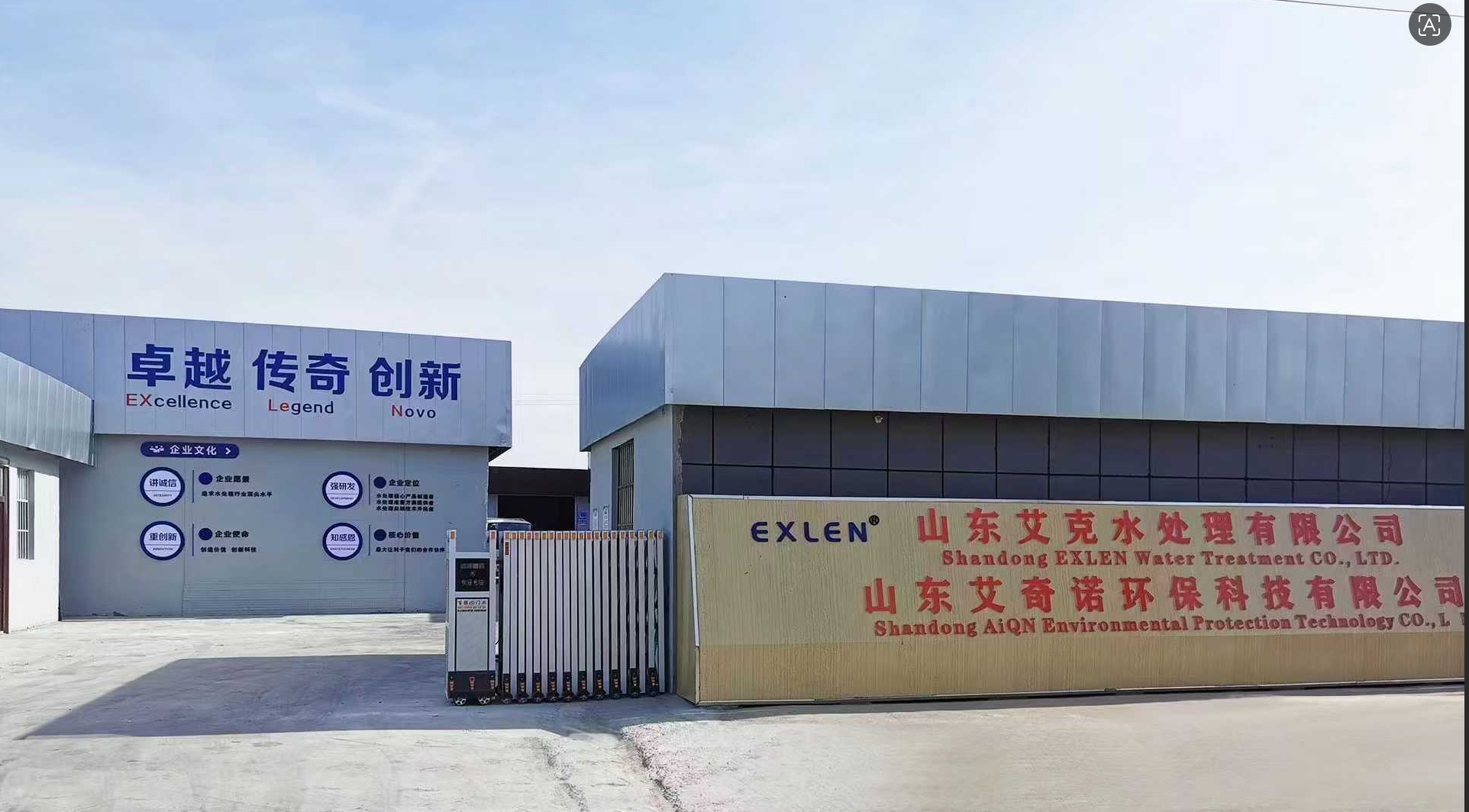

Boiler Deoxidizer Manufacturer: Your Guide to Reliable Water Treatment Solutions
2026-07-02
Keeping your boiler system free from oxygen-induced damage is a non-stop challenge. That's why selecting a knowledgeable boiler deoxidizer manufacturer makes all the difference. At EVO, we've dedicated ourselves to pioneering water treatment solutions that deliver consistent results. Ready to learn what to look for in a reliable partner? Keep reading.
The Hidden Ways Oxygen Destroys Boiler Efficiency
While dissolved oxygen is widely recognized as a primary culprit behind boiler corrosion, its destructive influence extends far beyond visible rust. Oxygen infiltrates feedwater through multiple subtle pathways—leaky seals, malfunctioning deaerators, or improperly stored chemicals—and instigates a chain of electrochemical reactions that weakens metal at a microscopic level. This process does not proceed uniformly; instead, it creates deep, localized pits that can penetrate tube walls in a fraction of the time needed for general surface corrosion. These pits often remain hidden beneath layers of seemingly intact metal, misleading routine inspections and allowing damage to reach critical thresholds without warning.
The efficiency losses triggered by oxygen corrosion are frequently mistaken for other system issues, delaying corrective action. Pitted tube surfaces disrupt heat transfer by forming insulating oxide scales, forcing the boiler to consume more fuel to maintain steam output. Simultaneously, the progressive metal loss reduces structural integrity, increasing the risk of sudden leaks that cause unplanned downtime and water loss. Even more insidious is the way corrosion byproducts circulate throughout the system, depositing in valves, traps, and sensitive control instrumentation, leading to erratic operation and premature component failure. These hidden cascading effects mean oxygen’s impact on efficiency is often underestimated until significant damage has occurred.
Conventional monitoring methods may fail to capture the full picture because oxygen levels can spike intermittently during transient conditions like load swings or start-up periods. Standard grab sampling often misses these fluctuations, lulling operators into a false sense of security. To truly guard against this silent efficiency thief, a comprehensive approach is needed that combines continuous online oxygen monitoring, vigilant inspection of deaerating equipment, and tailored chemical treatment programs that address not just oxygen elimination but also the passivation of metal surfaces against future attacks.
What Makes a Deoxidizer Actually Work Over Time
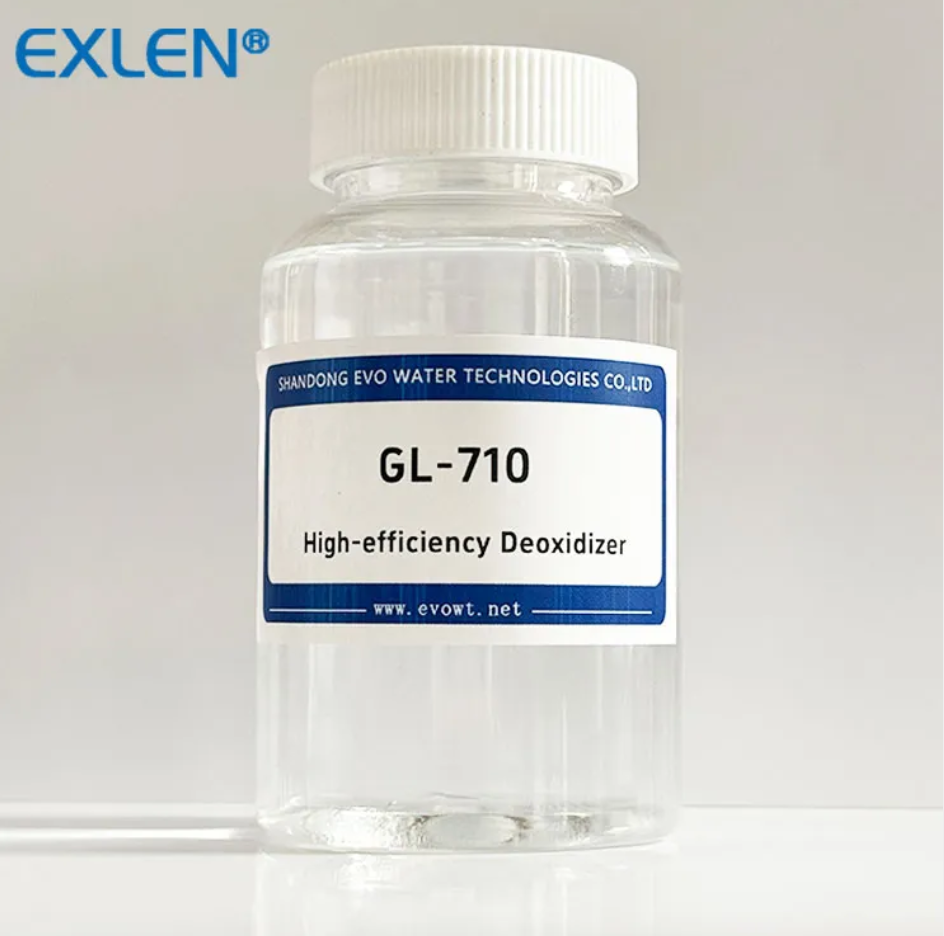
A deoxidizer's long-term performance hinges on its ability to maintain a consistently low oxygen concentration without becoming saturated too quickly. The active ingredients—often iron powder or other oxygen-scavenging compounds—must have a high surface area and be finely tuned to react at a controlled rate. If the reaction is too aggressive, the packet will exhaust itself within days, leaving products vulnerable. On the flip side, a sluggish reaction might not lower oxygen levels enough to prevent spoilage. The ideal formulation gradually consumes oxygen over weeks or months, adapting to the ingress that naturally occurs through packaging materials.
Humidity and temperature play outsized roles in sustaining this reaction. Most common oxygen absorbers need a certain moisture level to activate and keep working; too dry, and they stall. Meanwhile, temperature fluctuations can either accelerate or decelerate the reaction kinetics. A quality deoxidizer accounts for these variables through precise engineering of the reactant mixture and the permeability of its sachet. It’s not just about the initial burst of activity—it’s about maintaining a steady, dependable oxygen uptake even as conditions shift during storage and transport.
Finally, the physical design of the deoxidizer packet itself often goes overlooked, yet it directly impacts longevity. The sachet material must allow oxygen to diffuse in but prevent any dust or liquid from leaking out, while also withstanding the pressure changes that come with oxygen absorption. Over time, a poorly constructed package can swell, rupture, or block gas exchange, rendering the active ingredients useless. The best products use durable, microporous films that keep the chemistry isolated and the reaction going until the very end, ensuring that the protective atmosphere inside the package remains intact from the factory floor to the consumer’s shelf.
Decoding Chemical vs. Physical Treatment Approaches
When tackling contaminants, the choice between chemical and physical methods often hinges on the nature of the pollutant and the desired outcome. Chemical treatments, like oxidation or neutralization, fundamentally alter the substance at a molecular level—breaking it down or transforming it into something less harmful. It’s like turning a key in a lock: you’re not just moving the problem aside, you’re changing its very structure. This can be incredibly effective for dissolved toxins or pathogens that can’t be filtered out, but it demands precise control to avoid unintended byproducts.
Physical treatments, on the other hand, rely on separation or containment without altering the chemical identity of the pollutant. Methods such as sedimentation, filtration, or adsorption essentially pull the unwanted substance out of the water and trap it. Imagine using a magnet to remove iron filings from sand—the iron stays iron, just in a different place. These approaches often shine when dealing with particulate matter or when the goal is recovery of a resource. The trade-off is that the concentrated waste still needs further handling or disposal, and some dissolved contaminants slip through unaffected.
In practice, the most robust solutions often blend both worlds. A treatment train might start with physical screening to reduce the load on downstream processes, then apply chemical oxidation to polish off recalcitrant compounds. The real art lies in reading the water’s story—testing, observing, and knowing when to let simple physics do the heavy lifting versus when to deploy a chemical reaction. Neglecting this interplay can lead to inefficient systems that either over-engineer with expensive chemicals or underperform by leaving invisible threats behind.
Matching Product Grade to Your Operating Pressure
Selecting the right product grade starts with a clear understanding of your system's typical operating pressure range. While maximum ratings offer a safety ceiling, real-world performance and longevity are determined by the sustained pressure levels your equipment will encounter day in and day out. A grade designed for moderate pressure may fail prematurely under constant high stress, whereas an over-specified grade can unnecessarily inflate costs without adding practical benefit. Matching the grade to your actual working pressure ensures a balance of reliability, efficiency, and budget.
It’s also important to consider pressure spikes and transient surges that may not appear on standard operating charts. Even brief over-pressurization events can weaken materials over time, leading to cracks, leaks, or catastrophic failure. When evaluating product grades, look beyond the nominal pressure rating and examine how the material behaves under cyclic loads and temperature fluctuations. A grade that offers a small buffer above your typical operating range can absorb these irregularities without compromising integrity, extending the life of your system.
Finally, remember that operating pressure doesn’t act in isolation—it interacts with other factors like media type, temperature, and flow velocity. A grade that performs well with clean fluids at low pressure might degrade rapidly when exposed to abrasive slurries or high-velocity flows. Always cross-reference the pressure requirements with the specific application environment. In many cases, consulting the manufacturer’s pressure-temperature curves or conducting a site-specific evaluation can reveal the most suitable grade, preventing costly downtime and ensuring smooth, uninterrupted operation.
Maintenance Routines That Prevent System Failures
Many system failures stem from overlooked routine checks. Going beyond the manual, automated diagnostic scripts can scan logs for anomalies before they escalate. Pairing these with regular hardware inspections—like reseating memory modules and cleaning dust filters—catches issues that software alone might miss.
Scheduled updates often get postponed, but delaying them leaves vulnerabilities open. A disciplined patch cycle, tested in a staging environment first, keeps critical services stable. It's not just about applying updates—it's verifying that backups and failover mechanisms still work, so when a change goes wrong, rollback is painless.
Documentation is the silent guardian of uptime. Team members on call should never have to guess baseline performance or normal error thresholds. Keeping a living runbook with step-by-step recovery procedures turns panic into a calm, practiced response, drastically reducing mean time to resolution when something inevitably breaks.
When to Rely on a Manufacturer’s Technical Insight
There are moments during product development when your internal engineering team hits a wall—whether it's a persistent failure in accelerated life testing or an unexpected interaction between materials under thermal cycling. In these situations, the manufacturer's technical team often possesses a depth of specialized knowledge that goes far beyond the datasheet. They've seen similar failure modes across dozens of applications and have already refined the fixes that aren't published anywhere. Tapping into that reservoir early can prevent months of trial and error, especially when you're working with components that push the boundaries of their rated specifications.
It's not just about troubleshooting, though. When you're optimizing a design for a niche performance requirement—say, minimizing signal distortion in a high-speed backplane or achieving a specific acoustic signature in a consumer device—the manufacturer's application engineers can guide you toward parametric combinations that aren't obvious from simulation alone. They've typically built up an intuition for how their products behave at the margins, and that insight can turn a good design into a great one. The key is knowing when your problem shifts from general engineering principles to manufactuer-specific idiosyncrasies; that's the line where their insight becomes irreplaceable.
FAQ
A boiler deoxidizer removes dissolved oxygen from feedwater, preventing pitting and corrosion inside the boiler. This helps extend equipment life and keeps heat transfer efficient.
Start by checking your boiler pressure, water chemistry, and operating temperature. Low-pressure systems often work well with sulfite-based products, while high-pressure boilers may need catalyzed or volatile oxygen scavengers. A water treatment specialist can run tests to find the best match.
A specialized manufacturer brings focused expertise, tailored formulations, and consistent product quality. They often provide on-site support, lab analysis, and troubleshooting that general suppliers might not offer.
Yes. By minimizing corrosion and scaling, a well-designed deoxidizer program cuts down on blowdown frequency, chemical cleaning, and unplanned repairs. This translates to lower labor, material, and downtime expenses over time.
Watch for reddish-brown water, frequent corrosion-related leaks, or rising iron levels in your water tests. Unexplained drops in boiler efficiency can also hint that dissolved oxygen isn't being fully controlled.
Several manufacturers now offer non-toxic, biodegradable alternatives like diethylhydroxylamine (DEHA) or carbohydrazide-based products. These provide effective oxygen removal with a smaller environmental footprint compared to traditional sulfite-based treatments.
Test feedwater and boiler water regularly—at least daily in most facilities. Dosage adjustments may be needed when water quality, steam demand, or fuel type changes. A reliable supplier will help set up a monitoring schedule that fits your system.
Look for responsive troubleshooting, in-depth water analyses, and clear communication. The best partners offer training for your crew, help interpret test results, and stay involved long after the initial sale to keep your program optimized.
Conclusion
Oxygen might seem harmless, but inside a boiler system it triggers a chain of corrosion and pitting that quietly undercuts efficiency. Even minute dissolved gases can eat away at metal surfaces, forming scale and driving up fuel consumption. Understanding this hidden destruction is the first step toward protecting your investment. A deoxidizer that actually works over time does more than just scavenge oxygen—it must remain stable under high temperatures and pressures, avoid sludge formation, and not introduce corrosive byproducts. When comparing chemical scavengers like sulfite or hydrazine-based products with physical methods such as deaeration, the choice isn’t always clear-cut. Often a hybrid approach, guided by water chemistry and system design, yields the best long-term results. Knowing how these treatments behave in real-world conditions is key to a lasting solution.
Selecting the right product grade means looking beyond generic labels; a low-pressure heating boiler has vastly different requirements than a high-pressure power boiler. The wrong formulation can cause carryover, foaming, or excessive chemical costs. Beyond product selection, consistent maintenance routines form the backbone of trouble-free operation. Regular testing of oxygen residuals, checking chemical feed equipment, and monitoring condensate return lines help spot issues before they escalate. When problems do arise—fluctuating readings, sudden corrosion spikes, or unexpected downtime—it’s time to involve the manufacturer’s technical team. Their insight, drawn from countless installations, often pinpoints the root cause faster than trial-and-error. Collaborating with a knowledgeable supplier turns water treatment from a reactive chore into a proactive strategy that extends equipment life and keeps steam plants humming.
Contact Us
Contact Person: Fiona Su
Email: [email protected]
Tel/WhatsApp: 8619963724144
Website: https://www.evo-chemical.com/