

Carbon Neutral Wastewater Treatment System Supplier for Concrete Batching Plants: What You Need to Know
2026-07-25
Production efficiency and environmental responsibility don’t have to be at odds. For concrete batching plants, smart wastewater treatment can slash carbon emissions and cut costs—if you choose the right system. That’s where Sinou comes in. Let’s dive into the essentials of carbon neutral wastewater solutions.
Why Concrete Batching Plants Are Rethinking Their Water Footprint
Freshwater is becoming a strained resource in many regions, and concrete production’s heavy dependence on it has drawn sharper scrutiny. A single cubic meter of concrete can consume over 150 liters of water when batching, washing mixers, and controlling dust are all accounted for. For plants situated in water-stressed areas, this is no longer just an operational cost—it’s a direct vulnerability. As municipal supplies tighten and discharge rules stiffen, reimagining how water circulates through the facility has shifted from an afterthought to a necessity.
The rethink also stems from the rising cost of compliance. Wastewater from batching operations is loaded with high pH levels and suspended solids, which means letting it run off untreated is both environmentally reckless and legally risky. Many plants now face tighter permits that cap groundwater withdrawals and demand zero liquid discharge on site. Rather than treating water reuse as a secondary concern, forward-looking operators are embedding closed-loop systems that recover slurry, filter greywater, and drastically cut the amount of fresh water pulled from mains. This approach not only shields them from fines but often lowers hauling and treatment expenses.
Beyond regulation and cost, there is a quieter driver reshaping the conversation: community perception. Large-scale concrete operations that ignore their water impact risk losing the social license to expand or even continue. Local stakeholders, from farmers to environmental groups, are paying closer attention to who uses what from shared aquifers. Plants that visibly shrink their water footprint—through rainwater harvesting, advanced recycling, or dry-cleaning technologies—are finding it easier to negotiate land use and strengthen their reputation in the supply chain. In an industry built on permanence, safeguarding water access has become a marker of long-term thinking.
What Actually Makes a Wastewater System Carbon Neutral
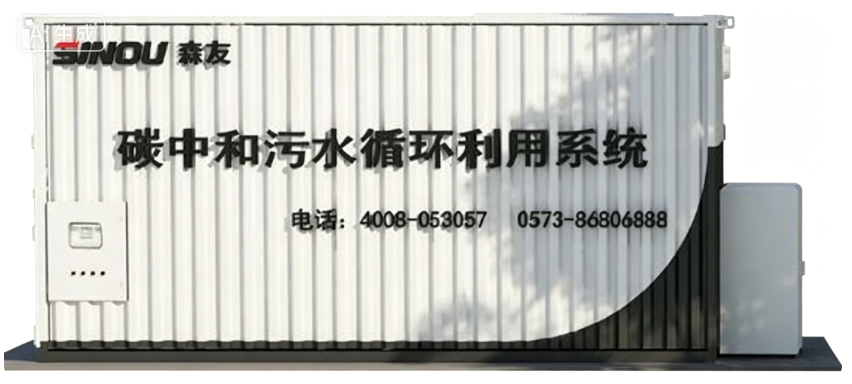
At its core, carbon neutrality in a wastewater system means balancing the greenhouse gases emitted with an equivalent amount removed or offset. This isn’t just about direct emissions from energy use—it encompasses the entire lifecycle of treatment. Methane from sludge digestion, nitrous oxide from biological processes, and even the embedded carbon in chemicals all contribute. A system becomes neutral when these releases are matched by actions like capturing biogas for energy or restoring carbon sinks through land application of biosolids.
Achieving this balance typically involves a mix of strategies. First, energy efficiency is critical—optimizing aeration, which often consumes the most power, can drastically cut the carbon footprint. Then there’s onsite renewable generation, such as converting biogas into electricity and heat. Beyond that, reducing process emissions matters, like tweaking operations to minimize N2O. Finally, resource recovery closes the loop: extracting nutrients for fertilizers or reusing treated water can displace carbon-intensive industrial products.
It’s not a one-size-fits-all equation, though. What makes a system carbon neutral depends on local conditions—the type of industry served, the climate, and even the surrounding ecosystem. Some plants might rely more on carbon sequestration in soils, while others push toward energy-positive operations. The key is that the sum of all efforts results in a net-zero impact, without simply buying offsets. It’s a continual process of measurement, reduction, and adaptation, rather than a static target.
Technologies That Turn Slurry Into a Resource, Not a Liability
For decades, livestock slurry was little more than a messy byproduct—something to store, transport, and spread on fields as cheap fertilizer, but mostly a logistical headache. The sheer volume, odor, and runoff risks made it a liability for many farms. Now, a wave of innovative processing systems is flipping that narrative. By treating slurry as a valuable input stream, these technologies extract nutrients, energy, and clean water, fundamentally changing the economics of waste management.
Mechanical separation kicks off the transformation, splitting slurry into solid and liquid fractions. The solids, rich in phosphorus and organic matter, can be composted or dried into a peat moss substitute for horticulture. The liquid portion, still loaded with nitrogen and potassium, gets further refined through advanced filtration like reverse osmosis or vacuum evaporation. These steps concentrate nutrients into a mineral-rich fertilizer that can be precisely applied, while the reclaimed water is clean enough for barn cleaning or irrigation—slashing the farm's freshwater demand.
Beyond nutrient stripping, anaerobic digestion tanks capture methane from the slurry, turning a potent greenhouse gas into biogas that fuels generators or upgrades to renewable natural gas. The residual digestate then feeds back into the separation loop, maximizing resource recovery. It's a closed-loop model where every fraction finds a purpose, transforming a costly disposal problem into a diversified revenue stream for farmers.
Questions to Ask Before Partnering With a Treatment System Supplier
Choosing the right treatment system supplier goes far beyond comparing price tags or turnaround times. It's about digging into how they handle the unexpected—whether that's a sudden shift in regulatory requirements, a raw material shortage, or a technology gap. The best partnerships are built on transparency and shared problem-solving, not just polished sales decks. Before signing anything, take time to explore their track record with situations that didn’t go as planned. Ask for real examples of how they’ve navigated compliance hurdles or adapted when a project scope changed mid-stream. Their answers will tell you far more about their reliability than any brochure ever could.
You’ll also want to press for specifics on their quality control and validation processes. How do they ensure consistency across batches, and what happens when something falls outside spec? Request documentation on their testing protocols, and ask how they handle non-conformance—both internally and with clients. Another area that’s often overlooked is long-term support. What does the relationship look like once the system is installed? Will you have a dedicated contact, or will you be routed through a call center? Clarify service-level agreements, including response times and escalation paths for critical issues. These conversations might feel uncomfortable upfront, but they’re the ones that prevent sleepless nights later on.
Operational Shifts That Come With a Closed-Loop Water System
Adopting a closed-loop water system fundamentally redefines how facilities manage their water resources. Instead of the traditional linear approach of drawing freshwater, using it once, and then discharging wastewater, everything flows in a continuous cycle. This means your operations team suddenly becomes stewards of an internal water ecosystem, monitoring quality parameters in real time and adjusting treatment steps to keep the loop healthy. You'll find that daily routines shift from simply paying water bills to actively managing a valuable on-site resource.
Maintenance patterns also evolve. With water continuously circulating, there's a heightened risk of scaling, corrosion, or biofouling if not properly controlled. Your maintenance crew will spend more time on preventive checks rather than reactive fixes. They'll track key indicators like conductivity, pH, and microbial counts, and they'll fine-tune chemical dosing or physical treatments. Over time, this proactive approach becomes second nature, reducing unplanned downtime and extending the life of equipment.
Perhaps the most profound shift is cultural. When your facility operates in a closed loop, every drop matters. Employees become more aware of waste and more innovative about reuse. You might see cross-departmental collaboration where process engineers work with treatment specialists to optimize water quality for different uses. The mindset changes from 'discharge and forget' to 'purify and recirculate,' fostering a deeper sense of environmental responsibility that often spills over into other areas of the business.
Stories From Plants That Made the Switch and What They Learned
A textile mill in North Carolina spent decades weaving synthetic fibers until shifting consumer demand pushed them toward organic cotton blends. The transition wasn't smooth—machinery had to be recalibrated, supply chains rerouted, and longtime employees retrained. What surprised leadership most was how quickly the workforce embraced the change once they understood the health benefits for their own community, where water quality had become a quiet concern.
Across the Atlantic, a family-owned olive processing plant in Spain took a gamble on solar thermal energy to power their presses. Initial skepticism from the older generation melted away when energy bills dropped by half and the consistent heat improved oil extraction yields. The real lesson, according to the plant manager, was that small-scale upgrades can cascade into unexpected operational improvements without disrupting tradition.
In Michigan, an automotive parts supplier reinvented itself to produce components for electric vehicle batteries. The pivot required shedding half their legacy product lines and investing heavily in cleanroom environments. The culture shock was real, but the plant's survival hinged on a critical insight: retraining a dedicated workforce is often smarter than starting from scratch, especially when institutional knowledge about precision manufacturing proved directly transferable.
FAQ
It uses a combination of settlement tanks and mechanical filtration to separate solids from the water. The sludge is then pressed into reusable cakes that can be incorporated back into aggregate mixes, keeping materials in circulation instead of sending them to landfill.
Beyond energy-efficient equipment, a genuine system offsets remaining operational emissions through on-site renewable generation or verified carbon credits. The goal is net-zero carbon output across the entire treatment and recycling loop, not just a reduction.
Absolutely. They include automatic pH adjustment and dosing units that respond in real time. Whether the plant is using high-alkali cement or specialty admixtures, the treatment adjusts without manual intervention, so discharge always meets local standards.
Yes, with proper management. The treated water meets the required quality for mixing fresh concrete, and many plants operate closed-loop systems that eliminate external discharge entirely. It simply requires the right settling time and monitoring to ensure consistent results.
Costs vary by plant size and local regulations, but typically the investment covers the settlement tanks, filter press, chemical dosing, and renewable energy integration. Most operators recoup the expense within three to five years through water savings, reduced disposal fees, and enhanced environmental compliance.
It’s surprisingly hands-off. Automated sensors handle most adjustments, and routine upkeep involves checking pump seals, cleaning screens, and occasionally replacing wear parts like filter cloths. A trained technician can manage several plants in a region with only a few hours per week each.
Definitely. Regulators increasingly favour plants that demonstrate zero liquid discharge and pollution prevention. Having a fully documented, carbon-neutral water cycle simplifies permit renewals and can even reduce monitoring frequency and fees.
Conclusion
Concrete batching plants are increasingly scrutinizing their water usage, driven by tightening environmental regulations and a genuine push to lower operating costs. Traditional wastewater from truck washout and slurry containment often ends up in settling ponds, consuming space and requiring periodic costly cleanouts. A carbon neutral treatment system changes this equation by recovering water for reuse and processing solids into reusable materials, all while balancing or offsetting the energy used in treatment. This shift isn't just about compliance—it reflects a deeper recognition that water and aggregate recovery can fundamentally alter a plant's resource efficiency.
When evaluating suppliers, look beyond glossy sustainability claims. Ask how the system actually achieves neutrality: some rely on renewable energy to power filtration and dewatering, others use advanced flocculants that reduce processing energy. The right partner will show you working installations and explain the operational shifts needed—from training batch operators to tweaking mix designs for recycled water compatibility. Real-world stories from plants that have made the transition highlight a common theme: early teething issues with slurry management give way to significant reductions in freshwater intake and waste disposal fees, often within the first year.
Contact Us
Contact Person: HaiYan
Email: [email protected]
Tel/WhatsApp: +86 18957325588
Website: https://www.senyoubeton.com/