

Chamber Filter Press Manufacturer Insights: Optimizing Solid-Liquid Separation
2026-07-31
When it comes to efficient solid-liquid separation, not all chamber filter presses are built the same. Behind every reliable system is a manufacturer that understands your process challenges—and Sinou is redefining what that partnership looks like. In this post, we unpack practical insights that can help you optimize filtration performance, reduce downtime, and future-proof your operations.
A Look Inside the Chamber Filter Press: Mechanics and Design Choices
At the heart of a chamber filter press lies a series of recessed plates arranged face-to-face to form individual filtration chambers. Slurry is fed under pressure into these chambers, where solids accumulate on the filter cloths while the liquid passes through and exits via collection channels. The closing mechanism, often hydraulic, applies even pressure to keep the plate stack sealed tight during operation, preventing leakage and ensuring consistent cake formation.
Design choices heavily influence performance and maintenance. Plate materials range from polypropylene for chemical resistance to cast iron for high-temperature applications. Chamber depth, feed port location, and cloth selection all affect filtration efficiency, cake dryness, and cycle times. Some designs incorporate membrane plates that introduce a flexible diaphragm for secondary compression, squeezing additional moisture from the cake without extending filtration time.
Operators weigh trade-offs between cake thickness, cycle duration, and wash requirements. Deeper chambers handle larger batches but may slow filtration, while thinner cakes often yield shorter cycles and easier discharge. The layout of the hydraulic system and plate-shifting mechanisms also impacts automation possibilities. Over time, routine cloth inspection and plate alignment checks become essential to maintain sealing integrity and avoid uneven cake buildup, showing how mechanical design directly shapes daily reliability.
Making Sense of Filter Cloth Selection: Material, Weave, and Fit
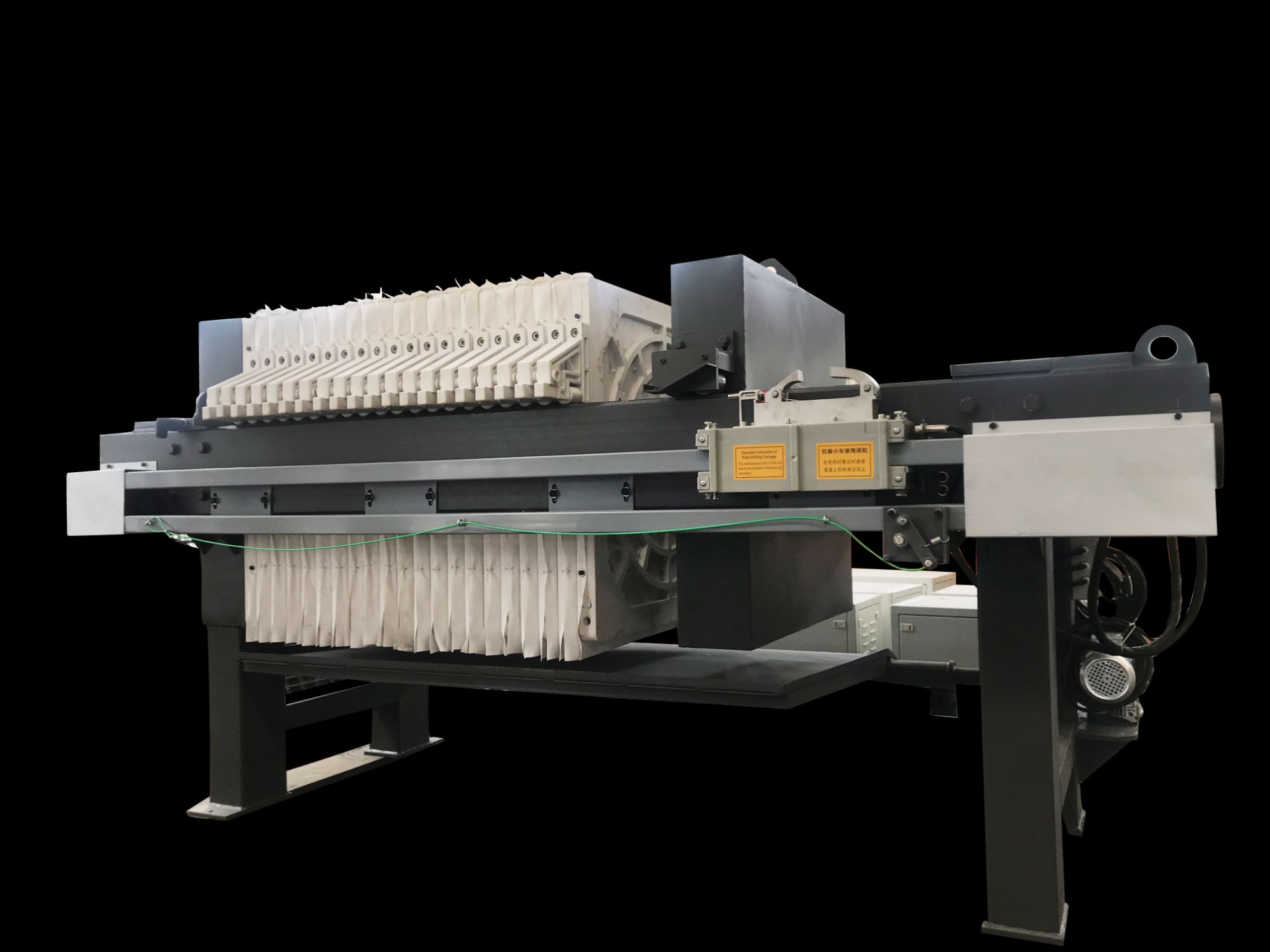
Choosing the right filter cloth isn't just about grabbing the first synthetic fabric off the shelf. It starts with the material itself—polyester, polypropylene, nylon, and specialty fibers each have distinct chemical and thermal limits. Polyester, for instance, handles dry heat well but wilts in strong alkaline conditions, while polypropylene shrugs off aggressive acids but softens at lower temperatures. The real trick is matching the polymer to your slurry's pH and temperature without over-engineering, otherwise you're paying for chemical resistance you'll never need.
Weave pattern is where filtration performance gets dialed in. A plain weave gives you tight particle retention but can blind rapidly with sticky solids, whereas a twill weave offers better cake release and higher throughput. Satin weaves, with their long floats, are the go-to for sticky, gelatinous materials that would otherwise clog a filter in minutes. Too often, operators focus solely on micron rating and ignore how the weave's surface texture affects cake formation—smooth finishes release easier, but a slight nap can capture fine particles that would otherwise slip through.
Fit might be the most overlooked variable, yet a poorly fitted cloth can undo the best material and weave choices. A cloth that's too small tears under tension; too large, and creases form, creating bypass channels that let unfiltered slurry sneak around the edges. Good fit means accounting for the filter's clamping mechanism, the expected pressure drop, and the stretch characteristics of the fabric under load. Sometimes a custom-fabricated cloth costs a fraction of the downtime and product loss caused by a generic "close enough" size.
Extending the Life of Your Press: Practical Maintenance Routines
Regular upkeep often gets pushed aside when production demands spike, yet it's the single most effective way to stretch the life of your press. Start with daily wipe-downs of critical surfaces—ink fountains, rollers, and grippers—using manufacturer-approved cleaners. Build a weekly check for air filters and lubrication points; a dry bearing can seize without warning, costing you hours of downtime. These small habits, when turned into non-negotiable routines, prevent the kind of wear that quietly eats away at precision.
One overlooked area is the logging of subtle changes. Keep a simple notebook near the machine where operators jot down unusual sounds, slightly long makeready times, or a drop in print clarity. Over weeks, these notes reveal patterns—like a feeder that's gradually falling out of sync—long before they become breakdowns. Pair this with monthly inspections of belts and chains for proper tension, and you'll catch the kind of drift that factory manuals rarely mention but experienced hands learn to respect.
Finally, don't let consumables run on autopilot. Dampening solution that's not refreshed regularly introduces contaminants, while aging rollers lose their durometer, affecting ink transfer in subtle ways. Schedule flush-outs and roller checks based on your actual run volumes, not just calendar dates. When your press consistently delivers sharp registration and clean solids, you're not just maintaining equipment—you're protecting the craft that keeps your shop ahead of the curve.
Smart Controls and Automation: When Simple Changes Make a Difference
There's a quiet revolution happening in spaces that once ran purely on manual switches and guesswork. A small tweak—like scheduling lights to dim after hours or having blinds adjust with the sun—can reshape a room's entire rhythm without anyone needing to touch a panel. It's less about the tech flex and more about the effortless comfort that settles in when a building starts anticipating needs.
What makes these shifts so potent is their invisibility. Motion sensors in corridors mean lights flicker on only when someone passes, shaving down electricity bills in the background. Thermostats synced to local weather reports pre-cool a conference room just before a heatwave hits. These aren't headline-grabbing overhauls; they're subtle nudges that fuse into daily life, making spaces feel more responsive and, somehow, more human.
The real difference sits in the details that are easy to miss. A smart plug that kills standby power to idle coffee machines. Humidity triggers that prevent mold before it starts. When automation fits so naturally into the cracks of a day, you stop noticing it's there—and that's the whole point.
Troubleshooting Solids Carryover and Cake Moisture Issues
Solids carryover and excessive cake moisture often stem from subtle shifts in process conditions that go unnoticed until downstream complications arise. When wash rates fall below optimal thresholds, particles fail to separate cleanly, and moisture clings to the cake. Adjusting wash ratios and monitoring differential pressure can often resolve these issues before they escalate.
The physical condition of filtration media plays a decisive role—blinding, uneven wear, or improper tension can all disrupt cake formation and lead to wetter discharge. Regular inspection routines that include checking for media damage and verifying seal integrity prevent the kind of gradual performance drift that operators sometimes mistake for feedstock variability.
Process control deserves as much attention as mechanical factors. Small deviations in feed slurry concentration or temperature can cascade into significant carryover problems. Establishing baseline data for normal operation and training teams to recognize early warning signs—like changes in filtrate clarity or unexpected vacuums—creates a proactive stance that keeps moisture levels within specification without constant manual intervention.
The Push for Energy Efficiency and Water Reuse in Filtration
Operators of municipal and industrial filtration systems are increasingly scrutinizing their energy footprints. Once viewed as a fixed operational cost, power consumption is now a key performance metric, driving a shift toward low-pressure membranes, variable frequency drives, and gravity-based process designs. In some plants, simple adjustments like recalibrating backwash cycles or switching to more efficient air scour routines have cut energy use by double-digit percentages without compromising filtrate quality. These incremental gains add up, fundamentally reshaping how facilities justify capital upgrades and benchmark performance against sustainability targets.
The conversation around water reuse has matured beyond water-scarce regions. Industrial plants are closing the loop internally, treating process water to a quality that allows multiple cycles of reuse before discharge. Advanced oxidation, ceramic membranes, and tailored pretreatment steps now make it feasible to reclaim complex wastewaters like those from food and beverage or textile operations. This isn’t just about conservation—it sidesteps rising intake fees and tightens control over supply chains by reducing reliance on external water sources that are increasingly subject to regulatory or climatic uncertainty.
Integrating energy recovery with membrane filtration adds another layer of efficiency. Pressure exchangers and turbochargers, long used in seawater reverse osmosis, are finding their way into brackish water and tertiary treatment applications. Paired with smart monitoring that adjusts operating parameters in real time, these systems dynamically balance energy input with output quality. The result is a filtration landscape where waste streams are no longer seen as liabilities but as resources that can offset both thermal and electrical demands, pushing the entire sector toward a more circular operational model.
FAQ
Look beyond just the equipment specs. A reliable manufacturer should offer material options tailored to your slurry, provide detailed lab testing, and have a track record in your specific industry. Don't overlook after-sales support and spare parts availability.
Plate design directly influences cake formation and discharge. Recessed chamber plates with the right depth and drainage surface ensure even pressure distribution and quicker cycles. For sticky cakes, consider membrane squeeze plates to reduce residual moisture.
Yes, but you need to be careful. The cloth type, plate material, and operating pressure must match each slurry's characteristics. Using the wrong combination can lead to poor separation or cloth blinding. Always run pilot tests when switching materials.
Often it's inconsistent slurry conditioning, incorrect cloth selection, or rushing the filtration cycle. Another issue is not allowing enough time for air drying if low moisture is critical. Regular maintenance of hydraulic systems and plate alignment is also frequently overlooked.
Optimize your pre-treatment steps to improve filterability, which shortens cycle times. Use durable, reusable filter cloths and implement a proper cleaning routine. Also, automation features like auto plate shifters can cut labor costs significantly.
It depends on your process. If your slurry has unique properties or you face space constraints, a custom solution often pays off in the long run. Standard models work well for common applications but may require compromise on throughput or cake dryness.
Keep an eye on cloth condition and replace before blinding causes uneven pressure. Regularly check plate seals and hydraulic oil levels. Also, ensure the feed pump is calibrated correctly—overpressure can damage plates and lead to costly downtime.
If you're experiencing longer cycle times, higher moisture content in the cake, or frequent cloth replacements, it might be time. Increased maintenance costs or inability to meet new throughput demands are clear signals that an upgrade or replacement is worth considering.
Conclusion
A chamber filter press’s ability to deliver consistent solid-liquid separation rests on thoughtful engineering and operational choices. The heart of the system lies in its plate design and closure mechanics—recessed chambers with uniform feed distribution reduce localized pressure drops, while rigid hydraulic clamping prevents leakage during high-pressure cycles. Filter cloth selection directly shapes performance: monofilament weaves release cake more easily, but tighter multifilament fabrics may be needed for fine particles, and a proper fit with sealed edges prevents bypass. Overlooking routine tasks like inspecting plate surfaces for wear, checking cloth tension, and cleaning drip trays inevitably leads to unexpected outages. Manufacturers see too many presses run to failure when simple weekly walkthroughs would catch misalignment or pinholes in cloths before they escalate into process upsets or filtrate contamination.
Automation isn’t just about data dashboards—it’s about giving operators tools that adapt cycles to shifting feed solids without constant manual tweaks. Pairing feed pump VFDs with pressure feedback can flatten filtration curves and cut blinding. When troubleshooting wet cakes or solids in the filtrate, resist the urge to simply increase cycle time; instead, check if the feed slurry viscosity changed or if precoat application became uneven. Small adjustments, like optimizing squeeze pressure timing or replacing worn cloth gaskets, often resolve moisture problems more effectively than brute force. The broader push for efficiency ties into these everyday decisions: recirculating filtrate for cloth washing or deploying energy-efficient diaphragm pumps not only lowers utility spend but makes water reuse feasible, closing the loop in water-sensitive operations. Effective solid-liquid separation, as any seasoned manufacturer will tell you, comes from understanding how every component—mechanical, consumable, and control logic—works as a single, tuned system.
Contact Us
Contact Person: HaiYan
Email: [email protected]
Tel/WhatsApp: +86 18957325588
Website: https://www.senyoubeton.com/