

Custom Sandpaper Jumbo Rolls: Your Guide to Bulk Abrasive Solutions
2026-09-14
Stop forcing standard sandpaper rolls into applications they were never designed for. Whether you're feeding a wide-belt sander or converting abrasive sheets at scale, custom jumbo rolls from SHENZHEN SUN ABRASIVES give you control over grit, backing, and width — without the wait or waste of off-the-shelf compromises. Read on to see how tailored bulk abrasives can cut downtime and cost per part.
Sizing and Grit Options That Actually Match Your Job
Many people grab sandpaper based on the word "medium" or "fine" on the pack, then wonder why the job takes forever or leaves deep scratches. The truth is, both sheet size and grit should follow the task, not habit. For stripping old paint off furniture, start with 60 or 80 grit to cut through layers fast, move to 120 for an even base, and finish with 180 or 220. When hand-sanding curved or tight spots, a 5-inch disc or a quarter sheet folded into a pad gives far better control than a full sheet flapping around. For large flat surfaces, use half or full sheets wrapped around a hard block to avoid rounding edges.
Some jobs punish you for using the wrong grit more than others. Removing rust from steel or dressing welds with fine paper is a waste of time—80 to 120 grit on an angle grinder with a fibre disc or sanding pad cuts fast and leaves a surface ready for primer. In auto body work, feathering paint edges often demands a two-step jump: 80 grit to strip, then 180 to feather, with a wet 120 pass in between so the transition stays smooth and invisible. Disc size matters too; 5-inch and 6-inch hook-and-loop discs cover most grinders, but keep a roll of tearable sandpaper for corners and edges where a disc simply won't reach.
Tool speed and pressure change how grit performs, so don't ignore them. A high-speed orbital sander can glaze fine grit paper in seconds, especially on soft paint or primer, while hand sanding with too coarse a grit leaves furrows that show through the finish. A practical rule is to step up one grit grade at a time—60 to 80 to 120 to 180 to 220—instead of leaping from 60 straight to 220. Each pass removes the scratches from the previous one, leaving a uniform surface that needs less filler or polish. For sizing, buying full sheets and cutting them yourself usually beats pre-cut packs if your work varies between large panels and small curved parts, because you can shape the paper to the job instead of forcing the job to fit the paper.
Backing Materials Worth Knowing Before You Buy
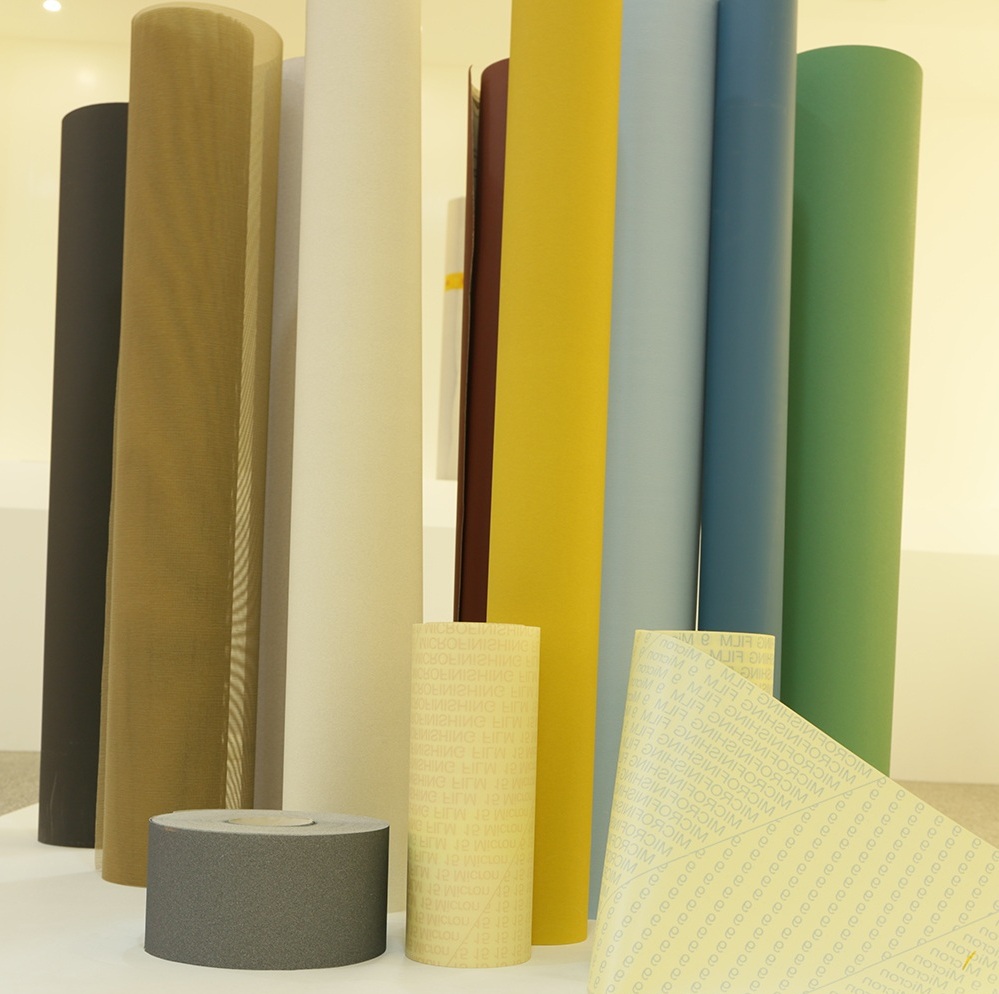
Most buyers fixate on fiber and pile height, but the backing quietly dictates how a rug or carpet behaves underfoot and over time. Woven polypropylene backings are the standard for wall-to-wall carpet because they resist moisture, mildew, and stretching, which makes them a safe bet for basements and high-humidity rooms. Felt backings, often made from recycled fibers, add a cushioned feel and help dampen sound, but they can hold onto spills longer than a synthetic alternative. If you are eyeing an area rug for a hard floor, check whether the backing is jute or a synthetic mesh; jute is natural and grippy, yet it sheds fine dust and may need a pad beneath it.
Latex and urethane backings show up on lower-cost rugs and some carpet tiles. They bind the fibers well and keep edges from unraveling, but low-grade latex can dry out and crumble after a few years, leaving a gritty residue on the floor. For high-traffic entries or kids' rooms, a dense action-bac or polyurethane backing tends to survive repeated vacuuming better than a thin felt layer. Before buying, flip the corner and rub the backing between your fingers: a crumbly or powdery feel signals a short lifespan, while a tight, uniform weave usually means the manufacturer paid attention where it counts.
Custom Widths and Lengths Without the Guesswork
Measuring for custom sizes often feels like a shot in the dark, but it doesn't have to be. Instead of relying on standard charts that force you to round up or down, you can enter the exact width and length you need and see the result instantly. No more taping together scraps of paper or hoping that "close enough" will work when the material arrives.
The real difference comes from how the numbers translate into the final product. Every fraction matters, especially for tight spaces or layered designs. By working with precise input fields that accept decimal points and odd measurements, you skip the back-and-forth of clarifying "Did you mean 48 inches, or 48 and a quarter?" That clarity saves time and prevents expensive mistakes.
You also gain confidence when the interface updates the preview as you type. If the layout shifts unexpectedly or the proportions feel off, you'll notice immediately rather than after unpacking the shipment. It turns customization from a guessing game into a straightforward choice, letting you focus on the details that matter most.
How to Choose Between Aluminum Oxide, Zirconia, and Ceramic
Selecting the right abrasive or ceramic material often comes down to matching hardness, toughness, and cost to the specific task. Aluminum oxide is the workhorse: it's economical, has good friability (meaning it breaks down to expose fresh cutting edges), and handles most ferrous metals, wood, and general grinding jobs. Zirconia alumina is tougher and more durable, with a self-sharpening grain that resists heat and lasts much longer on stainless steel, high-tensile alloys, and heavy stock removal. Pure ceramic (often sol-gel alumina) is the premium option: it stays sharp longer under high pressure, generates less heat, and excels on hard-to-grind materials like titanium, Inconel, and tool steels, though it comes at a higher upfront price.
Start by asking what you're grinding and under what conditions. For occasional, low-pressure work or soft metals, aluminum oxide is often sufficient and keeps costs low. If you're working with stainless steel or need to remove material quickly without frequent disc changes, zirconia is the practical middle ground. Reserve ceramic for production environments, high-pressure grinding, or heat-sensitive alloys where longer life and cooler cutting justify the investment. Also consider the backing and bond type—hard wheels can glaze with tough grains, so zirconia and ceramic often pair best with flexible backings or open-coat designs.
A useful rule of thumb: match the abrasive's fracture characteristics to your application. Aluminum oxide fractures relatively easily, creating new edges but wearing faster; zirconia fractures in a controlled manner, balancing life and cut rate; ceramic grains micro-fracture at the nano level, maintaining an extremely sharp edge for the longest time. If you're unsure, buy a small quantity of each and test on your typical material—real-world performance often trumps spec sheets. In many shops, a mix of aluminum oxide for general work and zirconia or ceramic for demanding jobs provides the best balance of cost and productivity.
Bulk Ordering Tips to Avoid Downtime and Waste
A surprising amount of downtime starts with a simple miscalculation: someone looks at last month's usage and assumes the next few months will behave the same way. Instead of relying on gut feel, pull at least six to twelve months of actual consumption data for each item you order in bulk. Break it down by week or production cycle so you can spot spikes that line up with seasonal demand, maintenance schedules, or even supplier lead time changes. That way you're not just buying more to be safe—you're buying the right amount at the right interval.
Another overlooked area is storage and handling before the stock ever reaches the floor. Bulk orders often arrive all at once, and if the receiving team isn't ready, boxes get shoved into temperature swings, stacked past safe limits, or buried behind older inventory. Label everything with a clear first-in, first-out date and assign a single person to check that incoming pallets match the order before they enter the warehouse. A ten-minute inspection on arrival prevents hours of scrambling later when a machine sits idle because the part you thought you had is actually damaged or misplaced.
Finally, build a reorder trigger that's based on lead time plus a buffer, not just a low-stock alert. If your supplier takes nine business days to deliver and your team uses about fourteen units a day, place the next order when you hit roughly nine days' worth of inventory plus a two-day cushion—not when the shelf is nearly empty. Review those buffers every quarter, because supplier reliability and internal demand both drift. This keeps cash from being tied up in excessive stock while also keeping the line moving.
Real-World Uses for Jumbo Rolls in Shops and Production Lines
In busy retail shops, jumbo rolls are the quiet workhorses behind the counter. Butcheries pull lengths of freezer paper to wrap fresh cuts, while florists rely on wide kraft rolls to protect bouquets during transport. Gift shops and boutique clothing stores use colored jumbo tissue or newsprint to create that satisfying crinkle at the point of sale. What makes them indispensable is not just the volume—one roll can outlast dozens of standard sizes—but the flexibility to cut exactly the length a task requires, reducing waste and keeping counters from overflowing with half-empty smaller rolls.
On production lines, these oversized rolls shift from convenience to necessity. Printers and converters feed continuous webs of label stock, masking film, or foil into machines that cut, fold, or laminate at high speed. A single jumbo roll can keep a packaging line running for an entire shift without stoppage, which is why changeover time drops dramatically. In food processing, wide parchment or silicone-coated paper rolls line baking trays and conveyor belts, handling heat and grease while allowing workers to tear off sections without slowing the line. The real advantage is rhythmic: the fewer times a machine stops to reload, the more consistent the output becomes.
FAQ
They are large master rolls of abrasive material that can be tailored in width, length, grit, backing, and coating to fit specific production needs. Unlike off-the-shelf rolls, custom options let you match the exact dimensions and performance characteristics of your sanding equipment or workflow, reducing waste and setup time.
Furniture and woodworking shops, metal fabrication, automotive refinishing, flooring, and composite manufacturing all see strong advantages. Bulk rolls allow continuous sanding runs for wide-belt sanders, drum sanders, or hand-cutting stations without frequent roll changes, keeping labor costs down and output consistent.
Start with your substrate and finish target. Coarse grits like 24-60 remove heavy stock or old coatings; medium grits 80-120 level surfaces and blend scratches; fine grits 150-220 prepare for finishing; very fine 240-600 can refine between coats. Running a small test roll before committing to a full jumbo order helps lock in the sweet spot.
Pay attention to backing type (paper, cloth, film, or combination), abrasive mineral (aluminum oxide, silicon carbide, ceramic, zirconia), coating density (open or closed), bond system, and special treatments like anti-clogging, anti-static, or water resistance. You can also request perforations, slitting lines, or pre-scored edges to speed up converting.
Keep rolls in their original packaging until use, store them flat or on proper cradles to avoid flat spots, and maintain a cool, dry area away from direct sunlight and humidity swings. Let rolls acclimate to shop temperature for 24 hours before mounting to prevent backing distortion.
Because you buy only the width and length your process actually uses, there is less trim waste. Custom rolls can also be matched to the optimal abrasive life for your substrate, so you replace rolls less often and avoid downtime. Buying in bulk usually lowers the per-square-foot price and locks in supply for long production runs.
Ask about minimum order quantities, lead times, available abrasive minerals and backings, tolerances on width and splice-free lengths, and whether they can provide a sample roll or lab test data. Also clarify packaging specs, shipping weight limits, and return or replacement policies for defective material.
Conclusion
Getting the right custom sandpaper jumbo roll comes down to matching the grit and backing to what you're actually sanding. Too coarse a grit on soft wood just tears it up, while fine grit on metal barely makes a dent. Paper backings flex well for contoured work, but cloth holds up better when you're leaning into a stroke or running a wide belt. Film backings split the difference and resist tearing when wet. And don't overlook custom slit widths—buying a wider roll and having it cut to your exact machine specs saves money and eliminates the messy trimming that happens when stock sizes don't line up.
The abrasive choice matters more than most people think. Aluminum oxide is the everyday workhorse for wood and general metal, but it dulls fast on hardened steel. Zirconia has a self-sharpening edge that handles heavy stock removal and grinding welds, while ceramic runs cooler and lasts longer under constant pressure—worth the extra cost if you're feeding a production line. For bulk orders, check your actual consumption rate before placing a big order; overstock ties up cash and takes up floor space, but running out mid-job is worse. Keep a buffer of your most-used grits and order odd sizes only when you've confirmed the specs. Shops doing bodywork, furniture repair, or metal fab all burn through these rolls differently, so tailor the width, length, and abrasive mix to the jobs that actually repeat in your shop rather than copying someone else's spec sheet.
Contact Us
Contact Person: Amanda Wang
Email: [email protected]
Tel/WhatsApp: +86-13602569854
Website: https://www.sunabrasives.com.cn