
Custom Solar Ground Mounting Systems: The Key to Efficient Renewable Energy Projects
2026-02-01
In the race towards a sustainable future, renewable energy projects are at the forefront—but their success often hinges on the details. While solar panels capture the spotlight, the unsung hero beneath them—custom ground mounting systems—holds the key to unlocking maximum efficiency and durability. At Energet Solar, we've seen firsthand how tailored solutions can transform installations into powerhouse assets, adapting seamlessly to challenging terrains and weather conditions. In this blog, we'll explore why custom ground mounting isn't just an add-on; it's a game-changer for projects aiming to thrive long-term. Get ready to discover how innovative designs can boost energy output, cut costs, and elevate your renewable initiatives from good to exceptional.
Tailoring Foundations: How Custom Solar Mounts Adapt to Unique Terrains
Custom solar mounts are engineered to address the specific challenges posed by diverse landscapes, ensuring optimal energy capture regardless of ground conditions. Unlike standard systems that often rely on rigid designs, these tailored solutions can adjust to slopes, soil types, and obstacles, enhancing both stability and efficiency. By analyzing site-specific factors, installers create mounts that seamlessly integrate with the environment, reducing the need for extensive land preparation and minimizing environmental impact. This adaptability makes solar power viable in areas previously deemed unsuitable, expanding renewable energy access globally.
The design process for custom mounts involves detailed terrain mapping and material selection to withstand local weather patterns and geological stresses. For instance, rocky or uneven terrain might call for specialized anchoring systems, while soft soil could require deeper foundations or reinforced supports. Engineers use advanced software to simulate various scenarios, ensuring durability and long-term performance without compromising aesthetics. This proactive approach not only secures the installation but also reduces maintenance costs over the system's lifespan, making it a cost-effective choice in the long run.
Ultimately, custom solar mounts exemplify innovation in renewable energy infrastructure, transforming unique terrains from barriers into opportunities. By fostering resilient installations that blend with their surroundings, they support sustainable development goals and empower communities with reliable power sources. As technology advances, these tailored solutions continue to evolve, offering smarter, more efficient ways to harness solar energy across the globe.
Boosting Energy Yield: The Role of Precision Ground Mounts in Solar Efficiency
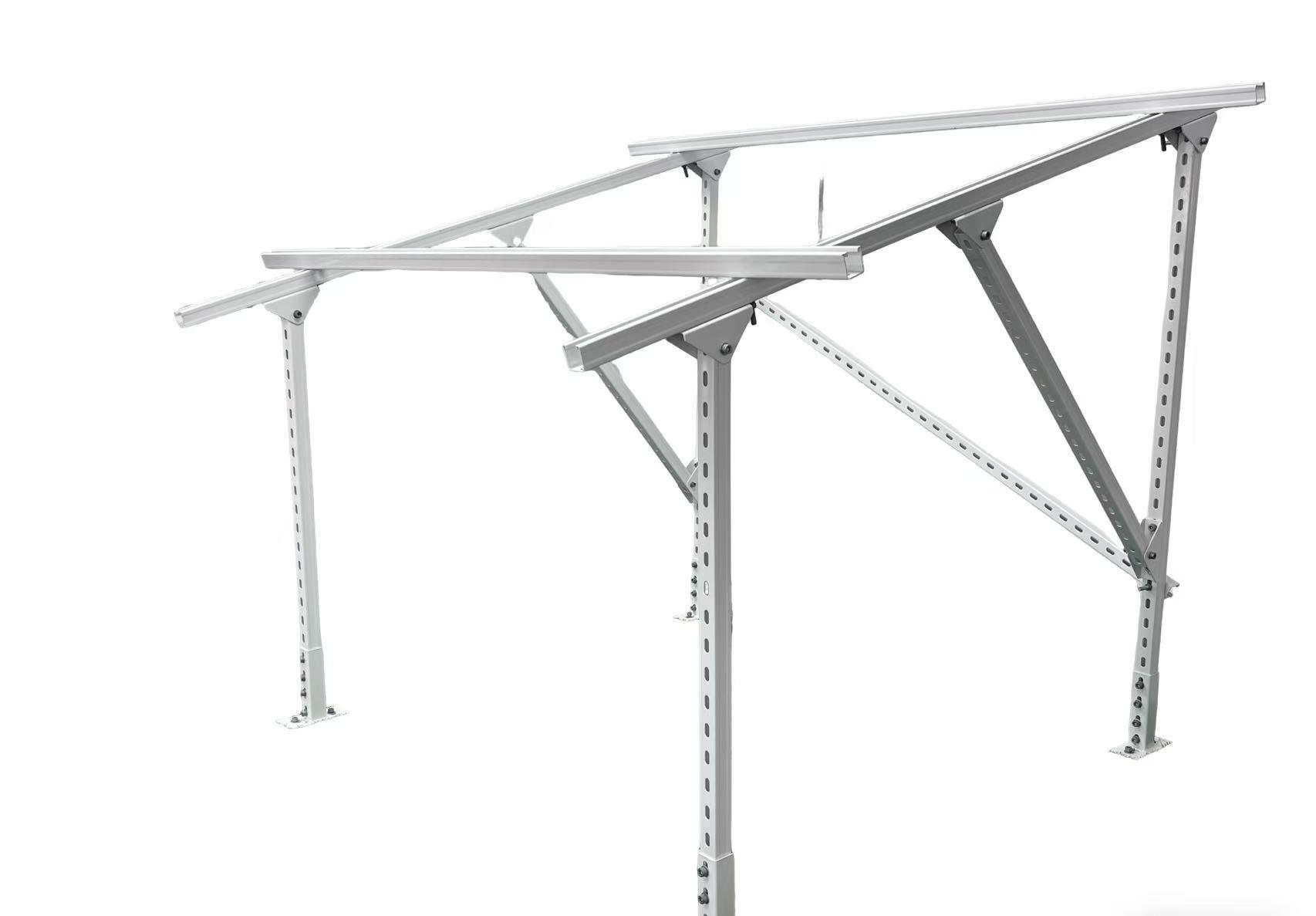
Precision ground mounts are revolutionizing solar energy production by offering highly adjustable support structures that optimize panel alignment with the sun. Unlike traditional fixed mounts, these systems allow for fine-tuning tilt angles and orientations, capturing significantly more sunlight throughout the day and across seasons. This adaptability minimizes shading and ensures each panel operates at peak efficiency, directly translating to higher energy yields and faster returns on investment for solar projects.
The engineering behind precision ground mounts focuses on durability and flexibility, using advanced materials and designs that withstand harsh weather while maintaining precise positioning. By reducing mechanical stress and improving load distribution, these mounts extend the lifespan of solar panels and reduce maintenance costs. Their modular nature also makes installation quicker and more scalable, supporting everything from small community setups to large utility-scale farms.
As solar technology evolves, precision ground mounts are becoming a key differentiator in competitive markets, enabling projects to exceed standard performance benchmarks. Their role in boosting efficiency not only enhances economic viability but also contributes to broader renewable energy goals by maximizing output from available land. This makes them an essential tool for anyone aiming to get the most out of their solar investments.
Design Flexibility: Crafting Mounting Systems for Varied Panel Layouts
In the world of solar installations, one size rarely fits all. That’s where design flexibility in mounting systems becomes a game-changer, allowing installers to adapt to diverse roof shapes, panel types, and spatial constraints without compromising efficiency or aesthetics. By offering modular components and adjustable angles, these systems empower creators to craft setups that seamlessly blend with architectural nuances—whether it’s a slanted residential rooftop or a sprawling commercial array.
Imagine a scenario where traditional rigid racks fall short on irregular surfaces. Flexible mounting solutions step in, enabling custom configurations that maximize sunlight capture while minimizing waste. This adaptability not only boosts energy output but also reduces installation headaches, making projects more scalable and cost-effective. It’s like having a toolkit that evolves with every new challenge, ensuring panels sit perfectly aligned no matter the layout.
Beyond functionality, this approach fosters innovation in design. From curved arrays that follow a building’s contours to hybrid setups mixing panel sizes, flexible systems encourage experimentation. They turn limitations into opportunities, proving that with the right support, solar energy can thrive anywhere. After all, the best installations are those that look like they were always meant to be there—effortless and integral to the landscape.
Durability Matters: Long-Term Performance with Robust Ground Mounts
In the world of solar installations, ground mounts often face the brunt of environmental challenges. Robust ground mounts aren't just about withstanding a few storms; they're engineered for decades of reliable service. By using high-grade materials like galvanized steel or aluminum, these systems resist corrosion and structural fatigue, ensuring your solar array stays productive through harsh winters and scorching summers without constant maintenance.
What sets truly durable ground mounts apart is their adaptive design. Instead of a one-size-fits-all approach, leading solutions incorporate site-specific considerations, such as soil composition and wind loads. This customization prevents issues like shifting or settling over time, which can compromise panel alignment and energy output. It's this attention to detail that translates to consistent performance, protecting your investment long after the initial installation.
Beyond mere sturdiness, robust mounts contribute to overall system longevity by minimizing stress on solar panels. Advanced mounting techniques, like flexible racking or vibration-dampening features, help absorb shocks from weather events, reducing wear and tear on the panels themselves. This holistic approach not only extends the lifespan of your solar setup but also enhances safety and reliability, making it a critical factor for anyone prioritizing sustainable energy solutions.
Streamlining Installation: Simplifying Set-Up for Faster Project Turnarounds
Getting a project off the ground quickly often hinges on how smoothly the initial installation process goes. By streamlining installation, teams can bypass common roadblocks like complex dependencies, lengthy configurations, or compatibility issues that traditionally slow down set-up. This approach focuses on minimizing manual steps and automating repetitive tasks, allowing developers to dive right into core work without getting bogged down by tedious preliminaries.
Imagine a scenario where setting up a new environment takes minutes instead of hours—this isn't just about speed; it's about enhancing productivity and reducing frustration. Simplified installation often involves intuitive tools, clear documentation, and pre-configured templates that adapt to various project needs. By prioritizing ease of use, we not only accelerate turnarounds but also foster a more seamless experience that keeps teams motivated and focused on innovation from day one.
In practice, streamlining might mean offering one-click installers, cloud-based deployments, or modular components that integrate effortlessly. This reduces the learning curve for newcomers and ensures consistency across different setups, leading to fewer errors and faster iterations. Ultimately, a simplified set-up process is a strategic investment that pays dividends in project agility, enabling quicker testing, deployment, and adaptation to changing requirements without compromising quality.
Sustainable Solutions: Integrating Custom Mounts into Eco-Friendly Energy Plans
In the realm of eco-friendly energy solutions, custom mounts are emerging as a critical yet often overlooked component. Unlike off-the-shelf hardware, these tailored fixtures are designed specifically to fit unique environmental conditions and architectural layouts, ensuring optimal energy capture from solar panels or wind turbines. By enhancing the efficiency of renewable systems, custom mounts reduce waste and energy loss, directly contributing to greener power generation. This custom approach not only maximizes the potential of natural resources but also minimizes the carbon footprint associated with production and installation, making it a key player in sustainable energy plans.
FAQ
Custom solar ground mounting systems offer tailored solutions that optimize land usage, enhance energy production efficiency, and adapt to specific site conditions, leading to cost savings and improved project viability.
Unlike standard systems that use one-size-fits-all designs, custom systems are engineered based on factors like terrain, soil type, and environmental factors, allowing for unique configurations such as angled or adjustable mounts to maximize sunlight exposure.
Key considerations include local climate conditions, wind loads, soil stability, project budget, and future expansion needs, requiring thorough site assessments and collaboration with engineering experts to ensure durability and performance.
Yes, they can be designed to work seamlessly with technologies like battery storage or wind turbines, enabling hybrid energy solutions that enhance overall efficiency and reliability in renewable projects.
Challenges include higher upfront costs and complex installation processes. Mitigation strategies involve phased implementation, using modular designs for easier assembly, and leveraging advanced materials to reduce long-term maintenance.
By optimizing energy capture and reducing land disturbance through precise design, these systems minimize environmental impact, support local ecosystems, and align with broader sustainability targets like reduced carbon emissions.
Emerging trends include the use of lightweight, recyclable materials, AI-driven design tools for faster customization, and smart tracking systems that adjust panels in real-time to boost energy yields and adaptability.
Businesses should evaluate project scale, site-specific constraints, and long-term ROI by consulting with specialists and comparing case studies to assess alignment with their energy and financial objectives.
Conclusion
Custom solar ground mounting systems represent a crucial innovation for optimizing renewable energy projects, as they enable precise adaptation to diverse terrains through tailored foundations. By addressing unique ground conditions, these systems ensure stability and longevity, directly enhancing energy yield through precision engineering. The design flexibility allows for varied panel layouts, maximizing solar exposure and efficiency across different geographical settings. Moreover, robust construction prioritizes durability, guaranteeing long-term performance with minimal maintenance. Efforts to streamline installation further reduce project timelines, contributing to cost-effective and timely deployments. As sustainable solutions, custom mounts integrate seamlessly into eco-friendly energy plans, supporting broader environmental goals. This holistic approach underscores their role as a key component in advancing efficient renewable energy initiatives.
By focusing on terrain-specific and robust designs, custom solar ground mounting systems boost overall energy output and reliability, making renewable projects more viable and scalable. Their adaptability to varied layouts and simplified installation processes accelerate project turnarounds, while durability ensures sustained performance. In eco-friendly planning, these systems align with sustainability targets, reducing environmental impact and promoting green energy adoption. Ultimately, custom mounts are pivotal in transforming solar energy projects into efficient, resilient, and forward-thinking solutions for a sustainable future.
Contact Us
Contact Person: Simon
Email: [email protected]
Tel/WhatsApp: 8613672181100
Website: https://energetsolar.com/