

Custom Temporary Protective Film Supplier: How to Ensure Surface Safety During Transit
2026-05-15
Shipping delicate surfaces is always a gamble—one scratch, dent, or scuff can turn a flawless product into a costly rejection. Standard off-the-shelf films rarely provide the precision fit or reliable adhesion needed for high-value items during transit. That’s where a custom temporary protective film supplier like Shire makes the difference, engineering solutions that cling securely, remove cleanly, and shield every curve and edge. In this post, we’ll unpack the essential factors that keep surfaces factory-fresh from door to dock.
Mapping Out Your Surface’s Weak Spots Before It Ships
Every surface tells a story long before it reaches the customer. By simulating real-world handling, temperature swings, and mild abrasion during prototyping, you can reveal where scratches bloom first or where coatings start to peel. It’s not about over-engineering—it’s about knowing exactly where a surface will falter so you can reinforce those areas without adding unnecessary weight or cost.
Cross-functional teams often miss the subtle weak spots because they test in isolation. Bringing together designers, material engineers, and packaging specialists early lets you map out stress points that only appear during transit or assembly. A corner that feels solid on the bench might develop micro-cracks after a few vibration cycles, and catching that before tooling commits you to a flawed design saves months of rework.
Think of it as giving your surface a passport with all its vulnerabilities stamped upfront. Once you’ve documented where the finish wears thin or where the texture loses grip, you can adjust the grain, add a protective film, or tweak the curing process. The goal isn’t perfection on day one—it’s arriving at the customer’s hands with exactly the patina you intended, not the one that surprises you.
Why One-Size-Fits-All Films Often Fail During Transit
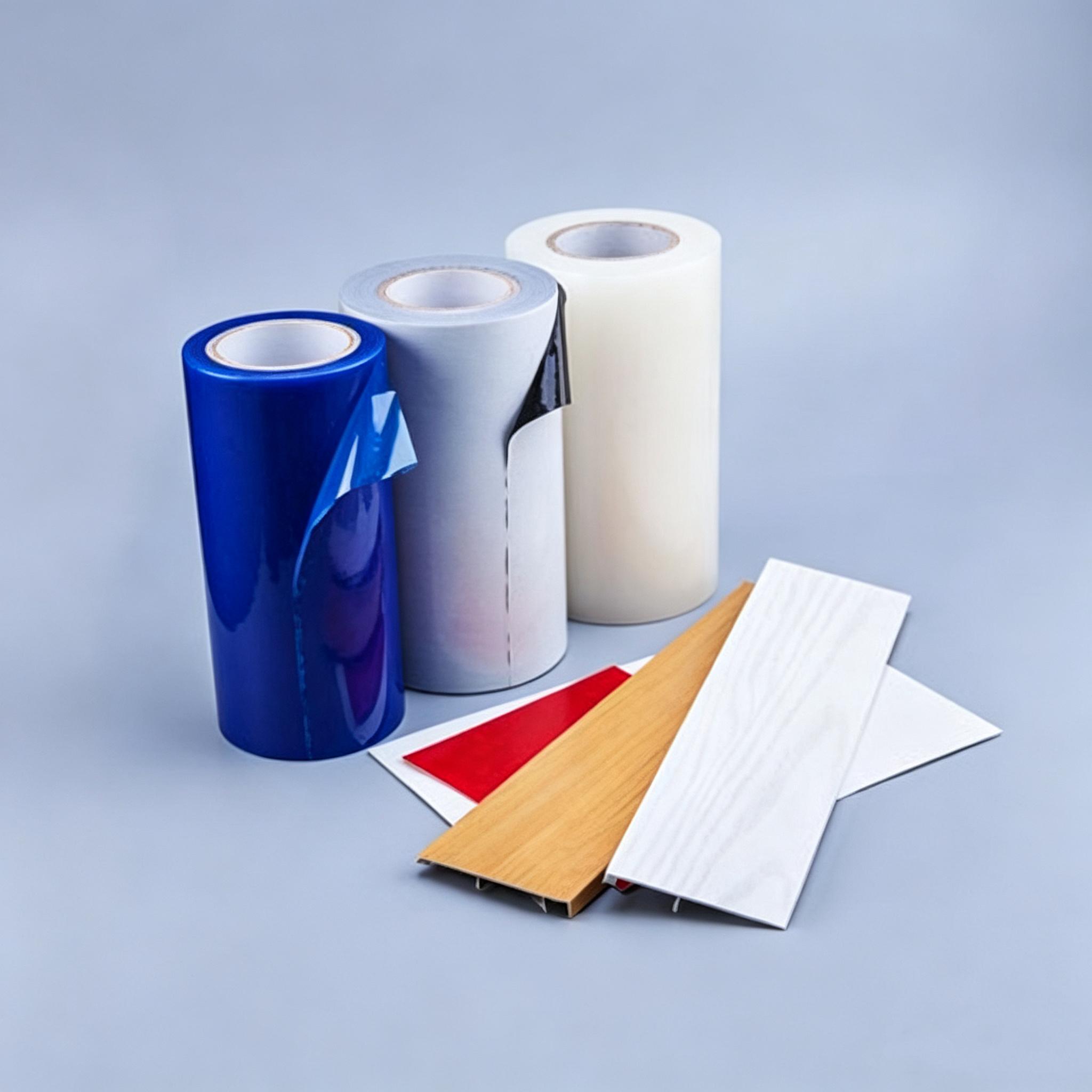
A single film formula can't account for the wildly different stresses packages encounter on their journeys. A box riding in a smooth, air-ride truck experiences gentle vibrations, while that same box on a bumpy railcar gets hammered by repetitive shocks. Standard stretch film, engineered for average conditions, simply gives up when real-world extremes hit—either stretching too thin on sharp edges or failing to absorb sudden jolts, leaving pallets vulnerable to shifting and abrasion.
The trouble compounds when you consider the sheer variety of load types. A uniform stack of boxed cereal behaves nothing like a mixed pallet of irregular auto parts. Generic film can't grip every surface equally; it might hold tight to cardboard but slip right off a polished plastic container. Once that first tear starts at a pressure point, the entire wrap unravels from the inside out, often invisibly until the load collapses at a distribution center.
Temperature swings add another layer of betrayal. Film optimized for a climate-controlled warehouse loses elasticity in a freezing trailer, turning brittle and snapping. Conversely, in a sweltering container, it can soften and lose tension, gradually letting contents lean outward. These gradual failures rarely get noticed until the damage is done—crushed corners, scuffed labels, or entire pallets that need reworking, all because the wrap assumed a static environment that never existed.
Matching Film Adhesive Levels to Surface Sensitivity
A film’s ability to stick predictably matters just as much as its appearance or durability. When the substrate is delicate—think freshly painted drywall, wallpaper with a fragile top layer, or low-energy plastics—standard adhesives can cause peeling, residue, or outright damage. Choosing a lower-tack adhesive isn’t simply about reducing grip; it’s about engineering a bond that releases cleanly without pulling away fibers or coatings. The real art lies in matching the cohesive strength of the adhesive to the surface energy of the substrate, ensuring that the film stays put during application and use but lifts off without protest when the time comes.
Not all sensitive surfaces announce themselves. Porous materials may seem sturdy but can trap adhesive deep in their structure, leading to ghosting even after removal. Glossy or smooth surfaces can make an adhesive feel secure, yet temperature swings or UV exposure can turn a mild bond into a stubborn one over time. The best approach is to consider the full lifecycle of the application: will the film sit for days or years? Will it face direct sun, humidity, or abrasion? By matching not just the initial tack but also the long-term aging characteristics of the adhesive, you avoid the surprise of a protective film turning into a removal nightmare.
Testing remains the quiet hero here. Even with data sheets listing peel adhesion and surface energy windows, a small patch test under real conditions reveals nuances that lab numbers miss. The goal isn’t to find the strongest bond possible, but the most appropriate one—a balance between security and removability that respects the surface underneath. When done right, the adhesive level becomes an invisible partner, doing its job without leaving a trace.
Field-Tested Techniques for Bubble-Free Application
Nothing frustrates a meticulous applicator more than watching those tiny air pockets bloom under a freshly laid film. One of the most overlooked yet effective habits is to let the material rest. After mixing or pouring, give the liquid a few minutes to settle so entrapped air can naturally rise and escape. Meanwhile, pre-wetting the application tool—whether a brush, roller, or squeegee—with a mist of the same base carrier fluid can dramatically reduce air introduction at the start. It’s a simple step that seasoned hands swear by but instructions rarely mention.
The surface itself plays an equal role. Dust, moisture, or even static cling can hold air against the substrate like a magnet. A quick pass with a tack cloth might seem old-fashioned, but it consistently outperforms compressed air alone by removing microscopic debris that gasps into bubbles under pressure. For non-porous surfaces, a very light scuff with a fine abrasive pad not only improves adhesion but also creates microscopic channels that let air bleed sideways rather than upward. If you're working on wood or porous materials, applying a thin seal coat first—sometimes called a mist coat—fills those thirsty pores so the main application goes down without pulling air from the grain.
Motion matters just as much as preparation. Instead of aggressive back-and-forth strokes that whip air into the material, use a slow, deliberate, unidirectional flow. With self-leveling coatings, tilting the workpiece slightly can encourage bubbles to migrate to one edge before the film sets. Temperature control is another subtle lever: a warm substrate helps lower viscosity for easier bubble release, but too much heat accelerates skinning and traps gas beneath a cured surface. The sweet spot is often just a few degrees above the dew point, giving you a longer open time and a flawless, glassy finish that speaks for itself.
Simulating Road Vibrations and Climate Swings in Pre-Shipment Trials
Before any vehicle leaves the factory, it endures a barrage of tests that would make the average pothole blush. We use a combination of hydraulic shakers and multi-axis vibration tables to recreate the exact frequency and amplitude of everything from cobblestone alleys to washboard gravel. The goal isn't just to see if parts rattle loose—it's to listen for the subtle squeaks and resonances that turn a quiet cabin into a headache after two hours of highway driving. Sensors map every panel's response, and if a door trim hums at 62 Hz, engineers tear into the CAD model before a single customer ever notices.
Temperature and humidity chambers take the opposite extreme, cycling a vehicle from the dead cold of a Scandinavian midnight to the blistering dryness of a desert noon in under an hour. Rubber seals stiffen and leak, adhesives let go, and touchscreens lag in ways that simply don't show up at room temperature. We've learned to throw in wind-machine rain and salt spray simultaneously, because real weather rarely arrives politely one condition at a time. A car that survives 500 hours of this condensed misery has earned more than a shipping label—it's proven it won't wilt the first time an owner faces an unexpected frost or heatwave.
The trick isn't testing harder; it's testing smarter by stacking these insults in the right order. Vibration can open a micro-gap in a wiring harness, and that gap only becomes a complete electrical failure once condensation creeps in during a climate swing. By sequencing the trials to mimic a grueling real-world journey—cobblestones at dawn, then freezing fog, then a dusty afternoon—we catch failures that isolated checks would never find. Pre-shipment trials aren't about passing a spec sheet; they're about delivering a vehicle that already knows the world isn't gentle, and doesn't care.
Building a Partnership Beyond the Purchase Order
A purchase order is often viewed as the end point of a negotiation—the final handshake before goods change hands. But the most resilient supply chains treat that document as a starting line, not a finish. When both sides move past transactional thinking, they stop guarding margins and start sharing insights. A manufacturer might reveal upcoming design changes early, allowing the supplier to adjust tooling without rush fees. The supplier, in turn, flags a raw material trend before it hits the market, giving the manufacturer weeks to secure inventory at favorable terms. This kind of exchange rarely happens inside an RFP or a contract amendment; it grows from the trust that the relationship matters more than any single order.
That shift demands a different cadence of conversation—one that doesn’t orbit around volume discounts or delivery windows. Quarterly business reviews become less about scorecards and more about mapping futures together. What if the supplier is also prototyping a solution the manufacturer hasn’t budgeted for yet? What if the manufacturer’s next product line requires a capability the supplier hasn’t publicly advertised? When these questions surface early, both parties can invest strategically rather than scramble reactively. It turns the relationship into a shared R&D pipeline, where risk is distributed and innovation arrives faster, unburdened by the usual back-and-forth of formal procurement cycles.
Of course, treating a supplier like a true partner also means rethinking how success is measured. Cost-per-unit still matters, but it sits alongside metrics like problem-solving velocity, production flexibility during a raw material shortage, or the supplier’s willingness to co-invest in a sustainability initiative that won’t pay back for two years. These are harder to quantify, yet they often determine whether a company navigates a supply shock intact or watches its competitors freeze. The partnership isn’t soft; it’s the hard work of aligning incentives so that when the purchase order arrives, it’s just the latest signal in a conversation that never really stopped.
FAQ
Delicate finishes like polished metals, high-gloss plastics, glass, and painted components are prime candidates. These surfaces scratch easily from vibration or contact with packaging materials. Custom films add a barrier that absorbs minor impacts while leaving no residue upon removal.
It comes down to the surface energy of the material. Low-energy surfaces like powder-coated metals need a stronger adhesive to cling properly, whereas high-energy ones such as bare aluminum require a gentler touch. Reputable suppliers test adhesion on your actual substrate and can adjust the formulation to ensure clean removal after months of transit.
They can do both when engineered properly. Beyond scratch defense, some films include vapor corrosion inhibitors or are laminated to moisture barriers. This dual-action approach is especially useful for metal parts shipped overseas where humidity fluctuates. The key is specifying the environmental conditions your shipment will face.
They'll ask for the substrate material, surface texture, expected transit duration, temperature extremes, and any post-application processes like die-cutting or printing. Providing a sample part helps immensely. It allows them to simulate real-world conditions and check for compatibility, so the film doesn't fail mid-journey.
Consistency starts with quality raw materials and strict manufacturing tolerances. Beyond that, they conduct batch testing for peel adhesion, elongation, and UV resistance. Some even offer on-site audits or third-party lab reports. The goal is uniform protection whether you're shipping ten units or ten thousand.
Absolutely. Many suppliers now offer biodegradable or recyclable films made from PLA or other bio-based polymers. These still provide excellent abrasion resistance but break down after disposal. You can also opt for thinner gauges that reduce material use without compromising safety—a win for both the product and the planet.
Bubbles, edge lifting, and misalignment are typical headaches. A good supplier provides application guidelines, such as the ideal temperature range and squeegee techniques. They might also offer pre-masked rolls or custom die-cut shapes that make installation foolproof. Some even train your team on proper handling so the film stays put from factory to final destination.
Conclusion
Protecting surfaces during transit starts long before a shipment leaves the dock. A custom temporary protective film supplier digs into the specific vulnerabilities of your product—whether it's a mirror-like finish prone to micro-scratches, a coated metal that reacts with standard adhesives, or a textured surface that rejects generic films. This upfront mapping of weak spots ensures the solution isn't pulled off a shelf but built around your material's topography and chemistry. We've seen too many shipments arrive with ghosting or residue because a one-size-fits-all film was slapped on without considering the interplay between adhesive, facestock, and the surface itself. By matching adhesive levels to surface sensitivity—low tack for delicate coatings, medium for brushed metals, and high for rugged texture retention—you avoid the extremes of film peeling mid-route or leaving behind aggressive gum that takes hours to clean. The right pairing also accounts for the journey ahead: container shipping from humid Shenzhen to dry Arizona demands a different moisture barrier than a short truck haul.
Application technique matters just as much as film chemistry. Our field teams train yours on bubble-free methods that don't rely on expensive machinery—think angled squeegee passes, static dissipation tricks, and ambient temperature adjustments that prevent edge lift six hours later. But the real proof comes before the first unit ships. We replicate road vibrations, temperature swings from -20°F to 140°F, and UV exposure in accelerated trials that compress six weeks of transit into days. This catches failures like adhesive softening under diesel exhaust heat or film brittleness in cold snaps. Beyond the technical rigors, the relationship becomes a partnership. We're not just shipping pallets of film; we're reviewing your packaging design, flagging wooden crate residues that undermine adhesion, and storing buffer inventory for your seasonal spikes. It's this layered approach—combining surface science, hands-on application, and logistics empathy—that keeps Class A surfaces pristine from the factory floor to the customer's first unboxing.
Contact Us
Contact Person: Jack Xu
Email: [email protected]
Tel/WhatsApp: 8615257328825
Website: https://www.temporaryprotectivefilm.com/