
Enameling Machines: Innovations and Trends in Modern Manufacturing
2026-03-01
In the ever-evolving landscape of manufacturing, enameling machines have emerged as pivotal players, driving efficiency and precision like never before. At GRM, we're at the forefront of these innovations, crafting solutions that redefine industry standards. This blog delves into the latest trends and breakthroughs, from smart automation to sustainable practices, that are shaping today's production lines. Get ready to explore how GRM is leading the charge, transforming challenges into opportunities and sparking curiosity for what lies ahead in modern manufacturing.
Revolutionary Enameling Technologies Transforming Production Lines
Innovative enameling methods are reshaping manufacturing floors by introducing automation and precision previously unimaginable. These advancements include robotic spraying systems that apply ultra-thin, uniform coatings with minimal waste, drastically reducing manual labor and material costs. For instance, factories adopting these technologies report up to 40% faster production cycles and enhanced product durability, leading to significant competitive advantages in industries like automotive and appliance manufacturing.
Beyond automation, new enameling techniques incorporate eco-friendly materials and energy-efficient processes, aligning with global sustainability goals. Water-based enamels and low-temperature curing methods not only cut down on harmful emissions but also lower energy consumption by up to 30%, as seen in recent pilot projects. This shift not only meets regulatory standards but also appeals to environmentally conscious consumers, fostering a greener brand image without compromising on quality or finish.
The integration of smart sensors and IoT connectivity has enabled real-time monitoring and predictive maintenance on enameling lines. By analyzing data from sensors embedded in equipment, companies can preemptively address issues like uneven coating or machine wear, reducing downtime by over 20% in some cases. This digital transformation empowers manufacturers to achieve higher consistency in products, adapt swiftly to custom orders, and ultimately drive innovation in sectors ranging from aerospace to consumer electronics.
Smart Automation and IoT Integration in Enameling Equipment
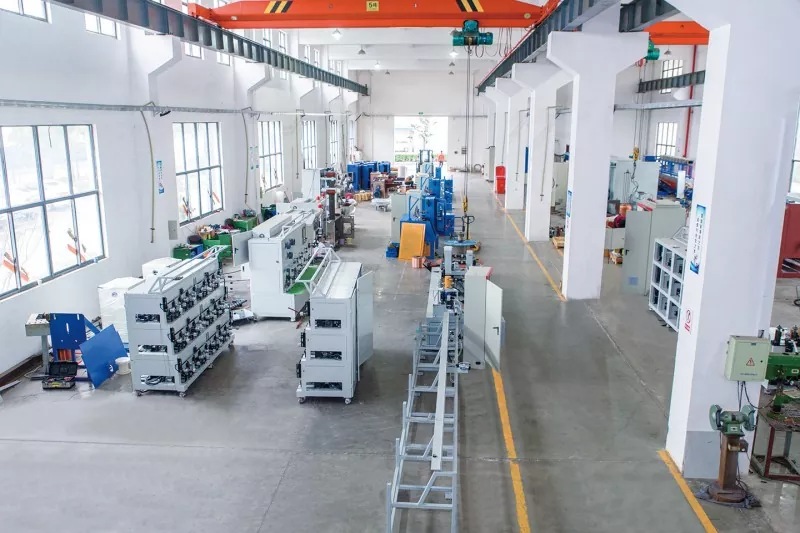
Imagine walking into a modern enameling facility where machines hum with a quiet intelligence, adjusting parameters in real-time based on the slightest variations in material consistency or ambient conditions. This isn't science fiction; it's the reality brought by smart automation and IoT integration. By embedding sensors and control systems directly into enameling equipment, manufacturers can now achieve precision that was once elusive, reducing waste and enhancing quality with minimal human intervention. The equipment learns from each batch, optimizing processes like temperature control and coating application to deliver consistently flawless finishes, whether for industrial components or artisanal ceramics.
Beyond mere automation, IoT connectivity transforms these machines into proactive partners in the production chain. Data flows seamlessly from the enameling line to cloud-based platforms, where it's analyzed to predict maintenance needs before breakdowns occur, slashing downtime and repair costs. Operators receive alerts on their devices about potential issues, such as nozzle clogs or energy inefficiencies, enabling swift adjustments. This interconnected ecosystem fosters a collaborative environment where equipment communicates with other factory systems, streamlining workflows from raw material input to final inspection, all while maintaining a tight grip on energy consumption and regulatory compliance.
What truly sets this integration apart is its adaptability to diverse applications, from large-scale automotive coatings to bespoke jewelry enameling. Unlike rigid, one-size-fits-all solutions, smart IoT-enabled equipment can be customized via software updates to handle new materials or designs, keeping pace with evolving market demands. This flexibility empowers manufacturers to experiment with innovative techniques, such as gradient color effects or eco-friendly, low-VOC formulas, without overhauling their entire setup. In essence, it's not just about making enameling faster or cheaper—it's about unlocking creative possibilities and building a more resilient, responsive manufacturing landscape that thrives on data-driven insights.
Sustainable Practices and Eco-Friendly Enameling Solutions
In the enameling industry, adopting sustainable practices isn't just a trend but a crucial shift towards reducing environmental impact. Many manufacturers are now focusing on minimizing waste, such as by recycling excess enamel powders and optimizing kiln energy usage through advanced insulation technologies. This approach not only conserves resources but also cuts operational costs, making eco-conscious choices both ethical and economically viable. By integrating these methods, companies demonstrate a commitment to long-term sustainability that resonates with environmentally aware consumers.
Eco-friendly enameling solutions often involve innovative materials like lead-free and non-toxic enamel formulations, which eliminate harmful chemicals from the production process. These alternatives perform just as well as traditional enamels while ensuring safer working conditions and reducing pollution in water sources. Additionally, using renewable energy sources, such as solar-powered kilns, further enhances the green credentials of enameling operations. This holistic approach addresses multiple environmental concerns, setting a new standard for the industry's ecological footprint.
Beyond materials and energy, sustainable enameling extends to design and lifecycle considerations. For instance, creating durable, timeless pieces that last longer reduces the need for frequent replacements, thereby lowering overall resource consumption. Some artisans also explore biodegradable packaging and local sourcing to minimize transportation emissions. By weaving these elements into their craft, enameling professionals contribute to a circular economy, where every step—from production to disposal—is thoughtfully aligned with environmental stewardship, offering unique value in a market increasingly driven by sustainability.
Customizable Machines for Diverse Industrial Applications
In today's fast-paced industrial landscape, one-size-fits-all solutions often fall short of meeting the unique demands of different sectors. Customizable machines, engineered with modular components and adaptable software interfaces, empower manufacturers to tailor equipment specifically to their operational needs. This flexibility not only enhances productivity but also fosters innovation by allowing seamless integration of new technologies, from robotics to IoT sensors, ensuring that industries such as automotive, food processing, and pharmaceuticals can stay ahead of the curve without costly overhauls.
Gone are the days when factories were stuck with rigid machinery that limited their growth potential. By opting for customizable systems, companies can scale up or down with ease, adjusting to market fluctuations and regulatory changes. This adaptability translates into reduced downtime and maintenance costs, as parts can be swapped or upgraded on the fly. Whether it's a packaging line needing faster speeds or a metalworking station requiring precise tolerances, these machines provide a dynamic edge that keeps businesses agile in a competitive environment.
From heavy-duty construction equipment to delicate laboratory instruments, the ability to personalize machines extends across diverse applications, enabling sectors like renewable energy and aerospace to push boundaries with tailored solutions. By embracing customization, industries aren't just buying tools—they're investing in a future-proof strategy that evolves alongside their ambitions, turning challenges into opportunities for growth and efficiency.
Enhancing Durability and Aesthetics with Advanced Enameling Techniques
Imagine you've been looking for a way to spruce up your products, whether it's cookware, jewelry, or architectural features, and you want them to last longer while catching the eye. That's where advanced enameling techniques come in. Instead of just slapping on a basic coating, these methods involve carefully fusing powdered glass onto metal surfaces at high temperatures. It's like giving your items a tough, glossy skin that not only resists scratches and corrosion but also adds a pop of color and shine. So, if durability and looks are both on your checklist, this process might just be the game-changer you've been after.
What sets modern enameling apart from the old-school versions is the tweaks in materials and application. For example, some techniques use multiple layers or specialized formulas that bond better with different metals, making the finish more resilient against daily wear and tear. Plus, with options like digital printing or precision spraying, you can achieve intricate patterns and gradients that weren't possible before—think of a custom bike frame with a vibrant, fade-resistant design. It's not just about protection; it's about adding a unique, artistic touch that makes products stand out in a crowded market.
Beyond the obvious benefits, consider how these advancements impact sustainability and user experience. Enamel coatings often reduce the need for frequent replacements or heavy maintenance, which can save resources over time. They're also great for creating smooth, easy-to-clean surfaces in kitchens or public spaces, enhancing both functionality and visual appeal. In short, by blending durability with aesthetics, advanced enameling offers a practical yet creative solution that appeals to makers and consumers alike, making it more than just a protective layer—it's a smart design choice.
Future Trends: AI and Robotics in Enameling Machine Development
As enameling technology evolves, the integration of AI is transforming machine development by enhancing precision and efficiency. AI algorithms can analyze historical production data to predict optimal process parameters, such as temperature and timing, reducing waste and improving quality consistency. This leads to smarter machines that adapt to various materials and designs, making custom enameling more accessible and cost-effective.
Robotics plays a key role in automating complex tasks like intricate pattern application and post-processing steps. Collaborative robots (cobots) are being designed to work safely alongside human operators, increasing throughput while maintaining high craftsmanship standards. This synergy allows for faster production cycles without compromising on the artistic details that distinguish enameled products.
Looking ahead, the convergence of AI and robotics will likely spur innovations such as real-time defect detection and adaptive learning systems that refine processes on the fly. These advancements promise to revolutionize enameling by making it more scalable and versatile, catering to both mass production and bespoke applications in industries like jewelry and electronics.
FAQ
Enameling machines are specialized equipment used in manufacturing to apply enamel coatings, which provide decorative, protective, and functional finishes to materials like metals and ceramics, ensuring durability and aesthetic appeal in products such as appliances and automotive parts.
Recent innovations include automated systems with robotics for precision application, energy-efficient designs to reduce costs, and smart technologies that allow for real-time monitoring and adjustments, enhancing speed and quality in high-volume production while minimizing waste.
Key trends involve increased automation and digitization, with Industry 4.0 integration enabling predictive maintenance, as well as a focus on sustainable practices, such as using eco-friendly enamels and reducing energy consumption to meet environmental regulations.
Automation boosts productivity by ensuring consistent coating thickness and adherence, reduces labor costs, and improves safety by minimizing human exposure to hazardous materials, leading to higher output and fewer defects in industries like electronics and construction.
Challenges include high initial investment for advanced equipment, the need for skilled operators to manage complex systems, and adapting to varying material specifications, which can slow down adoption in smaller-scale operations or niche markets.
They provide uniform enamel layers that enhance corrosion resistance, thermal insulation, and visual appeal, resulting in longer-lasting and more reliable products, from kitchenware to industrial components, thereby building brand trust and customer satisfaction.
One example is the development of electrostatic spraying systems that use charged particles to apply enamel more evenly and with less overspray, improving efficiency and reducing material waste, particularly in automotive and appliance manufacturing.
Future advancements may include greater integration with AI and IoT for autonomous operation, advancements in non-toxic enamel formulations, and modular designs that offer flexibility for custom productions, driving further efficiency and sustainability in global manufacturing.
Conclusion
The article "Enameling Machines: Innovations and Trends in Modern Manufacturing" explores how enameling technology is evolving to meet contemporary industrial demands. It highlights revolutionary enameling technologies that are transforming production lines, focusing on smart automation and IoT integration, which enable real-time monitoring and efficiency improvements. These advancements, along with sustainable practices and eco-friendly solutions, are driving the industry toward greener operations, reducing environmental impact while maintaining high-quality outputs.
Additionally, the piece delves into customizable machines designed for diverse industrial applications, emphasizing how advanced enameling techniques enhance both durability and aesthetics in finished products. Looking ahead, future trends point to the integration of AI and robotics in enameling machine development, promising more precise, adaptive, and efficient manufacturing processes. Overall, these innovations collectively signify a shift toward smarter, more sustainable, and versatile enameling equipment in modern manufacturing.
Contact Us
Contact Person: Rayna
Email: [email protected]
Tel/WhatsApp: 86 -173 1474 6343
Website: https://www.grmrollingmill.com/