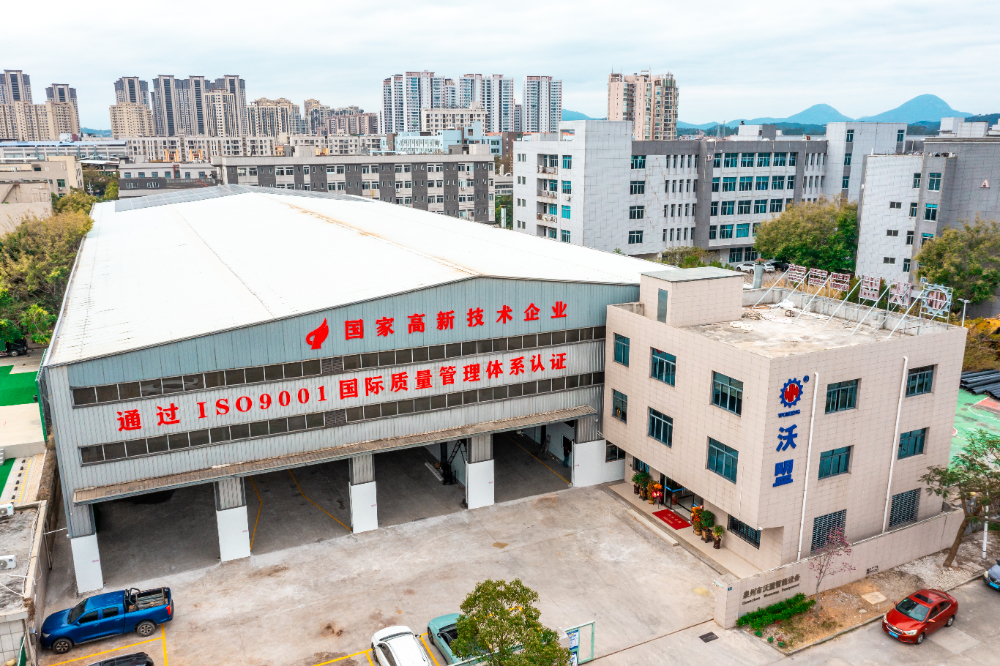

High Efficiency Sanitary Napkin Making Machine: Streamlining Production for Hygiene Products
2026-03-10
Welcome to the world of innovative hygiene product manufacturing! In today's fast-paced industry, efficiency and quality are paramount, especially when it comes to producing sanitary napkins that prioritize women's health and comfort. Our blog explores the cutting-edge technology behind high-efficiency sanitary napkin making machines, designed to streamline production processes and enhance product reliability. Dive in as we uncover how these advancements contribute to better hygiene solutions globally. For more insights into this transformative equipment, visit Womeng – where innovation meets excellence in machinery.
Innovative Design Features of Modern Sanitary Napkin Machinery
In today's fast-evolving manufacturing landscape, modern sanitary napkin machinery has transformed dramatically to meet rising consumer demands for comfort and sustainability. Take, for example, the integration of smart sensor technology that adjusts production parameters in real-time, ensuring consistent quality across batches while minimizing material waste. This isn't just about automation—it's about precision engineering that allows for thinner, more absorbent pads without compromising on durability or softness, making each product feel tailored to individual needs.
Another standout feature lies in the modular design of these machines, which enables quick reconfiguration for different product lines or sizes with minimal downtime. Imagine switching from producing overnight pads to ultra-thin liners in under an hour, thanks to intuitive touchscreen interfaces and self-diagnostic systems that alert operators to potential issues before they escalate. This flexibility not only boosts efficiency but also supports eco-friendly initiatives by optimizing energy use and reducing scrap rates, reflecting a commitment to both operational excellence and environmental stewardship.
Beyond functionality, modern machinery emphasizes user-centric innovations like noise reduction enclosures and ergonomic controls that enhance the working environment for factory personnel. Coupled with advanced hygiene features such as antimicrobial coatings and closed-loop systems that prevent contamination, these designs prioritize safety and cleanliness at every step. By blending cutting-edge technology with thoughtful, human-centered elements, the latest equipment sets a new benchmark in the industry, driving forward a wave of products that are as reliable as they are revolutionary.
Automation and Speed in Hygiene Product Manufacturing
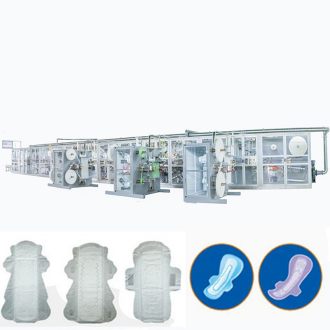
In today's fast-paced market, hygiene product manufacturing has undergone a significant transformation, driven by the integration of automation technologies that boost production speeds and efficiency. Gone are the days of relying solely on manual labor; modern factories now feature robotic arms, conveyor belts, and smart sensors that work in seamless harmony. This shift not only accelerates output but also ensures consistent quality, reducing human error and minimizing waste. For instance, automated packaging lines can handle thousands of units per hour, meeting the rising demand for items like disposable masks and sanitizing wipes without compromising precision.
Speed is a critical factor in this industry, particularly during emergencies like pandemics or supply chain disruptions. Advanced machinery, such as CNC machines and automated assembly units, enable rapid prototyping and mass production, allowing manufacturers to pivot quickly in response to market needs. This agility translates to shorter lead times and faster delivery to consumers, enhancing overall customer satisfaction. Moreover, real-time data analytics from these systems provide insights that fine-tune processes, optimizing cycle times and reducing downtime, which further amplifies production velocity.
Beyond mere efficiency, automation brings a competitive edge by fostering innovation and sustainability. It allows for the development of smarter, more resource-efficient products, such as biodegradable hygiene items, while maintaining high-speed outputs. As factories become more interconnected through the Internet of Things (IoT), they can adapt dynamically to changing conditions, ensuring that hygiene products reach shelves swiftly without sacrificing safety or environmental standards. This evolution positions manufacturers to thrive in an era where speed and automation are not just advantages but necessities for staying relevant.
Quality Control Measures for Enhanced Product Safety
In today's fast-paced manufacturing environment, ensuring product safety is paramount for building consumer trust and reducing liability risks. A robust quality control system integrates multiple layers of checks, from raw material inspection to final packaging, to catch potential hazards early. For instance, many industries now adopt real-time monitoring technologies that flag deviations in production lines, allowing immediate corrective actions before issues escalate. This proactive approach not only minimizes recalls but also demonstrates a company's commitment to delivering reliable, safe products to the market.
Beyond traditional testing methods, enhancing product safety often involves implementing advanced analytical tools and employee training programs. Regular audits and third-party certifications can validate that safety protocols are consistently applied, while feedback loops from customer complaints help refine processes over time. By fostering a culture of continuous improvement, organizations can adapt to new regulations and emerging threats, ensuring that quality control measures evolve alongside industry standards and consumer expectations for safer goods.
Innovative strategies like predictive analytics and AI-driven defect detection are revolutionizing product safety by identifying patterns that human inspectors might miss. Integrating these technologies into quality control frameworks enables more precise assessments and faster response times, ultimately raising the bar for safety across sectors. Embracing such forward-thinking measures not only safeguards end-users but also boosts operational efficiency and brand reputation in an increasingly competitive marketplace.
Energy-Efficient Technologies in Napkin Production Lines
In the quest to reduce environmental impact and cut operational costs, napkin production lines have increasingly integrated energy-efficient technologies. By replacing outdated machinery with modern, high-efficiency motors and variable frequency drives (VFDs), manufacturers can significantly lower electricity consumption. For instance, VFDs allow for precise speed control, meaning machines only use the power needed for specific tasks, rather than running at full throttle constantly, which not only saves energy but also extends equipment lifespan and reduces maintenance needs.
Another breakthrough lies in thermal management systems. Advanced heat recovery units are now being installed to capture waste heat from processes like drying or pressing and repurpose it to pre-heat incoming materials or warm facilities. This circular approach minimizes reliance on external heating sources, slashing energy bills by up to 40% in some cases, while also contributing to a more sustainable production cycle that appeals to eco-conscious consumers and meets stricter regulatory standards.
Beyond machinery upgrades, smart automation plays a pivotal role. Integration of IoT sensors and real-time monitoring systems enables predictive maintenance, preventing energy-draining malfunctions before they occur. These technologies optimize production flow by adjusting parameters based on real-time data, such as humidity levels or material thickness, ensuring minimal energy waste. As a result, napkin manufacturers not only boost efficiency but also gain a competitive edge through reduced overheads and enhanced product consistency, making sustainability a core driver of innovation in the industry.
Versatility and Customization in Sanitary Napkin Equipment
When it comes to sanitary napkin equipment, versatility and customization are key factors that set modern manufacturing processes apart. Gone are the days of one-size-fits-all approaches; today's machines are designed to adapt to various product types and sizes, allowing manufacturers to quickly switch between high-absorbency pads, panty liners, and organic options with minimal downtime. This flexibility not only boosts production efficiency but also enables brands to respond swiftly to market trends and consumer demands, ensuring they can offer a diverse range of products that cater to different needs.
Customization goes beyond just product variety, extending into the machinery's operational features. Equipment can be tailored with specialized components like adjustable speed controls, precision cutting tools, and smart sensors that monitor quality in real time. By integrating these personalized elements, manufacturers can fine-tune their production lines to enhance consistency and reduce waste, resulting in a more sustainable and cost-effective operation that supports both innovation and reliability in the final products.
Ultimately, this focus on versatility and customization empowers manufacturers to create sanitary napkins that are not only functional but also aligned with evolving consumer preferences, such as eco-friendly materials or enhanced comfort designs. By investing in adaptable equipment, companies can future-proof their operations, staying competitive in a dynamic industry while delivering high-quality, personalized solutions that meet the diverse needs of users worldwide.
Maintenance Tips and Long-Term Durability of Machines
Keeping your machines running smoothly for years isn't just about fixing things when they break; it's about a proactive mindset. Start with the basics: regular cleaning to prevent dust and debris buildup, which can wear down moving parts and cause overheating. Don't overlook lubrication for components like bearings and gears—a little goes a long way in reducing friction and preventing premature failure. Make it a habit to check for loose bolts, unusual noises, or vibrations early on, as these small signs often hint at bigger issues down the line.
Beyond routine checks, think about the environment your machine operates in. If it's exposed to moisture, humidity, or extreme temperatures, consider protective measures like covers or climate control to shield sensitive parts. For electronic components, power surges or inconsistent voltage can be silent killers, so using surge protectors and ensuring stable power sources can extend their lifespan dramatically. Tailoring maintenance to your specific conditions, rather than relying on generic schedules, makes a real difference in durability.
Long-term durability also hinges on how you use the machine. Avoid overloading it beyond its capacity, as this strains components and leads to faster wear. Training operators on proper handling techniques can prevent accidental damage, while keeping detailed logs of maintenance history helps track performance trends and plan for replacements before things go wrong. By blending consistent care with smart usage, you're not just maintaining a machine—you're investing in its future reliability.
FAQ
It incorporates automated material handling and rapid production cycles, reducing downtime and boosting output while maintaining consistent product quality.
By integrating cutting-edge technology and modular design, it simplifies processes from raw material input to finished packaging, enhancing overall workflow.
Yes, it's built with materials and mechanisms that meet stringent sanitary regulations, including easy-clean surfaces and contamination-resistant components.
This machine is ideal for hygiene product manufacturers, especially those producing sanitary napkins, pads, or similar disposable items on a large scale.
Absolutely, it offers adjustable settings for size, shape, and absorbency levels, allowing for flexible production runs tailored to market demands.
Manufacturers often include comprehensive training, technical manuals, and access to spare parts, ensuring smooth long-term operation with minimal disruptions.
Conclusion
The High Efficiency Sanitary Napkin Making Machine revolutionizes hygiene product manufacturing by integrating advanced design and automation. Its innovative features, such as precision layering and material handling, ensure consistent quality and safety, while automated systems boost speed and reduce labor costs, streamlining production for higher output and reliability.
Additionally, these machines incorporate energy-efficient technologies and versatile customization options, allowing manufacturers to adapt to diverse market demands sustainably. Proper maintenance strategies enhance long-term durability, ensuring efficient operation and minimal downtime, solidifying their role in modern hygiene product lines.
Contact Us
Contact Person: Jessie Lai
Email: [email protected]
Tel/WhatsApp: 86-188594442931
Website: https://www.wm-machinery.com