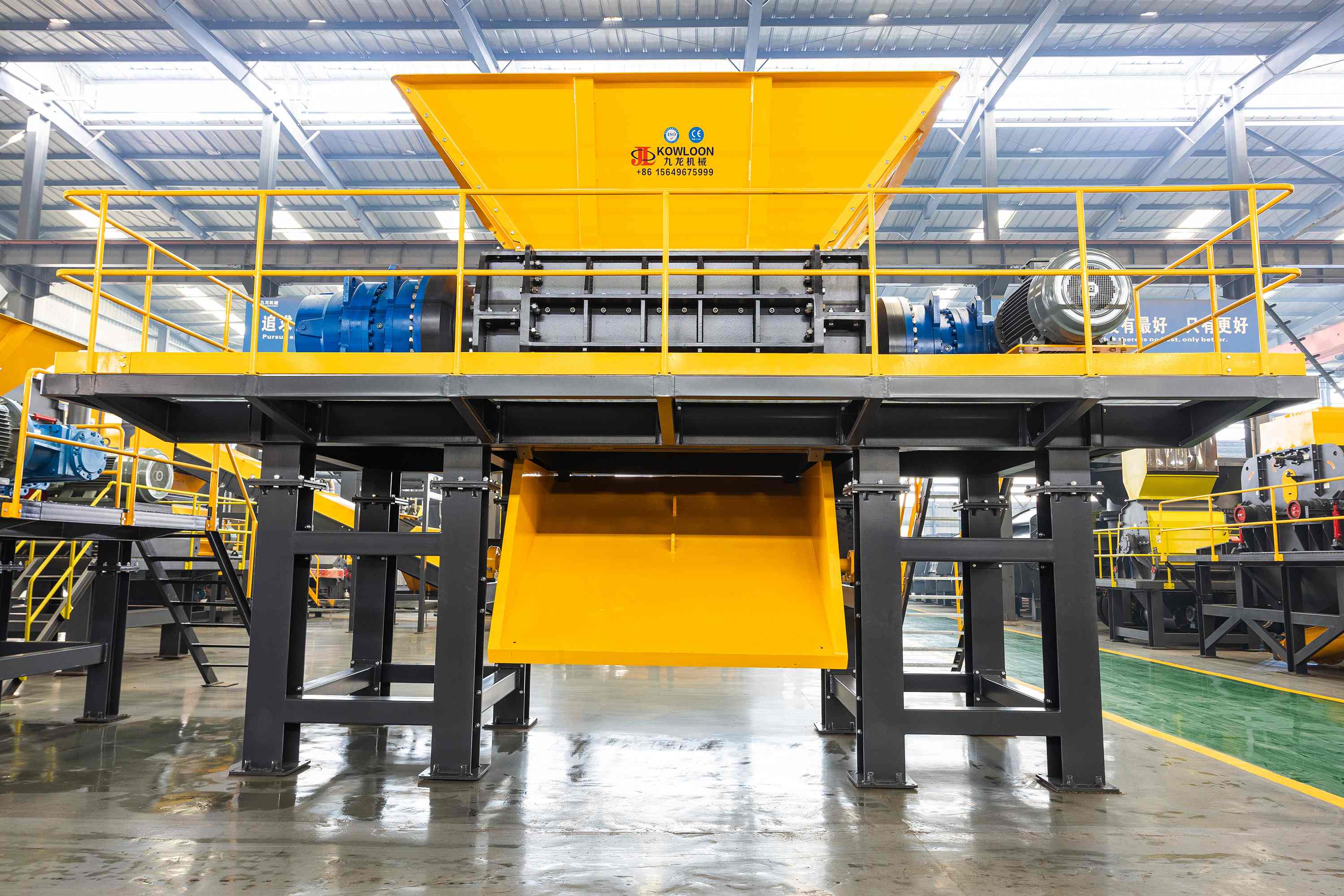

Metal Recycling Innovations: The New Type Shaping a Sustainable Future
2026-04-01
In the push toward a more sustainable future, metal recycling stands as a cornerstone of innovation. This blog explores the latest advancements in metal recycling technology, highlighting how these new methods are shaping a cleaner, greener world. At the forefront of this transformation is Kowloon Machinery, driving progress with cutting-edge solutions that redefine efficiency. Join us as we uncover the breakthroughs that are not only revolutionizing the industry but also paving the way for a more sustainable tomorrow.
Groundbreaking Methods Transforming Metal Recovery
Just a few years ago, metal recovery largely relied on conventional smelting and chemical leaching. These methods, while established, often consumed significant energy and generated substantial waste. But the scene is shifting dramatically as cutting-edge technologies emerge, offering more efficient and sustainable solutions. From e-waste to industrial scrap, innovators are harnessing advanced techniques that promise to reshape how we reclaim and reuse valuable metals, turning what was once a linear process into a circular economy powerhouse.
One standout approach is the use of bioleaching, which employs microorganisms to extract metals like copper, gold, and nickel from ores or electronic waste. Unlike traditional methods, this biological process operates at lower temperatures, reducing energy costs and minimizing toxic byproducts. Some facilities have already integrated this into their operations, seeing recovery rates jump by over 30% while slashing environmental impact. It's a quiet revolution happening in labs and plants worldwide, proving that nature's tools can outperform industrial ones in certain scenarios.
Beyond biology, electrochemical methods are gaining traction, such as selective ion exchange and membrane technologies. These allow for precise separation of metals from complex mixtures, often at room temperature, which enhances purity and reduces chemical usage. In practice, this means recovering rare earth elements from old batteries or extracting precious metals from catalytic converters with unprecedented efficiency. As these innovations scale up, they're not just improving recovery—they're driving down costs and opening new possibilities for recycling previously untapped resources, making metal recovery smarter and more responsive to global demands.
Advanced Sorting Systems Boosting Recycling Efficiency
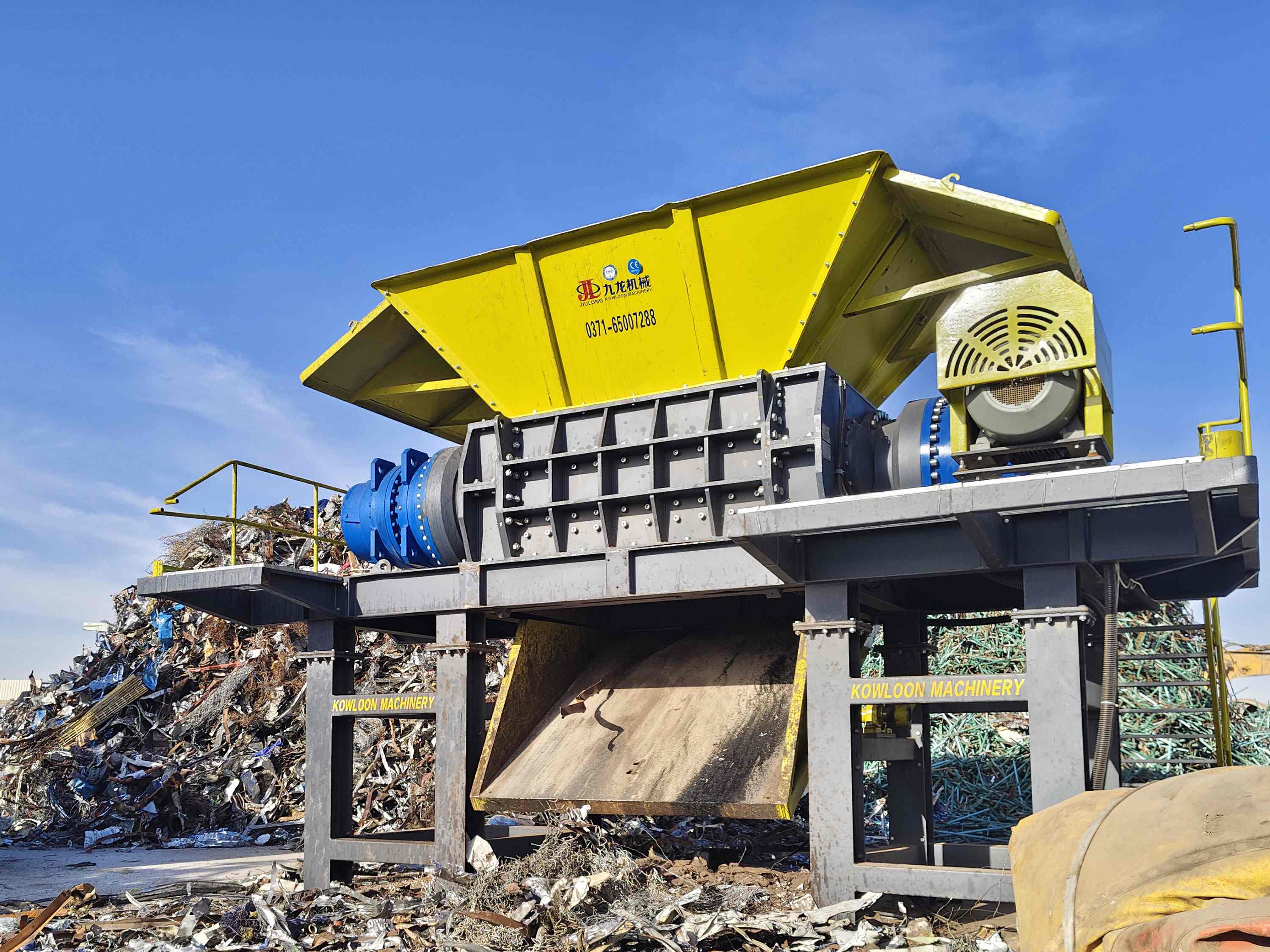
In the push toward a more sustainable future, advanced sorting systems have emerged as game-changers for recycling operations worldwide. These cutting-edge technologies, such as AI-powered optical sorters and near-infrared scanners, can rapidly identify and separate materials with remarkable precision, significantly reducing contamination in recycled streams. This leap in accuracy not only enhances the quality of output but also lowers operational costs by minimizing manual sorting and waste handling, making recycling more economically viable and environmentally impactful.
By automating complex sorting tasks, these systems address long-standing challenges like mixed plastics or composite materials that were previously difficult to process. For example, in facilities across Europe and North America, real-time data analytics from sensors enable dynamic adjustments to sorting lines, optimizing throughput and resource use. This technological edge not only boosts efficiency but also fosters innovation in waste management, paving the way for circular economies where more materials are reclaimed and reused effectively.
Beyond mere speed, the adaptability of advanced sorting systems allows for tailoring processes to local recycling needs, from urban centers to rural areas. This customization, coupled with reduced energy consumption compared to older methods, demonstrates a holistic approach to sustainability. As industries and municipalities adopt these technologies, they're witnessing tangible benefits, including higher recovery rates and a stronger commitment to environmental goals, ultimately transforming how we view and manage our waste.
Sustainable Practices Minimizing Environmental Footprints
Adopting sustainable practices is key to creating a positive impact on our planet while ensuring long-term success. It's more than just a trend; it's about making thoughtful choices that reduce waste, conserve resources, and foster healthier ecosystems. From small daily habits to large-scale operational shifts, every effort counts in building a future where environmental footprints become lighter and greener.
Think about the countless ways we can integrate these practices into our lives: using renewable energy sources like solar or wind power, opting for reusable materials over single-use plastics, or supporting local produce to cut down on transportation emissions. It's not just about reducing harm; it's about actively improving the world around us, creating a ripple effect that encourages others to join in. By focusing on efficiency and innovation, we can turn challenges into opportunities for meaningful change.
The journey toward sustainability is dynamic and ever-evolving. As technologies advance and awareness grows, new methods emerge to minimize our environmental impact even further. Embracing this adaptability means staying proactive, learning from each step, and continuously refining our approach. Ultimately, it's a commitment to leaving the planet better than we found it, for generations to come.
Smart Technologies Revolutionizing Waste Management
Innovative smart technologies are transforming how we handle waste, moving beyond traditional methods to create more efficient and sustainable systems. These advancements include IoT-enabled sensors that monitor waste levels in real-time, allowing for dynamic collection schedules that reduce unnecessary trips and lower carbon emissions. For instance, smart bins equipped with fill-level sensors send alerts to waste management companies when they are nearly full, optimizing routes and cutting operational costs by up to 50% in some cities.
Another key development is the integration of AI and machine learning into recycling processes, which enhances sorting accuracy and material recovery. By using computer vision systems, facilities can identify and separate different types of plastics, metals, and paper more precisely than human workers, leading to higher-quality recycled products. This not only reduces contamination in waste streams but also supports a circular economy by diverting more materials from landfills.
Moreover, smart waste management solutions are fostering greater community engagement through mobile apps and data analytics. Residents can access real-time information on collection times, recycling guidelines, and environmental impact metrics, empowering them to make informed decisions. Cities adopting these technologies report significant improvements in waste diversion rates and public satisfaction, showcasing how digital tools can bridge the gap between policy goals and everyday practices.
Future-Ready Solutions Promoting Circular Economies
Future-ready solutions that promote circular economies are reshaping how businesses approach sustainability, moving beyond traditional linear models of take-make-dispose. These innovative strategies focus on designing products and systems for longevity, reuse, and regeneration, turning waste into valuable resources. By leveraging technologies like AI and IoT, companies can optimize resource flows, reduce environmental impact, and create resilient supply chains that adapt to changing global demands while fostering economic growth.
In practice, such solutions involve implementing closed-loop systems where materials are continuously cycled back into production, minimizing reliance on virgin resources. This not only cuts costs and enhances efficiency but also drives consumer engagement through transparent, eco-friendly practices. From modular product designs to advanced recycling techniques, these approaches empower industries to meet sustainability goals without compromising on innovation or competitiveness.
Embracing these forward-thinking methods enables organizations to build a more sustainable future, balancing economic, social, and environmental priorities. As circular principles gain traction, they inspire collaborative efforts across sectors, sparking new business models and driving positive change on a global scale. This shift towards circularity isn't just a trend—it's a transformative pathway to long-term resilience and prosperity.
Innovative Applications Redefining Metal's Role
Metals have long been the backbone of construction and manufacturing, but today's advancements are pushing them far beyond traditional uses. From smart materials in aerospace to nano-scale applications in medicine, innovations are transforming how metals perform and interact with other technologies. For example, shape memory alloys that respond to temperature changes and lightweight composites for electric vehicles showcase this shift, highlighting metals' adaptability in modern engineering challenges.
Beyond physical properties, metals are becoming key players in sustainability and energy solutions. Innovations like metal-organic frameworks for carbon capture and efficient catalysts in hydrogen production demonstrate their role in combating climate change. These applications not only enhance functionality but also align with global environmental goals, making metals crucial for a greener future without relying on conventional industrial methods.
In everyday life, metals are being redefined through integration with electronics and digital systems. Wearable health monitors with flexible metal components and smart packaging that extends food freshness illustrate how metals enhance convenience and safety. This blending of materials science with consumer tech creates unique value, offering tangible benefits that resonate with users and set new standards in material innovation.
FAQ
The 'New Type' refers to cutting-edge technologies and methods revolutionizing metal recycling by enhancing efficiency and sustainability, such as advanced sorting systems and AI-driven processes.
Metal recycling reduces energy consumption and greenhouse gas emissions compared to virgin metal production, conserves natural resources, and minimizes waste in landfills.
Examples include electromagnetic separation for better metal recovery, hydrometallurgical techniques for extracting metals from e-waste, and blockchain for tracking recycled materials.
It supports circular economies by reintroducing metals into production cycles, reducing reliance on mining, and promoting resource efficiency and economic resilience.
Challenges include high initial costs, regulatory hurdles, the need for infrastructure upgrades, and ensuring supply chain transparency and quality control.
They can invest in new recycling technologies, adopt sustainable procurement policies, participate in recycling programs, and advocate for supportive policies and research.
Conclusion
The landscape of metal recycling is undergoing a profound transformation through groundbreaking methods that are reshaping how we recover and reuse metallic resources. Traditional approaches are being supplemented by advanced sorting systems that leverage cutting-edge technologies like AI and robotics to dramatically boost recycling efficiency, ensuring more materials are captured and processed effectively. These innovations not only enhance recovery rates but also reduce waste, setting the stage for a more sustainable industrial ecosystem.
Simultaneously, sustainable practices and smart technologies are revolutionizing waste management by significantly minimizing environmental footprints and promoting circular economies. Through innovative applications, metal's role is being redefined in sectors ranging from construction to electronics, driving future-ready solutions that prioritize resource conservation. This comprehensive shift towards eco-friendly methods highlights a new era where metal recycling plays a pivotal role in fostering long-term environmental sustainability and economic resilience.
Contact Us
Contact Person: Ray
Email: [email protected]
Tel/WhatsApp: +86 13733817580
Website: https://www.zzkowloon.com/