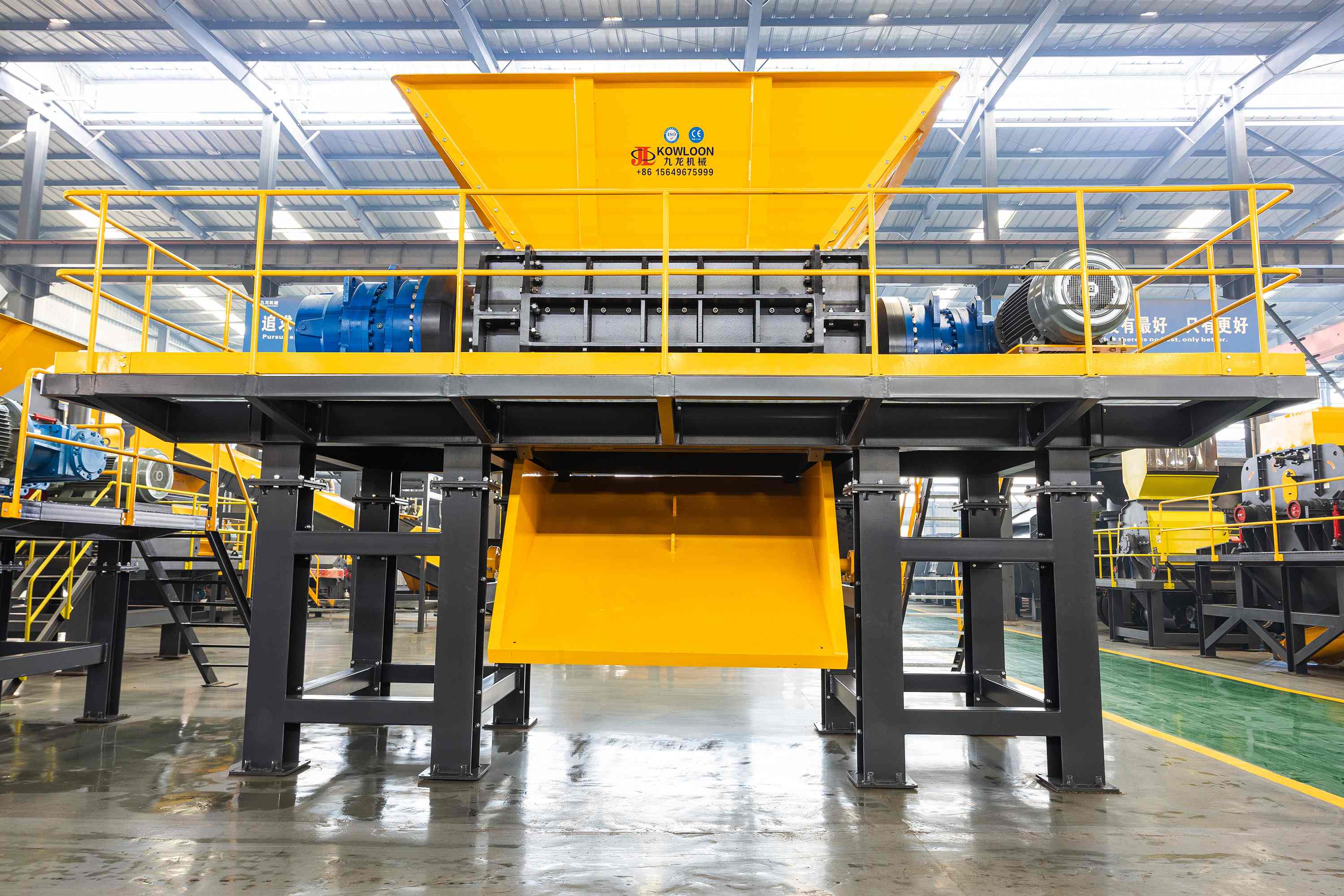

New Type Metal Recycling: Paving the Way for Sustainable Manufacturing
2026-07-10
Metal recycling has entered a new era, and it's revolutionizing how we think about sustainable manufacturing. As industries face mounting pressure to reduce waste and carbon footprints, the latest advancements in recycling technology are turning scrap into high-quality raw material with unprecedented efficiency. At the forefront of this shift is Kowloon Machinery, whose innovative solutions are quietly reshaping supply chains and challenging old assumptions about recycled metals. In this post, we explore the cutting-edge methods that are not only closing the loop on metal waste but also empowering manufacturers to build a greener, more profitable future—without sacrificing performance.
The Quiet Revolution in Scrap Metal Processing
Scrap yards once echoed with the brute force of hammers and the groan of overtaxed machinery, but a subtle shift has taken hold. Advanced sensor-based sorting systems now identify alloys by their elemental fingerprint, guiding precise puffs of air to divert high-value metals from the waste stream. It’s a ballet of blips and blasts that processes mountains of shredded cars and appliances with a fraction of the manual labor, turning what was once a dirty, deafening trade into a cleaner, almost cerebral undertaking.
This transformation isn’t just about efficiency—it’s redefining what we consider “scrap.” Robotics and artificial intelligence have crept onto the sorting floor, learning to distinguish a chunk of copper from a brass fitting with uncanny accuracy. The result is a purer secondary material that can be fed directly back into manufacturing, bypassing energy-hungry primary production. Quietly, without fanfare, the industry is dismantling the old notion of waste and rebuilding it as a tightly managed resource loop, one aluminum can and discarded circuit board at a time.
Beyond Smelting: How Innovation Reduces Energy Drain
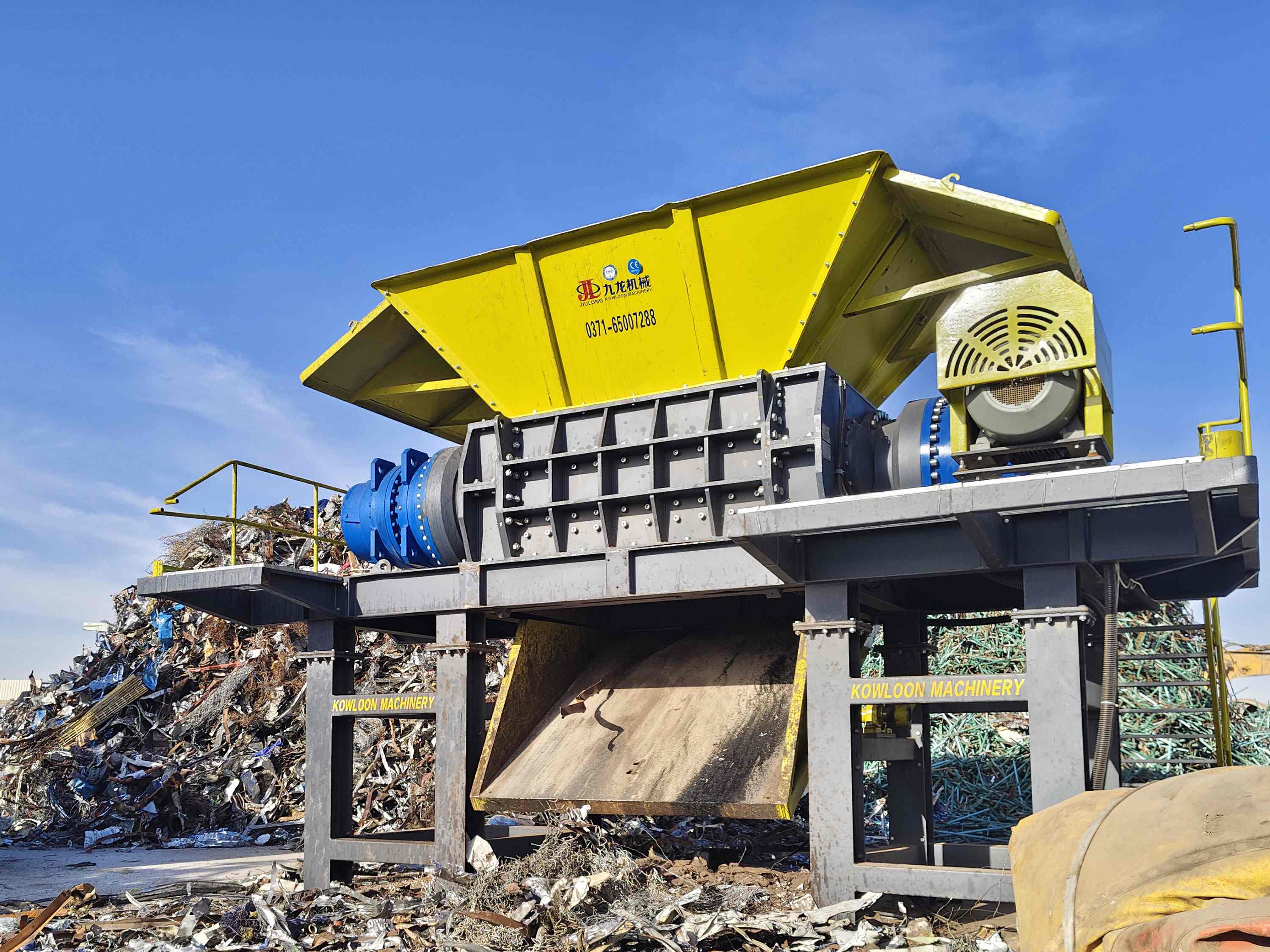
Traditional metal production leans heavily on smelting, a process notorious for guzzling vast amounts of energy. Furnaces roar at staggering temperatures, melting ore to extract base metals, and in many plants, this method has barely changed for decades. The sheer scale of electricity and fuel burned not only drives up costs but also places a heavy burden on the environment. Yet, a quiet shift is underway, with breakthroughs that bypass or overhaul these archaic steps, slicing through the energy demand without sacrificing output.
One avenue slashes energy by eliminating heat altogether. Hydrometallurgical techniques dissolve metals at ambient temperatures using carefully tailored chemical solutions, sidestepping the infernos of old. Another leap comes from direct sorting and sensor-based separation, which purifies ores before they ever face a flame, cutting waste and redundant processing. On the digital front, real-time analytics and adaptive controls fine-tune every stage, from grinding to electrolysis, snuffing out inefficiencies that human operators might miss. Together, these innovations chip away at the energy drain, proving that the future of metals isn’t just about cleaner fuels—it’s about rethinking the entire sequence from rock to refined material.
Closing Loops Without Compromising Quality
Achieving circularity in production often raises a red flag: can we truly close material loops without a drop in performance? The assumption that recycled or repurposed resources inherently underperform is outdated. Through advanced sorting, cleaning, and reprocessing techniques, materials can now match or even surpass the quality of virgin inputs. The secret lies in precision—targeting specific waste streams and refining them into high-purity bases for new products. This approach not only preserves technical integrity but also unlocks a new level of material efficiency that linear models simply cannot offer.
Of course, maintaining quality hinges on rethinking product design from the start. Instead of bolting recycled content onto existing formulas, forward-thinking teams integrate circular principles into the DNA of their goods. They select materials that endure multiple lifecycles without degradation, modularize components for easy disassembly, and build in redundant strength where needed. By doing so, they create a supply chain where end-of-life items become valuable feedstock, not downgraded scrap. The result is a self-sustaining ecosystem where quality and circularity reinforce each other.
It’s a shift that demands more than technology; it requires a cultural commitment to seeing waste as a design flaw. When companies treat recovered materials with the same rigor as virgin resources, the notion of compromise disappears. Testing, certification, and continuous improvement become the backbone of a closed-loop system. Ultimately, the question isn’t whether we can close loops without cutting corners—it’s how quickly we can scale the methods that already prove it’s possible.
From Waste Streams to Production Dreams
Every day, factories and cities produce mountains of what we call waste—scrap metal, plastic offcuts, food remnants, and chemical byproducts. For decades, these streams were simply buried or burned, seen as the inevitable exhaust of modern life. But a quiet revolution is flipping that script. Engineers and entrepreneurs are now reimagining waste not as an endpoint, but as the starting material for entirely new supply chains. A pile of discarded orange peels might become high-end fabric; carbon-rich fly ash could strengthen concrete while locking away greenhouse gases. This isn't just recycling—it's redesigning the very idea of production, where one industry's leftovers feed another's hunger for raw materials.
What makes this shift so compelling is the blend of old-world ingenuity and cutting-edge science. In one corner, a start-up uses bacteria to ferment industrial gases into ethanol that fuels jets. In another, construction crews turn plastic bottles into lightweight, durable bricks that snap together like Lego. These aren't pilot projects destined to gather dust; they're scaling up, slashing costs, and challenging the assumption that virgin resources are always cheaper. The economics finally make sense because the true price of extraction—polluted rivers, smog-choked skies—is becoming harder to ignore. By tapping into waste streams, companies aren't just saving the planet; they're securing a buffer against volatile commodity markets and tightening regulations.
The real magic happens when waste streams are matched with production dreams that seem unrelated. Imagine a brewery whose spent grains power a neighboring bakery's ovens, or a data center whose waste heat warms a greenhouse growing tropical fruit in winter. These loops don't just reduce landfill; they create tight-knit local economies where materials flow in circles rather than straight lines. Of course, hurdles remain: logistics, purity, and outdated mindsets. But each successful project whispers a radical idea—that in a world of finite resources, our discards might hold the blueprint for everything we need.
Why Manufacturers Are Rethinking Their Material Sources
Supply chain disruptions and geopolitical uncertainties have forced manufacturers to look beyond traditional sourcing models. The pandemic-era breakdowns taught a harsh lesson: reliance on a single region or supplier can halt production overnight. Today, resilience is not just a buzzword—it’s a blueprint for survival. Companies are diversifying their supplier base, often bringing inventory closer to assembly plants, and building redundancy into their networks. This shift isn’t just about avoiding risk; it’s creating opportunities to tap into local expertise and reduce lead times, turning a defensive move into a competitive edge.
Sustainability pressures are reshaping procurement from a cost-driven function to a values-driven one. Customers, investors, and regulators demand transparency: where do the raw materials come from, and under what conditions? Manufacturers are responding by vetting sources for ethical extraction, carbon footprint, and circular economy potential. Recycled metals, bio-based polymers, and certified conflict-free minerals are no longer niche—they’re becoming baseline requirements. The challenge is balancing these priorities with cost and availability, but those who get it right build brand loyalty that price wars can’t erode.
Digital tools are enabling a smarter approach to material sourcing. Predictive analytics flag potential shortages before they cripple production, while blockchain provides a tamper-proof record of a material’s journey from mine to factory floor. This data-rich environment lets manufacturers swap out risky suppliers in real time and model different sourcing scenarios. It’s a far cry from the era of spreadsheets and phone calls, and it’s empowering smaller players to compete with giants, leveling a field long dominated by sheer scale.
The Hidden Costs of Ignoring Advanced Recycling
When advanced recycling is dismissed as impractical or too expensive, the real price often lies beneath the surface. Municipalities may cling to outdated waste management systems, unaware that the status quo quietly drains budgets through rising landfill fees and lost resource value. Materials that could be recovered and reintegrated into supply chains instead rot in dumps, accelerating the need for virgin resource extraction. This cycle not only burdens taxpayers but also locks communities into a linear take-make-dispose model that stifles innovation and long-term economic resilience.
Beyond the balance sheet, there are social and environmental tolls that rarely make headlines. Contaminated recycling streams from inadequate sorting lead to higher rejection rates, meaning more plastic ends up incinerated or in waterways, disproportionately affecting vulnerable neighborhoods. The hidden costs show up in healthcare expenses linked to pollution, in cleanup efforts for littered landscapes, and in the missed opportunity to build local green jobs. Ignoring advanced recycling creates a ripple effect where short-term savings mask a growing debt paid in public health, ecological damage, and missed economic potential.
FAQ
New type metal recycling refers to advanced processes that use innovative technologies like sensor-based sorting, electrochemical extraction, and AI-driven separation. Unlike traditional methods that often rely on high-energy smelting and produce significant emissions, these modern techniques are more precise, consume less energy, and can recover a wider range of metals from complex waste streams, including alloys and electronic scrap.
Metal recycling drastically reduces the need for virgin ore mining, which is environmentally destructive and energy-intensive. By reintroducing recycled metals into the production cycle, manufacturers can cut carbon emissions, conserve natural resources, and minimize landfill waste. It effectively closes the loop, turning end-of-life products into valuable raw materials for new goods.
Key challenges include the growing complexity of products (such as multi-material composites and miniaturized electronics), contamination of scrap streams, volatile commodity prices, and a lack of standardized collection and sorting infrastructure. Additionally, many advanced recycling technologies are still expensive to deploy at scale, limiting adoption.
By substituting recycled metal for primary metal, companies can avoid the majority of emissions associated with mining, transporting, and smelting ore. For example, producing aluminum from recycled material uses up to 95% less energy. Advanced recycling also improves material yield, meaning less waste and fewer resources spent on disposal, further shrinking the overall carbon footprint.
One standout is X-ray transmission sorting, which can identify and separate metals based on atomic density even when they are mixed in shredded scrap. Another is bioleaching, where microorganisms extract metals from low-grade ores or e-waste without harsh chemicals. Both enable recovery of critical metals like lithium, cobalt, and rare earths that are essential for batteries and renewable energy systems.
Metal recycling is a perfect fit for the circular economy because metals can be recycled indefinitely without losing their properties. New recovery techniques make it possible to reintroduce high-purity metals back into manufacturing, keeping them in use for as long as possible. This reduces dependency on finite resources and creates a regenerative system where waste is designed out.
Governments are increasingly implementing extended producer responsibility (EPR) laws, landfill bans on recyclable metals, and incentives for using recycled content. These policies push manufacturers to design for recyclability and invest in recycling infrastructure, accelerating the shift toward sustainable manufacturing. International cooperation on waste shipment regulations also helps ensure that metals are processed responsibly.
Manufacturers should start by auditing their material flows to identify metal waste sources and potential for recovery. Partnering with specialized recycling firms that use advanced technologies can secure a steady supply of high-quality recycled feedstock. They should also redesign products for easier disassembly and material separation, and advocate for industry standards that promote recycled content uptake.
Conclusion
A quiet transformation is reshaping the world of metal recycling, moving far beyond the brute-force energy demands of traditional smelting. Advanced processes now dismantle scrap with precision, recovering high-purity metals while slashing energy use. This shift isn't just about efficiency—it's enabling true closed-loop systems where recycled materials match virgin quality, turning what was once waste into a direct feed for manufacturing lines. The old image of dirty, degraded scrap is fading as new technologies make it possible to reclaim valuable alloys without compromise, fueling a silent revolution that's redefining industrial supply chains.
For manufacturers, the equation is changing. The hidden costs of ignoring these advanced methods—volatile raw material prices, regulatory pressures, and mounting environmental tolls—are pushing them to rethink material sources. By integrating recycled content that meets stringent performance standards, companies are not only cutting carbon footprints but also insulating themselves from resource scarcity. This is more than an environmental gesture; it's a strategic pivot toward resilient, cost-effective production. As the loop between waste streams and high-end goods tightens, those who embrace this new paradigm are finding that sustainable manufacturing isn't a distant ideal—it's a competitive reality already taking shape on factory floors.
Contact Us
Contact Person: Ray
Email: [email protected]
Tel/WhatsApp: +86 13733817580
Website: https://www.zzkowloon.com/