

OEM Custom Breathable Membrane for House Wrap: Why It Matters
2026-06-21
When constructing a durable, energy-efficient home, the choice of house wrap plays a pivotal role—but not all solutions fit every project. That's where OEM custom breathable membranes come in, offering tailored performance that generic options simply can't match. At Jinbo, we understand that builders and architects need more than off-the-shelf products; they demand precise moisture management and air sealing that adapts to unique climates and designs. In this post, we'll uncover why customization matters and how it can elevate your next build.
The Science Behind Moisture Control in Building Envelopes
Moisture movement in building envelopes is governed by a combination of physics principles, including diffusion, capillary action, and air transport. Vapor diffusion occurs when there is a difference in water vapor pressure between the interior and exterior, driving moisture through permeable materials. Capillary suction, on the other hand, can draw liquid water into tiny pores of materials like brick or concrete, often from wet soil or rain-soaked surfaces. Air leakage, driven by wind or stack effect, can transport significantly more moisture into wall cavities than diffusion alone, making airtightness a critical factor in moisture control.
The interaction between temperature, humidity, and material properties determines where and when condensation might form within the assembly. As warm, humid air infiltrates a wall in cold climates, it cools as it migrates outward, potentially reaching the dew point and depositing liquid water on sheathing or insulation. This hidden moisture can foster mold growth, rot structural framing, and degrade insulation performance. Understanding the hygrothermal behavior of each layer—its permeability, thermal resistance, and storage capacity—allows designers to place vapor retarders correctly, balancing inward and outward drying potential.
Advanced modeling tools now enable dynamic simulations that account for local climate data, material aging, and seasonal changes. Rather than relying on simplistic “warm-side” vapor barrier rules, practitioners can assess the actual moisture risk through whole-building hygrothermal analysis. This science-based approach helps avoid common failures like trapped moisture in flat roofs or double vapor barriers in mixed climates. Ultimately, effective moisture management relies on integrating water-resistive barriers, sufficient drainage, and smart vapor control layers that respond to both vapor drive and liquid water intrusion, ensuring long-term durability.
Customizing Breathability for Regional Climate Demands
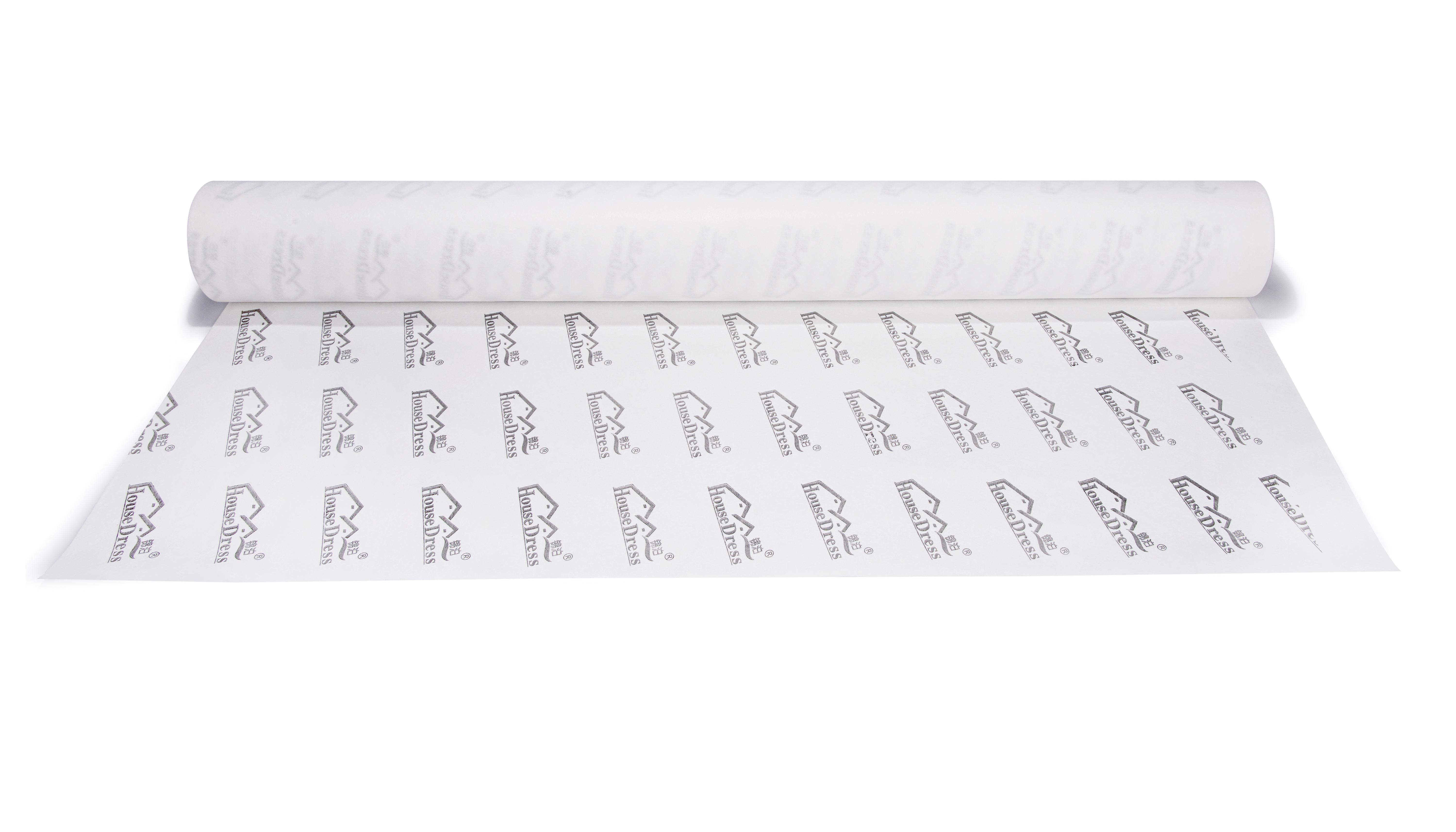
When designing outdoor gear, breathability isn’t a one-size-fits-all feature. A jacket that performs flawlessly in the humid subtropics might leave you shivering in a dry alpine breeze. The true challenge lies in understanding how moisture vapor transfer interacts with ambient humidity and temperature, and then tailoring fabric systems to match. In muggy regions, where the air is already saturated, membranes need a more aggressive moisture pump—often achieved through mechanical venting or hydrophilic chemistry that thrives on the vapor pressure gradient. But in arid highlands, that same approach could lead to overcooling and excessive moisture loss, demanding a more balanced, often moisture-retentive design.
Regional customization often starts with the membrane choice itself. Electrospun polyurethane layers can be tuned for pore size and density, directly controlling the diffusion rate. For tropical rainforests, a thinner, highly porous membrane accelerates escape, while for windy steppes, a denser structure cuts convective heat loss without sacrificing passive vapor flow. Then come the liners and face fabrics—a mesh backer that wicks and spreads sweat works wonders in dry heat, but in damp climes it might just hold liquid, inviting chill. Instead, raised inner patterns or hydrophobic treatments keep the skin drier when every gram of sweat counts.
Ventilation features also get a geographic remix. Zippered vents under the arms or across the back can be game-changers for summer monsoons, yet they become liabilities in dusty deserts where fine grit would invade. There, designers often rely on breathable stretch panels woven from hollow-core yarns that regulate microclimate passively. The key is never assuming that a high breathability number alone solves the problem. It’s about pairing the right vapor transmission curve with the typical weather rhythm of a place—morning fog, midday scorchers, evening stillness—so the user stays comfortable without thinking about the gear.
Material Longevity and Performance Under Real-World Conditions
When materials face the unpredictability of actual environments, their lifespan depends on far more than controlled lab data. Sunlight, temperature swings, humidity, and physical wear combine in ways that accelerate aging in unexpected patterns. A polymer that looks stable on paper might develop microcracks after a year of freeze-thaw cycles, while a metal coating could lose adhesion due to salt spray and UV exposure working together. These real-world interactions often bypass standard accelerated tests, leaving designers guessing until field failures happen.
True durability is revealed only through long-term deployment in the target setting. Subtle degradation mechanisms, like hydrolysis in seemingly dry climates or galvanic corrosion from mixed materials, often emerge after multiple seasons. The performance decline isn't always linear; a composite may hold up well for months before a sudden drop in tensile strength. Tracking these changes demands continuous monitoring, yet many product cycles skip this step, relying on early-stage data that misses late-onset failures. Without this insight, material choices become a gamble rather than a strategy.
Optimizing for longevity means balancing inherent material properties with environmental adaptation. Surface treatments, protective layers, or even minor compositional adjustments can make a radical difference when they address the specific stressors a product will face. For instance, adding UV stabilizers might matter more than tensile strength in outdoor applications, while moisture resistance becomes critical in coastal installations. Real-world testing closes the gap between theoretical material science and practical reliability, creating products that age gracefully rather than degrading unexpectedly.
How Precision Manufacturing Reduces On-Site Installation Errors
When components are fabricated with high dimensional accuracy in a controlled factory environment, the variability that often plagues construction sites is drastically reduced. Each piece is engineered to fit seamlessly into a larger assembly, meaning that teams on the ground spend less time adjusting, cutting, or re-drilling parts to compensate for mismatches. This precision eliminates the guesswork that typically arises from manual measurements taken in unpredictable field conditions, where dust, weather, and human error can easily distort readings. As a result, the structure comes together more rapidly, with fewer interruptions for rework.
The consistency offered by advanced manufacturing techniques also simplifies the alignment of critical interfaces, such as bolted connections and welded joints. Tolerances are kept to a minimum, so elements like steel beams, pre‑cast panels, and pipe spools align perfectly on the first attempt. This not only accelerates the erection sequence but also reduces the cumulative errors that can cascade through a project when even slightly off‑spec parts are forced into place. Installers can follow a predictable rhythm, confident that every delivered piece will mate with its counterpart without forcing or field modifications.
Digital integration between design models and production machinery further tightens the loop. By directly translating 3D coordinates into toolpaths, manufacturers eliminate the translation errors introduced by interpreting two‑dimensional drawings. This digital thread ensures that what is modeled becomes what is built, leaving no room for the discrepancies that lead to misalignment during assembly. The result is a site where the work flows steadily, and the need for costly, time‑consuming corrections is largely designed out before the first truck ever arrives.
Balancing Air Tightness and Vapor Permeability in Modern Homes
In the quest for energy efficiency, modern homes have become remarkably airtight, slashing heating and cooling losses. Yet, this very efficiency can trap moisture inside, leading to condensation, mold, and structural decay. The solution isn't to abandon airtightness but to intelligently manage vapor flow, ensuring walls can dry when they get wet. This balance hinges on selecting materials with the right vapor permeability and designing assemblies that account for climate, occupancy, and building use. It's a delicate dance between keeping conditioned air in and letting water vapor out, one that demands both science and craft.
The key concept here is vapor permeability, often measured in perms, which indicates how easily water vapor passes through a material. In cold climates, vapor barriers on the warm side of the insulation prevent indoor moisture from condensing within the wall. In hot, humid zones, the opposite approach may be needed—keeping exterior moisture from migrating inward. But rigid rules can fail; dynamic situations call for smart vapor retarders that adapt their permeability based on humidity levels. Such technology allows walls to stay tight in winter but open up during summer, offering a nuanced defense against moisture buildup.
Real-world performance also depends on construction details and material compatibility. A well-sealed building envelope with continuous insulation, flashed windows, and airtight drywall approaches can dramatically reduce air leakage while still allowing vapor diffusion where needed. Builders are increasingly turning to products like fluid-applied membranes and variable-permeance sheathing, which can be tuned to specific regional climates. Ultimately, balancing air tightness and vapor permeability is not a one-size-fits-all formula—it's an ongoing dialogue between building science and the local environment, ensuring homes stay healthy, durable, and efficient for decades.
The Hidden Cost of Off-the-Shelf House Wrap Solutions
Many builders grab standard house wraps off the shelf without realizing they're often paying for more than just the material. These products might seem cheaper upfront, but they can trap moisture if not installed perfectly, leading to mold and rot that demand expensive fixes later. The initial savings vanish when callbacks start piling up.
Another overlooked issue is the time lost during installation. Off-the-shelf wraps rarely account for regional climate quirks, meaning crews spend extra hours taping seams or wrestling with fragile sheets that tear in wind. That labor isn't free, and it eats into margins while delaying project timelines. Over years, the cumulative hidden costs from energy leaks and maintenance make that budget-friendly wrap anything but.
FAQ
A breathable membrane is a thin layer of material that allows water vapor to escape from inside a building while preventing liquid water from entering. It acts like a shield: moisture generated from cooking, showers, or breathing can pass through, but rain and external dampness stay out. This helps keep the wall cavity dry and reduces the risk of mold or rot.
An OEM custom solution lets builders get exactly what they need without compromise. Instead of adapting to a generic product, they can specify the membrane's thickness, width, UV resistance, or even branding. This flexibility can lead to faster installation, better performance in specific climates, and a consistent supply chain tailored to their projects.
When the membrane is tailored to local weather or construction methods, it manages moisture more effectively. For instance, in humid areas, higher vapor permeability prevents condensation inside the wall. In windy regions, a reinforced version resists tearing. This precision helps the building envelope last longer and reduces maintenance costs over time.
Often, yes. Because OEM membranes can be pre-cut to specific sizes or have customized markings for overlaps, installation becomes quicker and less error-prone. Workers don't waste time trimming excess material or guessing lap distances. It's a simpler, more streamlined process that can save hours on a big project.
A breathable membrane helps maintain the effectiveness of insulation. If moisture gets trapped inside a wall, insulation can become damp and lose its thermal resistance. By letting that moisture escape, the membrane keeps insulation dry and performing as intended, which means less heat loss in winter and less heat gain in summer, ultimately cutting energy bills.
Absolutely. A reputable OEM manufacturer will test their membranes to comply with relevant standards like vapor transmission, fire resistance, and tensile strength. Customization doesn't mean cutting corners—good suppliers ensure the product meets or exceeds all necessary regulations, often providing certification for peace of mind.
Consider the scale and specific needs. If you're building many homes with similar designs, or if your project has unique climate challenges, a custom membrane can pay off quickly through labor savings and long-term performance. A smaller one-off build might be fine with stock options, but for volume builders, the benefits are harder to ignore.
Check their track record with similar projects, ask about minimum order quantities, lead times, and how they handle quality control. A good partner will offer technical support, share testing data openly, and be willing to iterate on samples until you're satisfied. Also, look for clear communication and the ability to scale production if your demand grows.
Conclusion
Understanding moisture dynamics within building envelopes is critical to long-term structural health. An OEM custom breathable membrane allows for precise moisture management by tailoring vapor permeability to the specific demands of a project's climate zone. Rather than relying on generic products that offer a one-size-fits-all approach, customized solutions consider regional humidity, temperature swings, and seasonal weather patterns. This science-driven customization not only prevents trapped moisture that can lead to mold and rot but also enhances the drying potential of wall assemblies. Real-world performance depends on how well the membrane withstands UV exposure, temperature fluctuations, and mechanical stress during and after construction. Custom membranes are often designed with these factors in mind, ensuring they maintain their integrity over the building's lifespan. The durability of such materials is not an afterthought but a core design parameter, which drastically reduces the risk of premature failure.
Precision manufacturing plays a vital role in minimizing on-site installation errors. OEM customization allows for pre-cut dimensions, integrated installation aids, or even unique markings that guide contractors, cutting down labor time and reducing waste. Beyond ease of installation, modern high-performance homes demand a careful balance between air tightness and vapor permeability. Custom membranes can be engineered to meet exact specifications, achieving superior air barriers while still allowing the wall to breathe appropriately. This balance is hard to achieve with off-the-shelf products, which often force builders to compromise. Additionally, the hidden costs of generic house wraps—frequent callbacks, moisture-related damage, and energy inefficiency—far outweigh the upfront savings. Investing in an OEM custom breathable membrane is a strategic decision that pays off through enhanced building performance, longevity, and reduced lifecycle costs.
Contact Us
Contact Person: Miranda
Email: [email protected]
Tel/WhatsApp: +8615231299719
Website: https://www.ihousewrap.com/