

OEM UL FM Alarm Check Valve Guide: Essential Safety Features for Industrial Systems
2025-12-28
In today's industrial landscape, ensuring the safety and reliability of systems is paramount. The OEM UL FM Alarm Check Valve plays a critical role in maintaining safety standards, acting as a key component in controlling and monitoring fluid flow. Whether you're an engineer, a plant manager, or a safety professional, understanding this guide will help you optimize system performance and prevent costly failures. At DRIFCO, we recognize the importance of integrating these essential safety features into industrial setups, and we’re excited to share insights that could transform how you approach valve selection and maintenance. Dive in to learn how leveraging these elements can enhance operational efficiency and compliance in your facilities.
Understanding the Importance of Alarm Check Valves in Industrial Safety
Alarm check valves are critical components in industrial safety systems, particularly within fire protection networks. They serve as specialized valves that monitor water flow and trigger alarms when a predetermined flow rate is detected, signaling potential leaks or active firefighting efforts. This immediate notification allows personnel to respond swiftly, preventing small issues from escalating into catastrophic failures. In high-risk environments like chemical plants or manufacturing facilities, where delays can lead to severe damages or injuries, these valves act as an early-warning system, ensuring that safety protocols are activated without hesitation.
Beyond basic alarm functions, these valves incorporate check mechanisms to prevent backflow, which safeguards water supply integrity and maintains consistent pressure in sprinkler systems. This dual role enhances reliability during emergencies, as it ensures that water is available when needed most. Regular inspections and maintenance of alarm check valves are essential to avoid false alarms or malfunctions, which could compromise safety. By integrating seamlessly with automated control systems, they provide real-time data that helps in predictive maintenance and operational efficiency, making them indispensable in modern industrial settings.
In practice, the importance of alarm check valves extends to regulatory compliance, as many industries must adhere to strict safety standards set by organizations like NFPA or OSHA. Non-compliance not only risks penalties but also endangers lives. Investing in high-quality valves and proper training for staff on their operation can significantly reduce accident rates and downtime. Ultimately, these valves represent a proactive approach to safety, transforming reactive measures into preventive strategies that protect assets and human lives, thereby fostering a culture of vigilance and resilience in industrial operations.
Key Components and Design Features of UL FM-Approved Valves
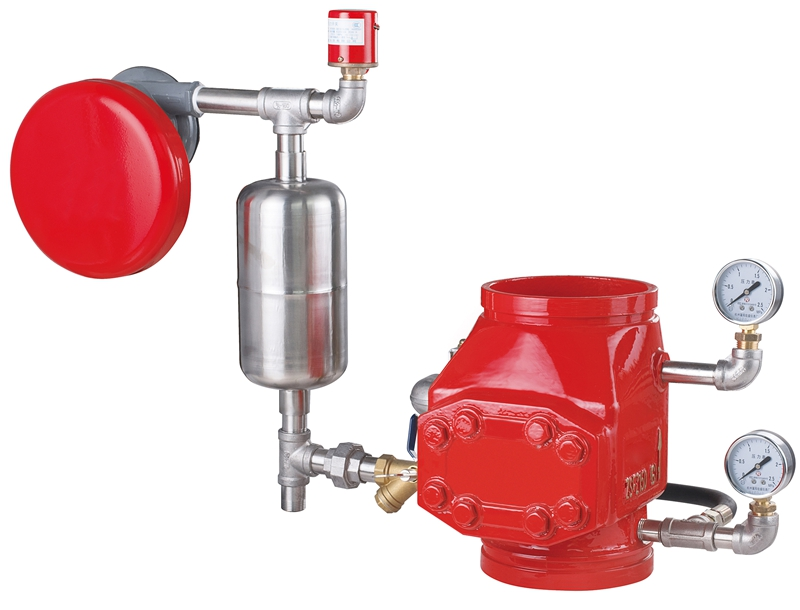
When you're dealing with fire protection systems, UL FM-approved valves aren't just another component—they're the critical link ensuring everything works when it matters most. These valves typically include a sturdy body cast from durable materials like bronze or iron, designed to withstand harsh environments and high pressures. Key internal parts often feature corrosion-resistant trim, such as stainless steel seats and discs, which maintain sealing integrity over time. The valve design incorporates precise machining to prevent leaks, while ergonomic handwheels or actuators allow for smooth operation during emergencies, ensuring quick response without jamming.
Beyond the basics, what sets these valves apart are their advanced design features tailored for reliability. Many models integrate a spring-loaded mechanism that automatically resets after activation, reducing downtime and maintenance needs. The valve's flow path is optimized to minimize pressure drops, ensuring consistent water supply to sprinklers or hydrants. Additionally, tamper switches and supervisory indicators are often built-in, providing real-time monitoring and alerts if the valve is closed or malfunctioning. These features work together to create a robust system that not only meets but exceeds safety standards, giving peace of mind in high-risk settings.
From a practical standpoint, UL FM-approved valves are engineered with user convenience and longevity in mind. They frequently come with weather-resistant coatings or enclosures for outdoor installations, protecting against extreme temperatures and moisture. The design also emphasizes ease of maintenance, with accessible inspection ports and replaceable seals that simplify repairs without full disassembly. By blending heavy-duty construction with smart features, these valves deliver unmatched performance in fire suppression, making them a trusted choice for architects and engineers aiming to build safer structures.
Step-by-Step Installation and Proper Mounting Procedures
First, ensure you have all the necessary tools and components on hand before beginning. It's a good practice to read through the manufacturer's instructions thoroughly, though sometimes they can be a bit cryptic. Start by confirming the mounting surface is clean, level, and sturdy enough to support the weight—skipping this step could lead to wobbling or damage down the line. Then, mark the positions accurately using a tape measure and pencil, double-checking alignment before drilling any holes. This careful preparation saves time and frustration, making the whole process smoother and more reliable.
Next, proceed with the actual installation, securing brackets or anchors as specified. Use the correct screws or bolts provided, and avoid overtightening, as this might strip threads or crack materials. If multiple units are involved, install them in sequence, ensuring each one is properly aligned with the others. For instance, when mounting shelves, place spacers evenly and check with a spirit level after each step. Don't rush; taking breaks to reassess can prevent mistakes that are hard to fix later. Some people find it helpful to have a second person assist with holding heavier items, which can boost safety and precision.
Finally, complete the mounting by attaching the main component and performing a thorough safety check. Gently test the stability by applying light pressure or adding weight gradually, listening for any creaks or shifts. Make any minor adjustments now, such as tightening loose connections or realigning parts. Once satisfied, clean up the work area and dispose of packaging responsibly. Remember, proper mounting isn't just about getting it up—it's about ensuring longevity and safety, so revisit the setup periodically to confirm everything remains secure over time.
Routine Maintenance and Inspection to Ensure Optimal Performance
Being proactive with routine maintenance and regular inspections can make all the difference in how well your equipment operates over time. It's not just about ticking boxes on a checklist; it's about paying close attention to the small details that might otherwise go unnoticed. By scheduling these tasks consistently, you can catch potential issues early, before they escalate into costly repairs or unexpected downtime that disrupts your workflow.
Think of it as giving your machinery a periodic health checkup—much like you would with your own well-being. This approach allows you to monitor wear and tear on critical components, such as filters, belts, or software updates, ensuring everything runs smoothly and efficiently. Over time, this diligent care can extend the lifespan of your assets and improve overall reliability, keeping performance at its peak without sudden interruptions.
In practice, setting up a clear maintenance schedule tailored to your specific needs helps create a culture of accountability and foresight within your team. It encourages everyone to stay engaged with the equipment they use daily, fostering a deeper understanding of its operation and maintenance requirements. This hands-on involvement often leads to more intuitive problem-solving and a safer working environment, where optimal performance becomes a natural outcome of regular, attentive care.
Common Issues and Troubleshooting Tips for Reliable Operation
When aiming for reliable operation, it's common to encounter performance glitches or unexpected downtimes that can disrupt workflows. For instance, slow loading times might stem from overloaded servers, while connectivity issues often arise from outdated software or misconfigured network settings. Addressing these proactively involves regular system checks and updates, ensuring that hardware and software are aligned with operational demands. By identifying root causes early—like monitoring resource usage and testing under various conditions—you can prevent minor hiccups from escalating into major outages.
Maintaining reliability also requires a keen eye on data integrity and security vulnerabilities, which can compromise operations if left unchecked. If errors crop up, start by reviewing recent changes or updates that might have introduced conflicts; sometimes, rolling back to a stable version or applying specific patches can resolve issues swiftly. Keeping detailed logs and documentation aids in tracing problems back to their source, making troubleshooting more efficient. Emphasizing preventive maintenance, such as scheduled backups and redundancy planning, further reduces risks and enhances overall system resilience.
In practice, fostering a reliable environment means blending technical know-how with practical strategies. Encourage teams to share insights and solutions from past incidents, as this collective knowledge speeds up resolution times. For complex issues, break down troubleshooting into manageable steps—test components individually, consult vendor resources, or leverage community forums when needed. Ultimately, reliability isn't just about fixing problems as they appear but building a robust framework that anticipates challenges and adapts smoothly, ensuring operations run seamlessly over the long haul.
Benefits of Choosing OEM Valves for Enhanced System Longevity
When it comes to maintaining the integrity of your industrial systems, opting for OEM valves rather than generic alternatives can be a game-changer. These components are specifically engineered by the original manufacturer to match the exact specifications and performance requirements of your equipment. This precision fit minimizes wear and tear on adjacent parts, reduces the risk of leaks, and helps maintain optimal pressure levels. By ensuring seamless compatibility, OEM valves prevent the kind of mismatches that often lead to premature failures, thereby extending the overall lifespan of your system with less downtime.
Beyond mere compatibility, OEM valves often come with superior materials and construction techniques that are rigorously tested under real-world conditions. Manufacturers invest heavily in research to develop valves that resist corrosion, handle high temperatures, and withstand mechanical stress over long periods. This attention to detail translates to fewer replacements and repairs, saving you both time and money in the long run. By choosing OEM, you're not just buying a part—you're investing in reliability that keeps your operations smooth and predictable year after year.
Another key advantage lies in the support and expertise that accompany OEM products. Manufacturers provide detailed documentation, technical support, and sometimes custom solutions tailored to your specific system needs. This proactive approach helps address potential issues before they escalate, fostering a culture of preventative maintenance rather than reactive fixes. In industries where even minor inefficiencies can lead to significant losses, leveraging OEM valves becomes a strategic move to enhance durability and ensure your system runs efficiently for its intended lifespan.
FAQ
OEM UL FM alarm check valves include integrated alarm switches that trigger alerts upon valve operation, ensuring immediate notification of flow changes, unlike basic check valves that lack monitoring capabilities.
UL certification ensures compliance with safety standards for electrical components, while FM approval verifies performance in fire protection, together guaranteeing high reliability in critical applications like sprinkler systems.
Yes, manufacturers often offer customization with materials like stainless steel or special coatings, allowing adaptation to harsh conditions while maintaining UL FM compliance for safety.
Regular inspections for leaks, testing alarm mechanisms semiannually, and cleaning internal components to prevent debris buildup are key to sustaining performance and safety.
The alarm typically outputs electrical signals (e.g., dry contacts) that connect to control panels or SCADA systems, enabling seamless integration for real-time oversight and automated responses.
Avoid improper orientation (e.g., installing upside down), insufficient support piping, and failing to calibrate alarms post-installation, as these can compromise valve operation and safety features.
They are crucial in fire protection systems, data centers, chemical plants, and manufacturing facilities where early detection of flow issues prevents costly downtime or hazards.
While upfront costs are higher than non-certified valves, the investment pays off through reduced risk of system failures, lower insurance premiums, and compliance with regulatory standards.
Conclusion
The OEM UL FM Alarm Check Valve Guide underscores the critical role these valves play in industrial safety systems, emphasizing their importance in preventing catastrophic failures. Understanding the essential features of UL FM-approved valves highlights how their robust components and innovative designs provide reliable fire protection, ensuring they meet rigorous standards for performance and durability in demanding environments.
Proper installation and routine maintenance are key to maximizing valve efficiency, as detailed in the guide's step-by-step procedures. By addressing common issues through troubleshooting tips and opting for OEM valves, industries can enhance system longevity and operational reliability, ultimately contributing to safer and more resilient industrial infrastructures that prioritize long-term safety and compliance.
Contact Us
Contact Person: George
Email: [email protected]
Tel/WhatsApp: 13863633883
Website: https://www.es-fire.com