

Professional Auto Flavoring Machine: The Future of Automated Seasoning
2026-07-19
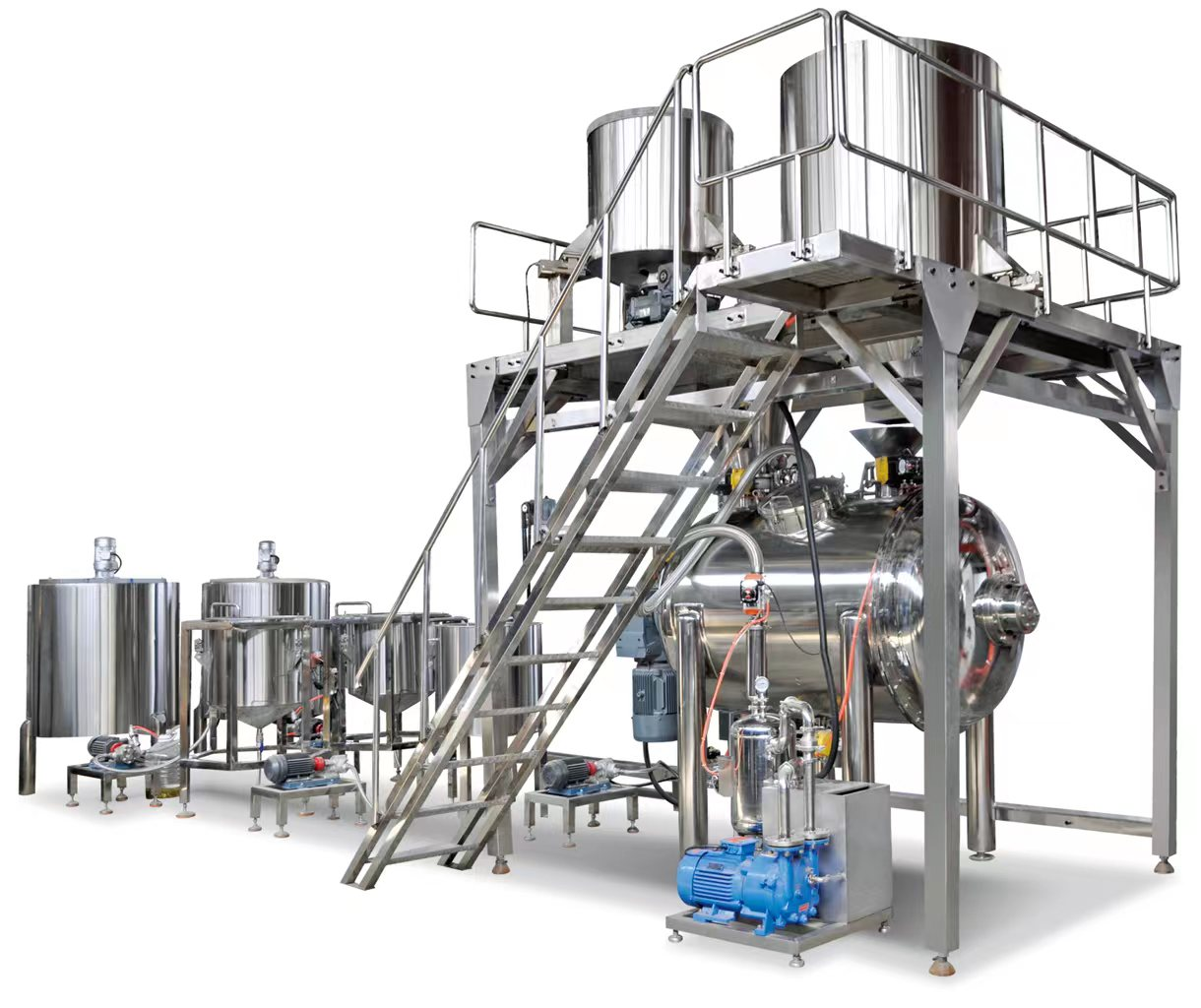
In a world where consistency and efficiency reign supreme, the professional auto flavoring machine is revolutionizing how we season snacks. Imagine a system that delivers perfect flavor coating every time, without the mess or manual labor. This is no longer a futuristic dream—it's reality, and MINGDE is at the forefront of this automated seasoning transformation. If you're curious about how this technology can elevate your production line, you're in the right place.
Seasoning Precision Meets Unmatched Speed
Achieving the perfect balance of flavors typically demands time and careful measurement, yet our system redefines that equation. With intelligent sensors and instantaneous adjustments, every sprinkle, dusting, or coating hits the exact target profile—no guesswork, no delay.
Whether you're running a high‑throughput production line or crafting small batches, the fusion of precision and rapid action keeps your workflow seamless. Seasoning is dispensed at lightning speed, adhering uniformly to each piece, so you never have to pause for recalibration.
The outcome is a product that tastes consistently impeccable, batch after batch. By eliminating bottlenecks and flavor inconsistencies, you gain back hours while delivering a superior eating experience—proof that accuracy and velocity can coexist beautifully.
Why Manual Flavoring Is Holding Your Kitchen Back
Picture your busiest dinner rush. Orders are stacking up, and every second counts. Yet there’s your chef, hovering over a single pan, carefully pinching salt, drizzling oil, and tasting again. This manual approach doesn’t just drag down speed—it injects unpredictability into every plate. One slightly heavy hand with the paprika, and a signature dish suddenly tastes foreign. Consistency is the heartbeat of a thriving kitchen, and when flavoring relies on human touch alone, that heartbeat stutters.
Think about the training burden you’re carrying. New hires spend weeks shadowing veterans, just to learn the “right” way to season a sauce that should be foolproof. Even then, subtle variations creep in—a rushed cook might skip a step, a tired palate misjudges acidity. You’re not building a menu; you’re managing a collection of individual cooking styles, all disguised as your restaurant’s brand. This reliance on gut instinct turns simple scaling into a nightmare.
And let’s talk about waste—the silent profit killer. Those tasting spoons, the over-seasoned batches that get tossed, the last-minute remakes because a dish feels “off” to the one person who tastes it. Precious ingredients and time vanish, all because manual flavoring treats each order like a bespoke experiment. A kitchen that can’t replicate its own magic quickly finds itself trapped in a cycle of mediocrity, no matter how talented the staff.
The Secret to Consistent Taste in Every Batch
Anyone who’s ever chased that elusive, perfect flavor knows the pain of variation—one batch hits all the right notes, the next falls flat. The secret isn’t hidden in a single ingredient or a fancy technique; it lives in the quiet discipline of documentation and sensory calibration. Before you even reach for a spoon, define what “right” tastes like. Create a golden sample, a physical reference that embodies the ideal balance of sweetness, acidity, bitterness, and texture. Then, commit every step to paper: times, temperatures, exact sources, even the humidity that day. This isn’t about rigidity; it’s about building a language your team can speak fluently, transforming instinct into a reproducible craft.
At the heart of consistency lies ingredient intimacy. Spices vary from harvest to harvest, vanilla extract ages, and flour absorbs moisture differently with the seasons. Rely on scales, never volume, and taste your raw materials before each use. Adjust liquids or aromatics based on how the ingredient behaves today, not how it behaved last month. Small lot sizes and pre-blended dry mixes can buffer against drift, but they’re no substitute for a palate that detects a whisper of change and knows how to gently nudge the formula back into harmony.
Ultimately, consistency isn’t a solo act; it’s a culture. Train your team to taste critically and articulate what they’re sensing with words like “flat,” “bright,” or “cloying” rather than just “good” or “bad.” Rotate who leads the tasting panel so no single palate becomes the unchallenged standard. When every batch is scrutinized against the golden sample and the process is treated as a living diary, the result isn’t just uniformity—it’s a promise delivered every single time.
How Smart Tech Transforms Ordinary Recipes
Imagine a kitchen where your oven knows exactly when your roast is perfectly medium-rare, or your fridge suggests a recipe based on what's about to expire. That's the quiet magic smart tech brings to everyday cooking. From precision temperature probes that send alerts to your phone, to AI-powered apps that adjust recipes on the fly for high altitude or missing ingredients, the line between 'good enough' and 'restaurant-quality' becomes a matter of trusting your gadgets. It's not about replacing the cook—it's about eliminating the guesswork that turns a simple meal into a gamble.
But the real game-changer is how these tools learn your quirks. A smart scale might remember your tendency to over-salt, subtly nudging measurements downward next time. Voice assistants keep your hands free and your focus steady, reading out steps while you knead dough or mince garlic. Even the humble microwave now uses sensor cooking to steam veggies just right, no sad, limp broccoli in sight. The result? Ordinary recipes stop feeling like rigid instructions and start feeling like flexible blueprints, adapting to your skill level and available pantry items without missing a beat.
And the transformation goes beyond convenience—it's reshaping how we connect with food. Smart tech quietly builds confidence, nudging hesitant cooks toward bold experiments like sourdough starters or reverse-seared steaks. Because when your appliance double-checks the doneness or your recipe app seamlessly scales from two servings to twelve, the stress melts away. What's left is the joy of creating something delicious with a silent partner that never complains, never forgets, and somehow makes you feel like a pro, one perfectly timed beep at a time.
Effortless Cleanliness, Zero Cross-Contamination
Keeping your space spotless doesn't have to be a chore. Our design eliminates hidden crevices where dirt and bacteria can accumulate, so a quick wipe-down keeps everything fresh. The smooth surfaces repel residue, making cleanup so intuitive it almost happens without thought.
Cross-contamination is a silent concern in many homes and workplaces, but we've engineered a solution that stops it at the source. By using separate zones and color-coded accessories, you effortlessly avoid mixing allergens, raw ingredients, or cleaning chemicals. Every component has its place, and the system guides your habits toward safer routines.
Future-Proof Your Production with Adaptive Seasoning
Consumer preferences are shifting faster than most production lines can handle. Traditional seasoning systems, with fixed recipes and manual tuning, leave you scrambling whenever a new flavor trend hits the shelves. Instead of betting on a single spice profile, imagine a line that reads real-time feedback and adjusts the blend on the fly—no downtime, no wasted batches. That’s the kind of agility that separates plants that thrive from those that simply survive.
Adaptive seasoning uses inline sensors and smart controls to maintain consistency even when raw material quality varies. If a lot of oregano arrives milder than usual, the system compensates by tweaking other herbs or increasing the overall dosage, without an operator touching a single setting. This isn’t just automation—it’s a responsive partner that learns from every batch, building a library of adjustments that keep your signature taste locked in no matter what.
FAQ
This machine is a precision-driven device that automates the dispensing of seasonings, sauces, and liquid condiments during cooking. Instead of manual pouring or shaking, it uses programmable nozzles and sensors to apply exact amounts at the right moment, eliminating over-seasoning and inconsistency. It connects directly to recipe software, so you can replicate flavors batch after batch without guesswork.
Consistency and speed are the main drivers. Human error leads to wasted ingredients and inconsistent dishes, which hurts customer trust. The automated system delivers the same taste every time, reduces training time for new staff, and cuts down on repetitive strain injuries. Plus, it frees up cooks to focus on other tasks, increasing overall kitchen throughput.
Absolutely. It's engineered with separate dispensing modules for powders, granules, and liquids. Each channel is calibrated to handle different flow characteristics, so you can load multiple seasonings—from fine salt to thick teriyaki sauce—and the machine will accurately dose each one without cross-contamination.
Yes, it's designed with modular mounts and standard communication protocols. You can position it above a conveyor belt, next to a grill station, or integrated into an assembly line. Many models offer real-time synchronization with cooking timers, ensuring seasoning is applied exactly when the product reaches the ideal stage.
Daily cleaning is simplified by quick-release parts and self-cleaning cycles that flush the lines. Most components are detachable and dishwasher safe. Scheduled maintenance mainly involves checking seals and recalibrating sensors every few months—tasks that can be handled by on-site staff after a short training session.
Recipe adjustments are made through a touchscreen interface or central kitchen management software. You can store hundreds of profiles, tweak dispensing parameters in real time, and even remotely push updates across multiple machines. This agility allows seasonal menu changes to roll out overnight without physical recalibration.
The system uses isolated pathways and a purge function between cycles. After each batch, it can run a brief fresh-water or air flush through the lines to clear residual flavors. Advanced models include dedicated color-coded cartridges and an automated line-cleaning protocol that virtually eliminates carryover.
Payback comes from multiple angles: reduced seasoning waste (often 10–20% savings), lower labor costs through fewer specialized staff needed, and higher customer retention due to consistent quality. Many users report breaking even within the first year, especially in high-volume settings where throughput increase directly boosts revenue.
Conclusion
Manual seasoning in high-volume kitchens has long been a bottleneck: inconsistent flavor, slow throughput, and the constant risk of human error. The Professional Auto Flavoring Machine addresses these pain points with unmatched precision and speed. It employs advanced sensing and dispensing technology to deliver exact quantities of seasoning in milliseconds, eliminating the guesswork that plagues manual methods. This smart system learns from each batch, adjusting in real time to maintain the same rich taste whether you’re producing a hundred portions or ten thousand. No more over-salted batches or bland failures—the machine ensures every single item meets the exact flavor profile you designed, freeing chefs to focus on creativity rather than repetitive measurements.
Beyond consistency, hygiene and adaptability define this machine’s edge. Its closed-loop design prevents cross-contamination, and all contact surfaces are engineered for rapid, tool-free cleaning, meeting the strictest food-safety standards without slowing down production. The software-driven platform also makes it future-proof: you can instantly switch between seasoning blends, update recipes remotely, and scale output to match demand. Whether you’re running a snack factory, a cloud kitchen, or a sauce production line, the auto flavoring system integrates seamlessly into existing workflows. By adopting automated seasoning, you’re not just upgrading equipment—you’re investing in a flexible, reliable backbone that keeps your flavors consistent, your operations agile, and your brand ahead of the curve.
Contact Us
Contact Person: LILY SUN
Email: [email protected]
Tel/WhatsApp: 0086-13969103791
Website: https://www.snackfoodmachinery.com/