

Roll Up Door Supplier Tips for Choosing Secure and Durable Commercial Doors
2026-10-16
A commercial door that fails unexpectedly doesn't just disrupt your workflow—it exposes your facility to theft, weather damage, and costly downtime. Yet too many buyers focus only on price and overlook the details that separate a secure, long-lasting roll up door from a short-term fix. This guide cuts through the noise with practical tips on materials, locking mechanisms, and installation support. For businesses that refuse to compromise, NORTON has built a reputation around durable, security-first commercial doors designed for demanding environments.
Metal Gauge and Coatings That Actually Survive Forklifts
When a forklift hits a steel post or guardrail, the metal thickness isn't just a spec on a sheet—it's the difference between a dent and a tear. Most warehouses settle for 14-gauge panels because they're cheaper, but after a few close encounters you'll see why 11-gauge or even 7-gauge base plates hold up better. The trick is balancing gauge with the shape: corrugated or ribbed profiles add stiffness without piling on weight, so you don't need a half-inch plate to stop a 5,000-pound machine at low speed.
Coatings are where a lot of products fall short. Cheap powder coat looks fine until the first scrape exposes bare steel, then rust takes over. What actually survives is a two-part system: a zinc-rich primer underneath a high-solids polyurethane or epoxy topcoat. That combination lets the surface flex slightly under impact instead of cracking off in flakes. For outdoor yards, hot-dip galvanizing before powder coating adds years, but you have to roughen the zinc layer properly or the powder won't bite.
I've seen forklift drivers clip the same corner protector every week for a year. The ones that last aren't just thicker; they have replaceable impact strips or a rounded edge that deflects the blow. If you're specifying protection for a busy aisle, ask for a sample and hit it with a hammer—if the coating stars or the metal dents past 1/8 inch, it won't make it through a season. Real survival comes from a combination of smart gauge, a flexible yet tough coating, and geometry that spreads the load instead of focusing it on one weak weld.
Locking Bars, Slide Bolts, and Other Theft Deterrents
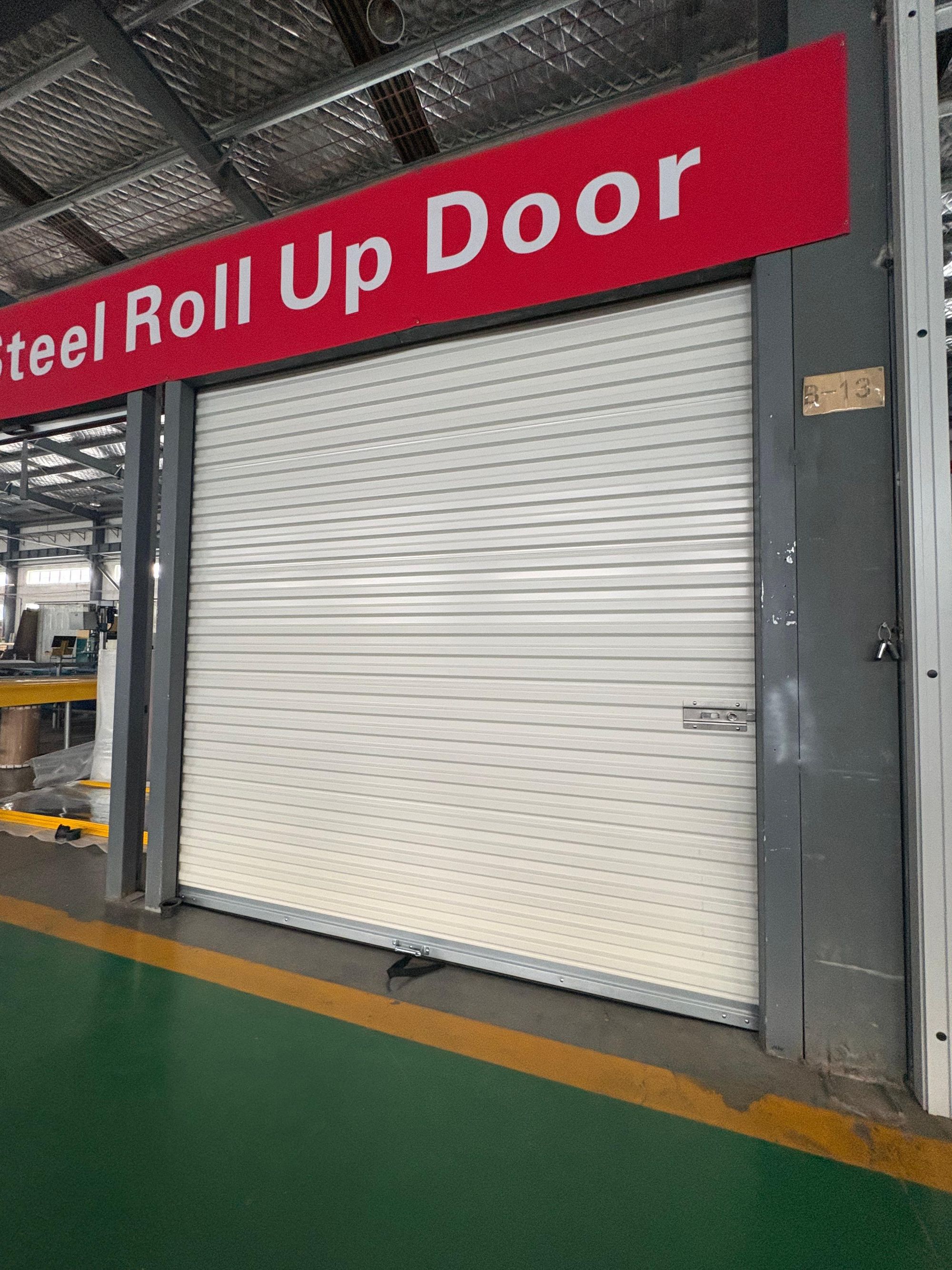
Locking bars and slide bolts offer a physical barrier that takes more than a quick pry to defeat. A surface-mounted slide bolt might be enough for a shed or interior door, but exterior gates and roll-up doors often need a heavier locking bar that spans the full width and resists twisting. The value isn't in making entry impossible; it's in forcing someone to make noise, use bigger tools, and spend more time.
Installation details matter more than the hardware price. A thick locking bar attached with short screws into a hollow frame can be popped loose with one hard yank. Use through-bolts or heavy lag screws into solid framing, and pair slide bolts with a hasp that hides the screws when closed. For double doors, anchor the bar into both leaves so one side can't flex open independently.
These deterrents work best when layered. A locking bar stops the door from opening, but it won't help if a window next to it is unlatched. Cheap slide bolts on interior doors can slow someone down, yet they're no substitute for a proper deadbolt on the main entry. Match the device to the threat: a lightweight latch won't stop a determined thief, but it can discourage an opportunistic one.
Weather Stripping That Stops Water Before It Reaches the Floor
The strip is made from dense closed-cell foam with a waterproof polymer skin, so water beads on contact instead of soaking through. Its low-profile bulb shape sits under the door and compresses evenly, blocking runoff from wind-driven rain or snowmelt. Unlike felt or brush seals that wick moisture, this one redirects water back outside along a subtle drainage channel.
Installation takes about ten minutes with high-bond tape that grabs bare concrete or tile. Trim it to length with scissors, press firmly along the full threshold, and let the adhesive set for an hour before exposure to heavy water. A slight angle on the leading edge keeps the door from snagging while still sealing the gap.
Spring Cycles and Why They Matter More Than You Think
Spring’s arrival rarely follows a single switch. Soil temperatures, day length, and the slow retreat of frost all tug at different species at different moments. A red maple may push out flowers while the ground is still half-frozen, relying on wind rather than insects for pollination. Wood frogs thaw and chorus before the last snow has melted, and certain wildflowers only open after a precise number of cumulative warm hours. These overlapping calendars form a quiet choreography that most of us never fully notice.
Paying attention to those cycles matters far beyond curiosity. Farmers time orchard pruning and planting not by the calendar alone but by bud swell and soil readiness; a warm spell in February can trigger blooms that a late frost then destroys. Migratory birds depend on caterpillar peaks that follow leaf-out, and when one cue shifts out of sync, entire food webs feel the strain. For people, seasonal allergy onset, spring fatigue, and even mood shifts often track pollen release and light changes more than the equinox itself.
There is also a quieter reason these cycles deserve attention. Noticing the first swelling buds, the return of specific bird calls, or the brief window when ephemeral flowers bloom under still-bare trees pulls us out of mental autopilot. It turns spring from a backdrop into something we read, anticipate, and occasionally catch in the act of changing.
Photo Eyes and Auto-Reverse Are the Safety Features That Save Lives
Garage doors are heavy, often weighing several hundred pounds. Without reliable safety mechanisms, they can cause serious injury or even death. Photo eyes, mounted near the floor on either side of the door, project an invisible infrared beam. When that beam is interrupted by a child, pet, or any object, the door immediately stops closing and reverses direction. It’s a simple concept, but it prevents countless crushing accidents every year. The beam must be aligned properly and kept clean, and the sensors should be checked regularly to ensure they are working. A quick test with a rolled-up newspaper or a block of wood can confirm the door reverses as expected.
Auto-reverse is the second critical layer of protection. Even if the photo eyes fail or the object is too low to break the beam, the door opener’s motor senses resistance when it meets an obstacle. Modern openers detect the increased force and automatically reverse the door’s travel, preventing it from pressing down further. This feature relies on proper force settings: too sensitive and the door may reverse from wind or minor friction; too insensitive and it could cause harm. Regular maintenance, including checking the force adjustment and testing with a solid object, keeps the auto-reverse functioning as intended. Many homeowners overlook this, but it’s a simple routine that can save a life.
Together, photo eyes and auto-reverse create a robust safety net. They work independently, so if one fails, the other can still prevent a tragedy. In a home with children or pets, the peace of mind is worth far more than the few minutes it takes to inspect these devices. While no system is foolproof, these two features have dramatically reduced the number of garage door injuries since they became standard in the early 1990s. Treat them with respect: don’t bypass the sensors, don’t disable the auto-reverse, and replace any worn parts promptly. Your family’s safety may depend on it.
Professional Installation vs. DIY and the Warranty Trade-Off
Choosing between hiring a pro and tackling the job yourself often comes down to how much you value your time and peace of mind. A licensed installer brings years of hands-on experience, the right tools, and an eye for details that most weekend warriors simply don't have. They'll spot potential issues before they become expensive problems—whether it's uneven subflooring, tricky wiring, or hidden moisture. The upfront cost might sting, but you're paying for more than labor; you're buying a smoother process and fewer surprises down the road.
On the flip side, DIY can be genuinely rewarding if you're patient and willing to learn. You save on labor, set your own schedule, and gain a deep understanding of how your home works. But here's where the warranty trade-off bites: many manufacturers void coverage if installation isn't performed by a certified professional. That means a simple mistake—like a misaligned seal or incorrect torque—could leave you holding a broken product and no recourse. Before you pick up a drill, read the fine print. Sometimes the money you save upfront evaporates the moment something goes wrong.
The smartest approach is to be honest about your skill level and the complexity of the project. Swapping a faucet? Go for it. Installing a whole-home water filtration system with electrical components? Call a pro. And always check whether the warranty hinges on professional installation—if it does, factor that cost into your budget from day one. In the end, the best choice is the one that keeps you covered long after the tools are put away.
FAQ
Focus on how the door will actually be used. For high-traffic loading docks, galvanized steel with a thick gauge (at least 24) resists dents and rust better than standard aluminum. If you're near saltwater or wash down areas, consider stainless steel or powder-coated options to prevent corrosion. Insulated slats are worth the extra cost if the opening separates climate-controlled space from outside air—look for polyurethane foam cores rather than polystyrene, since they offer better R-value per inch. Also check the curtain profile: interlocking slats with reinforced end hinges hold up longer under repeated impact than lightweight corrugated designs. Ask the supplier for sample sections you can handle; weight and finish quality often reveal more than a spec sheet.
Don't just ask if they sell security doors. Ask about specific failure points. A reliable supplier should be able to explain how their locking mechanisms resist prying, whether the bottom bar has reinforced channels, and if they offer tamper-resistant hoods for the rolling drum. Request references from facilities with similar security needs—warehouses, self-storage, or equipment yards—and actually call them. Check if they provide a written warranty covering the door's locking components, not just the curtain. Also look at the supplier's installation team: a secure door is only as good as its anchoring, so they should use concrete wedge anchors or through-bolting rather than standard expansion bolts.
The track and counterbalance system gets neglected because it's not visible. If the tracks are made from thin angle iron, they'll flex and cause the curtain to bind over time. Look for hot-rolled steel tracks with a minimum thickness of 14 gauge and continuous welded brackets, not just bolted clips. The torsion spring is another weak point: ask if it's rated for at least 25,000 cycles rather than the standard 10,000. Greaseable ball bearings in the barrel and hardened steel guides also extend life significantly. Finally, check the bottom seal—replaceable rubber or brush seals prevent debris from damaging the bottom bar and reduce wear on the closing mechanism.
Custom sizing is often worth the extra lead time if your opening isn't perfectly square or if you need clearance for tall equipment. A door that's too wide for standard tracks will strain the springs and cause premature failure. However, many suppliers can adjust standard doors with top hoods or extended guides to fit typical commercial openings without full custom fabrication. Ask for an on-site measurement from the supplier rather than relying on your own tape measure—misaligned tracks from a 1/4 inch error can void warranties. If you need custom, confirm the supplier uses laser-cut end plates and not hand-torched slots, as that affects alignment.
Think about cycle life and energy loss rather than just the purchase price. A $900 door that needs spring replacement every two years will cost more than a $1,800 door rated for 50,000 cycles. Also consider operational speed: high-speed roll up doors reduce air exchange in climate-controlled areas, which cuts HVAC costs. Ask the supplier for a five-year cost estimate including expected maintenance parts, not just the invoice. Look into tax incentives for insulated doors if you're in a region with energy efficiency programs. Cheaper doors often use plastic guides that crack within a few seasons; insist on steel or nylon-reinforced components even in budget models.
At minimum, require a photo-eye sensor or reversing edge that stops the door if something crosses the threshold—these are not optional for commercial use. For doors operated frequently, ask about a monitored safety circuit that alerts you if the sensor is bypassed or fails. Manual chain hoists should have a brake that prevents free-fall; if the door can drop when the chain is released, that's a red flag. Also check the supplier's compliance with ASTM F2239 for rolling door safety. Ask if they provide training materials for your staff—many accidents happen because workers don't know the manual release procedure or try to force a jammed door.
Yes, but don't assume all certifications carry equal weight. For durability, look for doors tested to ANSI/DASMA 108 for cycle life—ask for the certified cycle count, not a vague high cycle claim. Wind load ratings matter if you're in a hurricane zone; the supplier should provide engineering calculations for the specific opening size, not generic product data. For security, check if the door meets ASTM F2200 for forced entry resistance on storage units. Also verify the supplier's own fabrication standards: ask if they weld to AWS D1.1 and if they provide mill test reports for the steel used. These details separate commodity suppliers from those that engineer for long service life.
Installation is where many doors fail early. A good crew will inspect the opening with a laser level, not just a spirit level, and shim the guides so the curtain travels without rubbing. They should pre-tension the torsion springs based on the door's actual weight, not a generic chart, and cycle the door at least ten times to check balance. Look for suppliers who use torque wrenches on all anchor bolts—over-tightening can crack concrete or bend the track. After installation, the door should stay in place at mid-travel without drifting. If the installer doesn't test the safety reverse or manual operation in front of you, ask them to before signing off.
Conclusion
A commercial door's lifespan often hinges on details most buyers overlook until a forklift clips the track or rainwater pools inside the bay. Start with metal gauge and coatings: 24-gauge steel might look fine in a brochure, but a 20-gauge or 18-gauge door with a galvanized base layer and a baked-on polyester or polyurethane topcoat will shrug off daily impacts that dent thinner panels. Pair that with locking bars that slide into the floor track, side bolts that anchor the curtain to the guides, and perhaps a hardened steel slide bolt at the bottom—visible, physical resistance makes a rolling door a less appealing target than the neighbor's unsecured overhead door.
Beyond brute strength, pay attention to weather sealing and the parts that actually move. Bottom and side weather stripping should press tightly enough to divert rain before it reaches your slab, not just look like an afterthought. Spring cycles matter more than the initial tension: a 10,000-cycle spring will need replacement far sooner than one rated for 50,000 or 100,000 cycles, and that replacement bill will dwarf the upfront savings. Safety is not optional either; photo eyes and auto-reverse mechanisms must stop and reverse the door within seconds if a person or pallet crosses the threshold. Finally, professional installation may cost more, but factories often void warranties on self-installed doors, meaning a small alignment mistake can become an expensive lesson when the door binds or the spring fails.
Contact Us
Contact Person: Cyril He
Email: [email protected]
Tel/WhatsApp: 8613969697307
Website: https://cqyqgd.en.alibaba.com/