

Three Phase Vibration Motor Manufacturer Guide: Finding a Partner You Can Trust
2026-11-16
Every production manager knows the moment: a vibration motor fails, and the whole line stutters. That's why the search for a three-phase vibration motor manufacturer isn't a routine purchase—it's a bet on uptime, safety, and long-term cost. But how do you tell a genuine partner from a polished brochure? This guide breaks down the non-obvious signs of reliability, and we'll point you to Guangling, a manufacturer that lets its build quality do the talking.
Look Past the Sales Pitch: Verify Real Production Experience
Anyone can put a slick deck together and claim they have run systems in production at scale. What separates actual experience from a well-rehearsed pitch is the ability to answer uncomfortable questions. Ask how many concurrent users their platform handled during peak hours, what the largest data volume was for a single customer, and how often they had to roll back a release. If the answers stay vague or keep circling back to high-level benefits, treat that as a red flag.
Real production scars show up in the details of failure, not just in the highlights of success. A team that has genuinely operated a service can walk you through a specific incident: what broke, how they detected it, what the impact was, and what they changed afterward. Ask to see a postmortem or runbook excerpt. Pay attention to whether they mention monitoring gaps, on-call fatigue, or messy migrations. Those are the unglamorous realities that sales decks rarely volunteer.
Finally, verify through people who were in the trenches, not just the executive sponsor. Request a call with an engineer or SRE who supported the system day to day. Ask them what they wish they had known before going live, and how their architecture evolved after the first major outage. A vendor that hesitates to connect you with someone on the operations side is often one whose production story is thinner than it appears.
Dig Into the Testing Bench: What Actually Happens Before Shipping
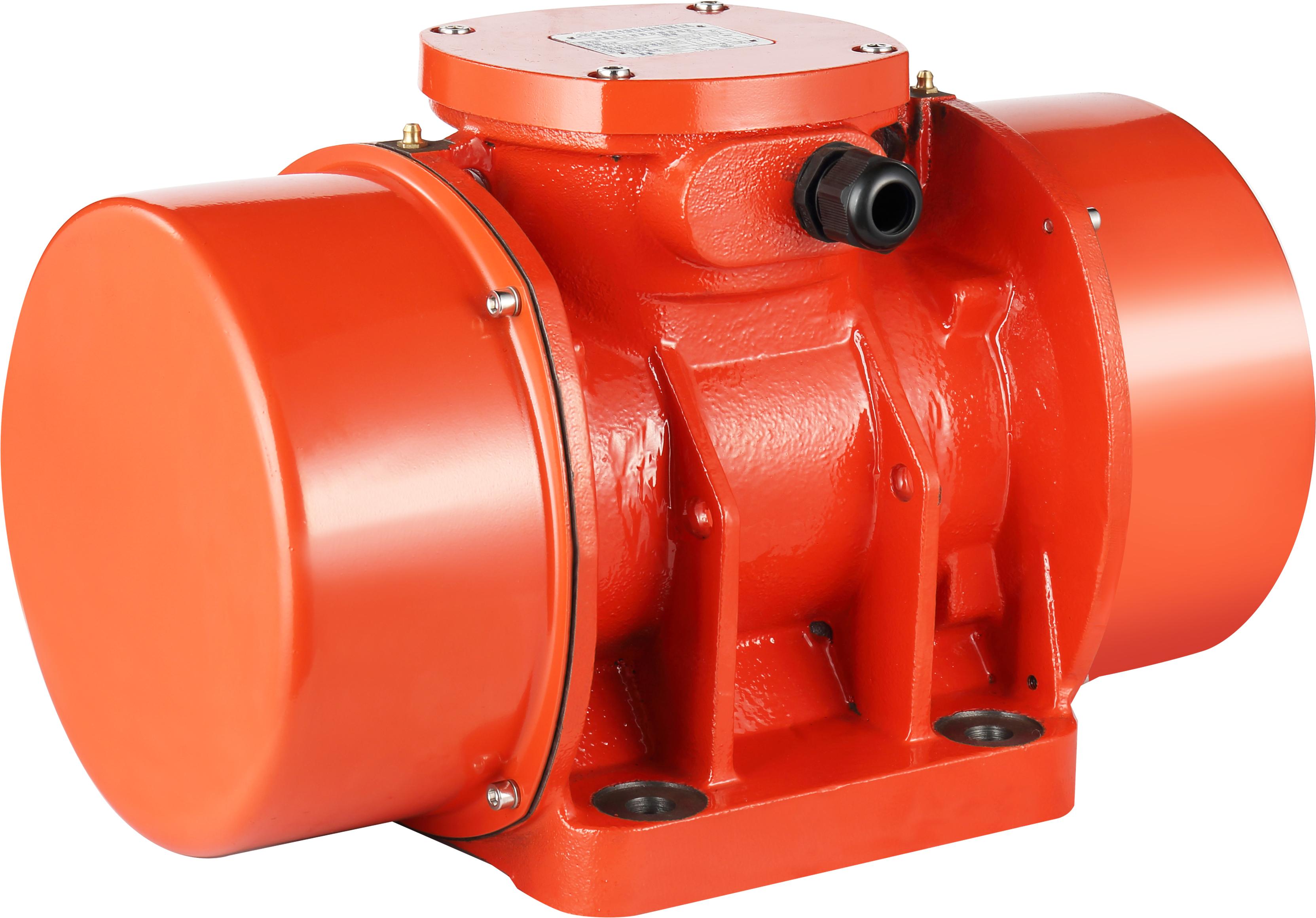
A testing bench is rarely a tidy row of multimeters and oscilloscopes. It’s more like a padded cell for electronics—where prototypes get zapped with voltage spikes, baked in thermal chambers, and shaken on vibration rigs until a hairline solder crack finally gives up. The goal isn’t to confirm the device works; it’s to find the exact conditions that make it fail, then decide if those conditions are absurd enough to ignore or plausible enough to fix.
Firmware gets its own interrogation. Engineers feed the board malformed data packets, yank power mid-update, and hammer the reset line just to see if the bootloader throws a tantrum. Logs from these sessions read like a crime scene report: unexpected register values, a watchdog timer that fired 400 milliseconds late, a brownout detector that tripped on a decoupling capacitor that was one size too small. Every anomaly gets chased until it’s either explained away or patched with a bitmask and a comment that reads “do not remove.”
Shipping doesn’t mean the bench goes quiet. A production batch gets sampled, and those units are put through the same gauntlet, but now the pass/fail line shifts. Instead of asking “can this one unit survive,” the question becomes “what fraction of a thousand units will croak in the first year?” That’s a statistics game, not an engineering one—so the final sign-off often comes from a spreadsheet that balances warranty reserves against the cost of one more board revision.
Push on Customization: Voltage, Mounting, and Force Envelope
Finding a solenoid or electromagnet that fits an existing design rarely works straight off the shelf. Voltage is usually the first sticking point—many standard parts assume 12V or 24V DC, but real circuits might run on 5V, 48V, or even AC with very different current profiles. Custom winding changes the coil resistance and inductance so the device pulls the expected current without overheating or straining the driver.
Mounting is equally easy to underestimate. A part with the right force but the wrong hole pattern or thread size forces compromises elsewhere. Custom flanges, threaded bushings, or bracket geometry can move the mounting points exactly where the assembly needs them, avoiding awkward adapters. It also lets the housing match the available envelope instead of forcing the surrounding mechanics to grow around a stock part.
The force envelope is where most standard components fall short. Off-the-shelf curves are fixed, but custom air gaps, pole shapes, and stroke lengths shift the force profile to match the load. Whether the goal is a flat force across a longer travel or a sharp spike at contact, tuning those parameters produces a response that feels deliberate rather than borrowed.
Gauge Their Response Time When You Ask Hard Questions
Asking a difficult question often reveals more in the silence that follows than in the eventual answer. The pause before someone responds can tell you how carefully they are thinking, or how desperately they are stalling. In conversations where stakes matter, timing becomes a quiet signal. It’s not about catching someone off guard for sport, but noticing whether their rhythm changes when the topic gets uncomfortable.
A quick reply might signal confidence or a rehearsed script. A long hesitation could mean genuine reflection—or an attempt to construct a safe version of the truth. Neither is automatically good or bad. The key is consistency: if someone responds fast to easy questions but slows down sharply on hard ones, that shift is worth noting. It often indicates where their guard goes up.
To use this in practice, avoid reading too much into a single pause. Instead, track patterns over multiple tough questions. Watch for changes in eye contact, tone, or body language during the delay. Then compare those observations with what they actually say. Over time, you’ll get a clearer picture of how they handle pressure—and whether their response time is a window into their honesty or just their thinking style.
Trace the Spare Parts and Repair Path Before You Sign
A beautiful brochure or a polished website can make any repair network look seamless. But once you sign the service agreement, the reality often shifts. One of the smartest moves before committing is to ask exactly where spare parts are stocked, how long a typical repair takes from diagnosis to completion, and who actually performs the work. A vendor might promise a 24-hour turnaround, yet their parts sit in a warehouse three states away with no overnight shipping option. That detail only surfaces when you trace the path yourself.
Contact a few current customers and ask about their last repair. Did the technician arrive with the right parts on the first visit? Was there a confusing chain of approvals or subcontracted repair shops? Sometimes the promised local service is actually handled by a third party two time zones over, adding days of delay and miscommunication. Mapping this hidden route before you sign gives you leverage to negotiate better terms or choose a provider whose logistics actually match their marketing.
Also look at the escalation path for critical failures. If a key machine goes down on a Friday night, who answers the phone, and how quickly can a part be dispatched? Ask for a written repair flow diagram showing each step, including parts sourcing, technician dispatch, and return-to-service testing. When a provider hesitates to share this level of detail, treat that pause as a warning sign. The time to trace the spare parts and repair path is before your signature locks you in, not after the first costly breakdown.
Ask for Running References, Not Just a Client List
When evaluating a digital partner, a list of past clients can be misleading. Anyone can name-drop recognizable brands, but that doesn't reveal how well the work was actually delivered. Instead of stopping at the roster, ask for running references — specific contacts you can call or email, people who have worked with the agency recently and can speak to the day-to-day realities. A genuine partner will happily connect you with two or three current or very recent clients, not just hand you a polished PDF with logos.
Running references give you a window into what it's like to collaborate over time. Ask those contacts about responsiveness, how the team handles scope changes, whether deadlines are treated as suggestions or commitments, and how problems get resolved when things go sideways. These conversations reveal the texture of the relationship — the kind of detail a case study never captures. You'll quickly learn whether the agency's promises match their operational reality.
Don't be afraid to push for references beyond the cherry-picked success stories. Request a mix: one from a project that went smoothly, one from a project that hit unexpected obstacles. Listen for how the agency communicates, owns mistakes, and adjusts. That's the real measure of a partner you can trust, far more than a list of impressive names on a slide.
FAQ
Look beyond glossy brochures. A trustworthy supplier will happily share test data like vibration velocity measurements and thermal rise curves under continuous duty. If they hesitate to provide rotor balancing certificates or insulation test reports, that is your first warning sign.
Confirm the motor's rated torque at 50Hz and 60Hz, insulation class (Class F or H preferred), bearing brand and type, and the maximum allowable axial and radial loads. Also ask for the vibration severity grade according to ISO 10816-3 at no load and full load.
Request a detailed QC checklist for a recent production batch, including dynamic balancing tolerances, winding resistance measurements, and hi-pot test voltages. A manufacturer that uses third-party inspection services like SGS or TÜV for critical orders gives extra confidence.
If your application has odd mounting dimensions, unusual voltage, or extreme ambient temperatures, custom is often the only sane path. A good partner will modify shaft lengths, flanges, or winding configurations without inflating lead times or forcing a huge minimum order quantity.
Watch out for extra charges for specialized bearings, tropicalized coatings, or export packaging that are not listed in the initial quote. Lead times can silently stretch when the motor frame is cast to order or when the factory batches custom shafts once a month. Ask for a written production schedule with milestone dates.
A manufacturer that stocks common wear parts like bearings, seals, and terminal boxes can save you days of downtime. Ask if they keep a safety stock for your specific model or can air-freight a replacement rotor within 72 hours. Vague promises about "global support" mean little compared to a concrete spare parts kit shipped with the first order.
Request the motor's IP rating (IP65 or IP66 for dusty or washdown areas), whether windings are vacuum pressure impregnated, and if the stator is treated against humidity and chemical fumes. For outdoor installations, confirm the terminal box has a proper cable gland and anti-condensation heater option.
Absolutely, if vibration motors are their core product. Smaller specialists often have deeper hands-on knowledge, shorter communication lines, and more flexibility for custom orders. Large conglomerates may treat vibration motors as a side business, which can mean slower engineering feedback and less appetite for small to mid-sized runs.
Conclusion
A dependable three phase vibration motor partner rarely hides behind glossy marketing. Start by pushing past the sales pitch and asking specific questions about production: how they wind stators, balance rotors, match bearings to the intended radial load, and handle insulation for dusty or humid environments. The answers tell you whether the factory has real floor experience or just a catalogue. Then look at the testing bench. Before any unit ships, a serious manufacturer should run the motor under load, record vibration velocity and displacement, check insulation resistance and temperature rise, and test winding resistance against design values. If they cannot show you a standard test report or walk you through the acceptance criteria, keep looking.
Customization is where many suppliers stumble. Voltage, frequency, mounting footprint, and terminal box position are only the beginning. You need a partner who can adjust the force envelope—changing eccentric weights, number of poles, or rotor mass—to hit your required centrifugal force without overheating. Gauge how the engineering team handles hard questions: slow, vague replies usually mean thin in-house knowledge. Also trace the spare parts and repair path before signing anything. Ask for lead times on bearings, shafts, end shields, and coils, and confirm whether they offer rebuild services or just replacement units. Finally, request running references, not just a client list. Speak to plants running similar duty cycles and ask about noise, bearing life, and after-sales response. That kind of direct feedback is worth far more than a polished brochure or a long logo wall.
Contact Us
Contact Person: ZHUO
Email: [email protected]
Tel/WhatsApp: 86-576-86320988
Website: https://www.cnguangling.com