

Top Heat Resistant Conveyor Belt Solutions for Industrial Applications
2026-04-03
When industrial operations reach extreme temperatures, equipment failure isn't just inconvenient—it can halt production and incur massive costs. Finding conveyor belts that withstand intense heat while maintaining efficiency and safety is a critical challenge for engineers and facility managers alike. At XAN, we understand these high-stakes demands. Our focus on innovative, durable solutions has positioned us at the forefront of heat-resistant conveyor technology. In this post, we explore the top heat-resistant conveyor belt options that not only endure harsh environments but also enhance productivity and reduce downtime—giving your operations the resilience needed to thrive under pressure.
Key Features of High-Temperature Conveyor Belts
When handling materials in extreme environments like foundries or steel mills, the resilience of high-temperature conveyor belts becomes crucial. These belts are engineered to operate reliably at intense heat levels, often up to 500°F (260°C) or more, without compromising performance. This capability stems from advanced materials like silicone rubber or fluoropolymers, which resist thermal degradation and maintain flexibility even under prolonged exposure to heat. Such durability prevents common issues like cracking or melting, ensuring consistent material transport where standard belts would fail, thereby reducing downtime and maintenance costs in demanding industrial settings.
Beyond basic heat resistance, these belts excel in withstanding additional stresses that accompany high-temperature applications. Many are designed with reinforced layers or coatings that protect against abrasion from hot, rough materials like slag or sintered ores, extending their lifespan significantly. They also often feature flame-retardant properties, meeting stringent safety standards to prevent fire hazards in volatile environments. For instance, belts with specialized compounds can self-extinguish if exposed to flames, adding an essential layer of protection for workers and facilities, which sets them apart from more generic industrial solutions.
Another standout feature is their versatility in customization, allowing them to be tailored for specific heat-related challenges. Whether it's handling extreme temperatures in cement kilns or transporting hot food products, manufacturers can adjust the belt's composition, thickness, and texture to optimize performance. For example, belts with perforated surfaces might be used for cooling applications, while smooth versions could prevent hot materials from sticking. This adaptability not only enhances efficiency but also reduces waste, as belts can be precisely matched to operational needs, offering a distinct advantage in sectors where precision and reliability are non-negotiable.
Industrial Sectors Benefiting from Heat-Resistant Belts
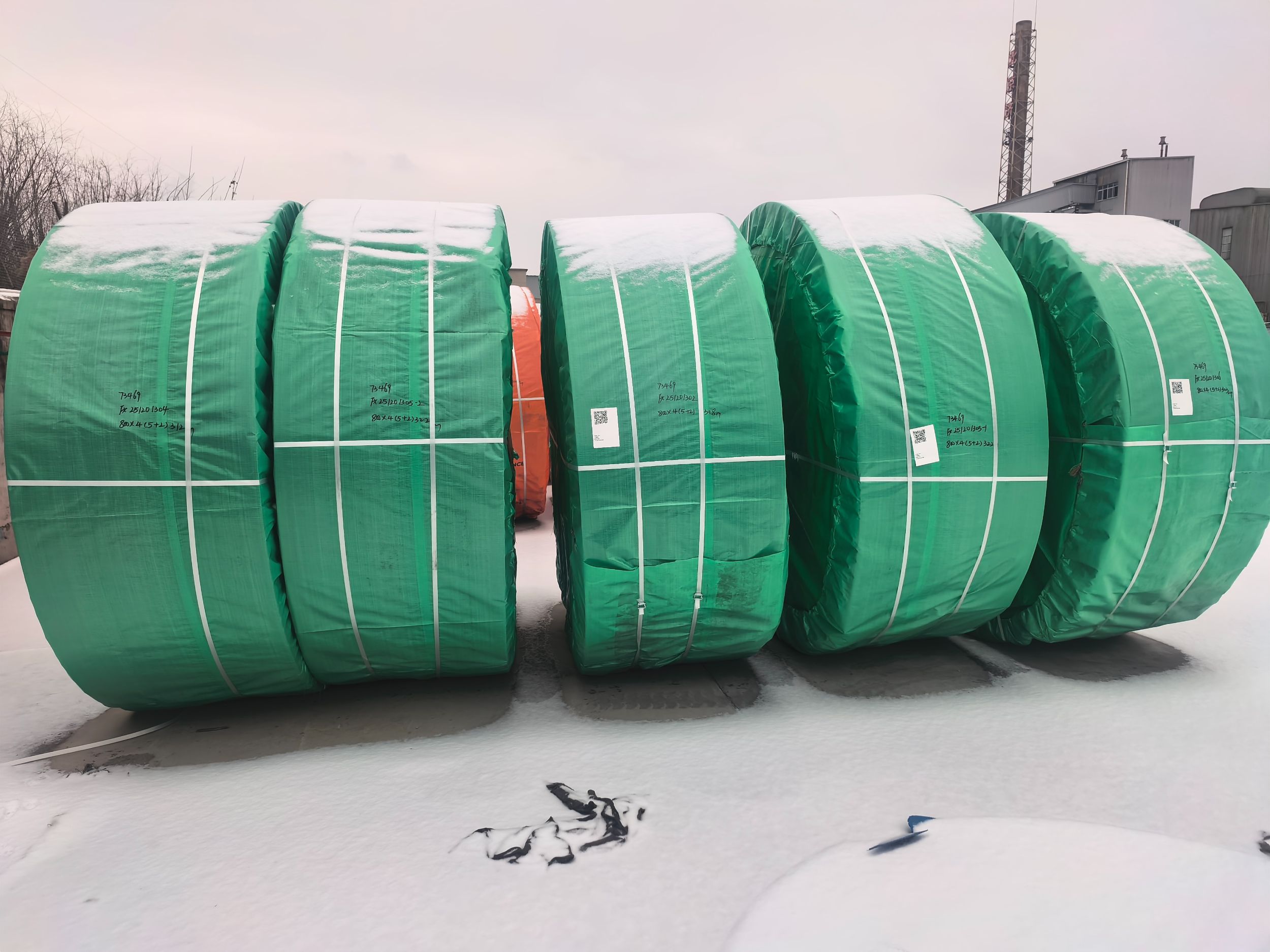
Heat-resistant belts have transformed operations in the metalworking industry, where extreme temperatures are a constant challenge. These belts ensure seamless material handling during processes like smelting and forging, reducing downtime caused by belt failure. Their durability translates into cost savings and enhanced productivity for factories dealing with molten metals.
In the food processing sector, heat-resistant belts play a crucial role in baking and sterilization stages. They withstand high-temperature ovens and steam without degrading, maintaining hygiene standards and preventing contamination. This reliability supports continuous production lines, helping manufacturers meet stringent safety regulations while boosting output.
The ceramics and glass industries also reap significant benefits from these belts. They facilitate the safe transport of hot materials through kilns and furnaces, minimizing breakage and energy loss. By withstanding thermal stress, the belts extend equipment lifespan and ensure consistent product quality in demanding manufacturing environments.
Material Composition for Extreme Thermal Conditions
When engineering materials for extreme thermal environments—whether scorching heat or deep cold—composition isn't just about durability; it's a balancing act between thermal expansion, conductivity, and structural integrity. For instance, ceramics and advanced alloys like nickel-based superalloys are often chosen for high-temperature applications because they maintain strength and resist oxidation or thermal fatigue. Meanwhile, materials like silica aerogels or specialized polymers excel in insulation for cryogenic conditions, where minimizing heat transfer is crucial. Engineers must consider not only the base material but also additive elements or coatings that enhance performance under thermal stress, such as adding yttria to zirconia to improve toughness in thermal barriers.
In extreme cold, materials face challenges like embrittlement and contraction, which can lead to catastrophic failures if not properly addressed. For example, stainless steels with low carbon content and austenitic structures are preferred in cryogenic contexts because they retain ductility at frigid temperatures. Alternatively, composites like carbon fiber reinforced polymers (CFRPs) can be tailored with specific resins and fibers to withstand thermal cycling without cracking. The key is selecting compositions that mitigate thermal mismatch between different parts of a system, ensuring components like seals or joints don't fail when temperatures fluctuate dramatically.
Looking forward, innovations in material science are pushing boundaries with smart compositions that adapt to thermal extremes. Shape-memory alloys, which return to a predefined shape upon heating, or phase-change materials that absorb and release heat, offer dynamic solutions for temperature management. By integrating nanomaterials or metamaterials, researchers are developing composites with engineered thermal properties, such as negative thermal expansion, to counteract conventional material limitations. This evolution in composition strategies is enabling more robust and efficient designs for applications from aerospace to energy systems, where thermal extremes are a constant challenge.
Longevity and Maintenance Under Thermal Stress
Thermal stress poses significant challenges to the durability of materials and systems, often accelerating wear and tear through repeated cycles of expansion and contraction. In environments with extreme temperature fluctuations, components can experience thermal fatigue, leading to micro-cracks and eventual failure if not properly managed. To mitigate these effects, proactive maintenance strategies are essential, focusing on regular inspections and timely interventions that address stress points before they escalate into critical issues.
Innovative approaches to enhancing longevity under thermal stress include the use of advanced alloys and composite materials designed to withstand high temperatures without compromising structural integrity. For example, ceramics and heat-resistant coatings can provide a protective barrier, reducing direct thermal impact and extending service life. Additionally, predictive modeling and real-time monitoring systems enable early detection of thermal anomalies, allowing for adjustments in operation or maintenance schedules to prevent unexpected breakdowns.
Beyond material selection, operational practices play a crucial role in maintaining performance under thermal stress. Implementing controlled cooling mechanisms, such as liquid cooling or heat sinks, helps dissipate excess heat efficiently. Routine calibration of temperature-sensitive components ensures they operate within optimal ranges, while training personnel on thermal management protocols fosters a culture of vigilance. By integrating these elements, organizations can achieve greater resilience and reduce long-term maintenance costs in thermally demanding settings.
Innovative Designs for Enhanced Heat Tolerance
Innovative designs that boost heat tolerance are reshaping how we approach thermal management across various industries. By incorporating advanced materials like phase-change substances and aerogels, engineers create systems that not only withstand extreme temperatures but also maintain efficiency under stress. This focus on durability and performance ensures applications from electronics to aerospace operate reliably in harsh environments, pushing the boundaries of what's possible.
A key aspect of these designs lies in smart architecture, such as microfluidic cooling channels and passive heat sinks, which distribute heat more effectively without relying heavily on energy-consuming components. By mimicking natural cooling processes found in biology, these solutions offer sustainable alternatives that reduce energy consumption and environmental impact. This approach distinguishes them from traditional methods, highlighting a shift toward eco-friendly innovation in heat management.
Continuous research fuels progress in this field, with experiments in nanotechnology and adaptive materials leading to breakthroughs like self-regulating thermal interfaces. These advancements not only enhance safety and longevity in products but also open doors to new applications in renewable energy and medical devices. The emphasis on customizability and resilience ensures that these designs stay ahead in a competitive market, offering tailored solutions for diverse thermal challenges.
Real-World Applications and Performance Metrics
In practice, real-world applications of this technology span diverse sectors, from autonomous vehicles making split-second decisions on roads to healthcare systems analyzing patient data for personalized treatments, demonstrating how key metrics directly impact operational efficiency and safety outcomes in dynamic environments.
Performance metrics often include evaluation frameworks like accuracy rates, latency benchmarks, and scalability parameters, which help stakeholders gauge reliability under varying conditions, such as during peak usage or with noisy data, ensuring robust deployment beyond controlled lab settings.
Focusing on tangible results, case studies highlight how optimizing these metrics leads to cost reductions and enhanced user experiences, with teams continuously refining models based on feedback loops to maintain competitive edges in fast-evolving markets.
FAQ
High-temperature conveyor belts typically use materials like silicone, Teflon, or fiberglass due to their ability to withstand extreme heat without degrading.
These belts incorporate specialized coatings and reinforcements, such as aramid fibers, to maintain structural integrity and prevent melting or warping at such high temperatures.
Yes, manufacturers often tailor belts with varying thicknesses, surface textures, or additional features like flame retardancy to meet the unique demands of industries like steel or glass production.
Regular inspections for wear, cleaning to remove debris, and ensuring proper alignment can significantly prolong belt life, even under harsh thermal conditions.
Some modern solutions use recyclable materials or low-emission production processes, offering sustainable alternatives without compromising heat resistance.
While initially more expensive due to advanced materials, their durability and reduced downtime often lead to lower long-term operational costs in high-heat applications.
Features like anti-static properties, fire-resistant layers, and non-toxic emissions ensure safe operation in environments where heat and chemicals are present.
Industries such as metalworking, cement production, and food processing, where high temperatures are common, see significant efficiency gains from using these specialized belts.
Conclusion
High-temperature conveyor belts are engineered with key features that make them indispensable in demanding industrial environments. These belts incorporate specialized material compositions, such as heat-resistant polymers, rubber compounds, and metallic reinforcements, to withstand extreme thermal conditions without degrading. Innovative designs, including multi-ply constructions and cooling layers, further enhance heat tolerance, allowing them to operate reliably in sectors like metalworking, cement production, and glass manufacturing. By focusing on durability and performance under thermal stress, these solutions ensure minimal downtime and improved safety in high-heat applications.
Real-world applications demonstrate the longevity and maintenance advantages of top heat-resistant belts. In industries such as mining, steel, and automotive manufacturing, these belts handle abrasive materials and elevated temperatures while maintaining structural integrity. Performance metrics highlight reduced wear and tear, even under continuous thermal exposure, leading to cost savings and operational efficiency. By integrating advanced materials and design innovations, these conveyor belt solutions not only meet but exceed industrial demands, providing robust, long-lasting performance in the harshest environments.
Contact Us
Contact Person: Anna Lu
Email: [email protected]
Tel/WhatsApp: 8618561668850
Website: https://www.x-conveyor.com