

Water Jet Sewer Machine Manufacturer in China: High-Performance Drain Cleaning Systems
2026-10-15
When a drain turns into a stubborn bottleneck, standard tools often fall short. That's where high-performance water jet sewer machines come in—and few names in China's manufacturing landscape command attention like AMJET. But what actually separates a reliable sewer cleaning system from a costly gamble? Let's dig into the details.
How Water Jet Sewer Machines Tackle Stubborn Blockages
Blockages that refuse to budge with basic snaking or chemical treatments often have a common culprit: years of layered grease, silt, and mineral scale that have hardened into a nearly solid mass. Water jet sewer machines bypass this problem entirely by using highly pressurized streams of water, typically ranging from 1,500 to 4,000 PSI, directed through a specialized nozzle. The nozzle spins as it travels forward, creating a scouring action that cuts through the toughest buildup without relying on mechanical blades that can damage older pipe walls. This approach works especially well on tree root intrusions, where the water slices through fine root hairs and flushes the debris downstream, leaving the pipe interior smooth and free of residual snags.
One major advantage of water jetting over traditional augers is its ability to restore full pipe diameter rather than just punching a small hole through the clog. An auger might break through a blockage but leave a thick coating of fat or sludge along the pipe's inner circumference, which quickly attracts new debris and leads to a repeat call. A jetter, by contrast, operates like a pressure washer for the inside of your sewer line. The backward-facing jets on the nozzle simultaneously propel the hose forward and blast the entire wall clean, removing years of accumulated material in a single pass. This makes it particularly useful for commercial kitchens, laundromats, and multi-unit housing where recurring clogs are common.
Another key benefit is that water is a neutral, non-corrosive agent, so the process won't accelerate pipe deterioration or leave behind harmful residues. Modern jetting units come with adjustable pressure settings and nozzle types designed for specific pipe materials—from PVC to cast iron—allowing technicians to tailor the force precisely to the job. For stubborn blockages like hardened scale in cast iron or compacted sand in storm drains, a combination of a penetrating nozzle and a root-cutting head may be used in sequence. The result is a sewer line that not only flows freely right now but is also less likely to clog again in the near future, because the root cause—the buildup itself—has been completely removed rather than just temporarily displaced.
Key Build Quality Indicators in Chinese Manufacturing
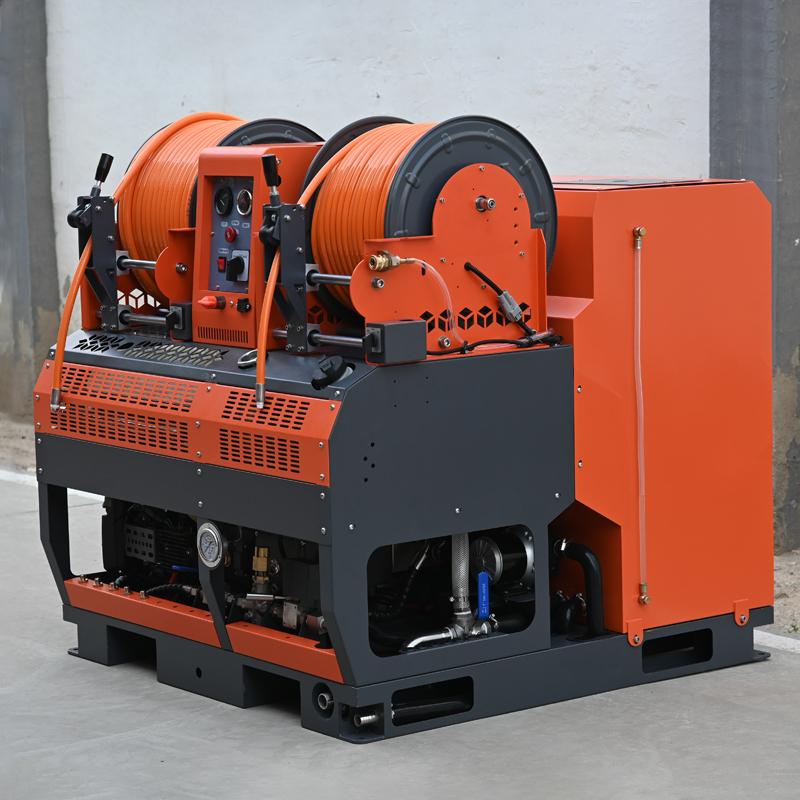
Build quality in Chinese manufacturing is typically measured through a handful of hard numbers that floor managers review daily. First-pass yield (FPY) remains the most immediate signal—anything below 98% on a mature automotive or consumer electronics line usually triggers a root-cause review before the next shift. Alongside FPY, critical-to-quality dimensions are tracked with Cpk values rather than simple pass/fail checks. A Cpk below 1.33 on a high-volume CNC-machined component, for instance, is treated as a process stability problem, not just a part problem, because it indicates drift that will eventually produce out-of-spec batches.
Material consistency is another indicator that separates stable suppliers from erratic ones. In metal enclosure production, batch-level hardness and grain structure checks are as important as dimensional inspection; a supplier that changes aluminum alloy temper without re-qualifying tooling may pass dimensional checks initially but fail in drop or thermal cycling tests later. For plastic injection molding, melt flow index and moisture content are logged per lot, and shifts in these numbers often predict warpage or sink marks before they appear in finished parts.
Finally, durability testing under accelerated conditions has become a default gate for export-oriented factories. Vibration profiles, thermal shock cycles, and salt spray hours are mapped to expected field life rather than generic standards. A well-run Chinese plant will share these test logs openly during audits, while a weaker one will present only dimensional reports. The difference shows up in warranty return rates six to twelve months after shipment, which remains the most honest build quality indicator of all.
Choosing Between Electric, Diesel, and Trailer-Mounted Units
Your first filter should be the job site itself. Electric units need a reliable outlet or generator nearby, and they work best indoors, in enclosed spaces, or anywhere exhaust fumes and noise would cause problems. Diesel models give you independence from the grid and deliver steady power for heavy, continuous work outdoors, but they bring more vibration and require a dedicated fuel supply. Trailer-mounted units add a different kind of flexibility: the whole system sits on a trailer, so you can tow it between locations without unloading and re-rigging every time.
Think about running costs and maintenance routines before you commit. Electric machines usually have fewer moving parts in the power source, no oil changes, and a lower per-hour energy cost, but you're tied to the length of your cord and the capacity of the circuit. Diesel engines cost more to feed and service, yet they handle long shifts and tough loads without overheating the way some electric motors might. If you choose a trailer-mounted diesel, factor in tyre checks, brake maintenance, and the extra space needed to park and turn the rig around.
A quick way to narrow the field is to list your three most common tasks. If most of them happen inside a building or near people, electric is the least disruptive option. If you're regularly working on raw land, road construction, or agricultural sites with no power hookup, diesel or trailer-mounted diesel makes more sense. And if you move between multiple sites in a single week and your vehicle can tow safely, the trailer-mounted option often pays for itself in setup time alone, even though it costs more upfront.
Why Nozzle Selection Changes Cleaning Results
The nozzle you screw onto the end of a pressure washer or spray gun isn't just a piece of metal with a hole—it's the single biggest variable in how well you actually clean. A zero-degree nozzle concentrates all that pump pressure into a pinpoint jet, which can strip paint or etch concrete but also gouge soft surfaces if you're not careful. Switch to a wider fan tip, and the same machine suddenly feels gentler, spreading the force over a larger area so you can rinse off soap without blasting grout out from between tiles. That shift in spray pattern changes everything from dwell time to how close you have to stand, which is why two people using identical equipment can get wildly different results just by picking different tips.
It's not only about width either. Orifice size plays a sneaky role that most folks overlook. A nozzle with a smaller opening restricts flow, which can actually increase pressure at the tip but reduce the total water volume hitting the surface—great for blasting a stubborn stain on concrete, terrible for flushing away loose debris on a car. Larger orifices let more gallons per minute through, which matters more than raw psi when you're trying to move dirt off a large flat area. The wrong orifice can make your pump work harder than it should, leading to premature wear or overheating, even if the spray looks and feels powerful.
Then there's the angle and material of the nozzle itself. A stainless steel tip will keep its precise edges far longer than a brass one, which means your spray pattern stays consistent over hundreds of hours instead of slowly degrading into an uneven fan. Quick-connect systems make swapping tips easy, but that convenience often leads to lazy choices—grabbing whatever's already attached rather than stopping to think about what the surface actually needs. The best cleaning results come from matching the nozzle to the task: narrow enough to break the bond of grime, wide enough to avoid damage, and with an orifice sized to let your machine run in its sweet spot. Miss any one of those, and you're either wasting time re-spraying the same patch or risking a costly repair.
Field Maintenance Habits That Extend Machine Life
A ten-minute walk-around before the engine turns over catches most failures before they strand a machine in the middle of a field. Look for wet spots under hydraulic cylinders, run a hand along hose bends to feel for cuts or swelling, and give each grease fitting a quick wipe before the gun goes on. Bolts on high-vibration areas like the exhaust stack and loader mounts tend to loosen after a few hundred hours — checking them with a torque wrench once a week is cheaper than replacing a cracked frame rail.
Dirt is the quiet killer of field equipment, and most of it enters through neglected lubrication points and open couplers. Always wipe zerks clean before pumping grease, use the grade listed in the manual for the season, and keep dust caps snapped onto hydraulic quick-connect fittings whenever implements are swapped. Store spare filters in sealed bags rather than on a shelf in the service truck; a gritty filter installed during an oil change does more harm than running the old one another fifty hours.
Pay attention to how the machine sounds and feels during the first pass of the day. A slight whine from a pump or a sticky joystick that clears up after warm-up often points to a blocked suction screen or low fluid level. At the end of a shift in clay or abrasive soil, spend five minutes knocking mud out of the undercarriage and checking track tension. Small adjustments made while the metal is still warm prevent the kind of uneven wear that turns into a track replacement halfway through the season.
Custom Engineering Options for Specialized Drain Crews
Standard drainage components often assume a clean, predictable trench line. Real job sites rarely cooperate. Custom engineering lets specialized drain crews specify grate openings that match existing curb profiles, adjust invert elevations to tie into old clay tile, or shift outlet angles when a gas main sits exactly where the original drawing placed a cleanout.
The process works best when field measurements drive the design. Crews send annotated photos and rough sketches from the excavation, and the engineering team turns those into fabrication drawings within a couple of days. Material choices follow the conditions on site: polymer concrete for salt-heavy roadways, ductile iron for fork truck traffic, or 316 stainless for food processing floors where washdown chemicals eat standard coatings.
Revisions stay manageable because the shop keeps standard blanks and modular components on hand. If a crew finds an uncharted duct bank or an old foundation wall in the way, a revised endplate or offset adapter can usually ship without restarting the entire approval chain. Each order includes stamped load ratings and a contact number for the engineer who reviewed the field notes, so questions get answered before they slow the pour.
FAQ
It usually combines higher pressure ratings with thoughtful engineering for harsh field conditions, so crews can clear stubborn blockages without switching between multiple tools. Many Chinese manufacturers also focus on modular designs that simplify nozzle swaps and routine service.
They handle grease buildup, sand and sludge deposits, tree root intrusion, and hardened scale in municipal lines or industrial pipelines. The key is matching the nozzle and flow rate to the pipe diameter and blockage density.
Think about the pipe size and the nature of the debris. Narrow residential lines often respond well to moderate pressure with lower flow, while large-diameter storm drains need high flow at slightly lower pressure to move debris out effectively.
Yes, many units from China are built with freeze-resistant pump heads and optional enclosures or heating systems. Remote sites benefit from trailer or skid-mounted configurations that run off diesel engines without needing external power.
Flush the pump with clean water after every job, inspect high-pressure hoses for abrasion, and replace nozzle tips before they wear unevenly. Storing the unit with anti-corrosion treatment in the tank also prevents costly downtime.
Absolutely. With variable pressure controls and a set of nozzles, the same unit can perform scheduled flushing to prevent buildup and then switch to a penetrating or root-cutting nozzle when a line is fully blocked.
Ask about real-world testing, available spare parts inventory, and whether the manufacturer can customize trailer dimensions or hose lengths. A responsive engineering team often matters more than a slightly higher pressure number on paper.
Water jetting keeps operators farther from the pipe opening and eliminates the torque hazards of rotating cables. Modern units also include interlocks and pressure relief valves that reduce the risk of sudden hose bursts or accidental engagement.
Conclusion
A reliable water jet sewer machine from a Chinese manufacturer should feel like a tool built for the worst clogs, not just a pressure washer with a long hose. The real test is how it breaks through grease, roots, and compacted sludge. High-quality units run at sustained pressure with consistent flow, letting the jet do the work instead of relying on operator force. When you look at build quality, pay attention to the pump seals, frame welds, and hose fittings—these are where cheap machines fail first. Chinese factories that invest in CNC-machined components and pressure-tested assemblies tend to deliver machines that hold up over years of daily use. Choosing between electric, diesel, and trailer-mounted models comes down to where you work: electric fits indoor or noise-sensitive sites, diesel gives you power away from outlets, and trailer-mounted rigs are easier to move between job sites.
Nozzle choice is often overlooked but it changes everything. A forward jet nozzle clears pipe walls, a penetrating nozzle bores through solid blockages, and a flushing nozzle moves debris downstream. Crews that match the nozzle to the blockage type finish faster and avoid callbacks. Field maintenance habits matter just as much as factory quality. Flushing the pump after every job, checking O-rings before they crack, and storing hoses off the ground in winter can add years to machine life. For specialized drain crews, custom engineering options like adjustable pressure limiting, hose reel configurations, and remote shutoff controls make a real difference on multi-crew operations. The best Chinese manufacturers treat these as standard possibilities rather than expensive add-ons, which is why more contractors are sourcing high-performance drain cleaning systems directly from China.
Contact Us
Contact Person: Mike
Email: [email protected]
Tel/WhatsApp: +86 19545555505
Website: https://www.amjeting.com/