
Welding Clothing Manufacturer: Your Guide to Selecting the Best Protective Gear
2026-07-24
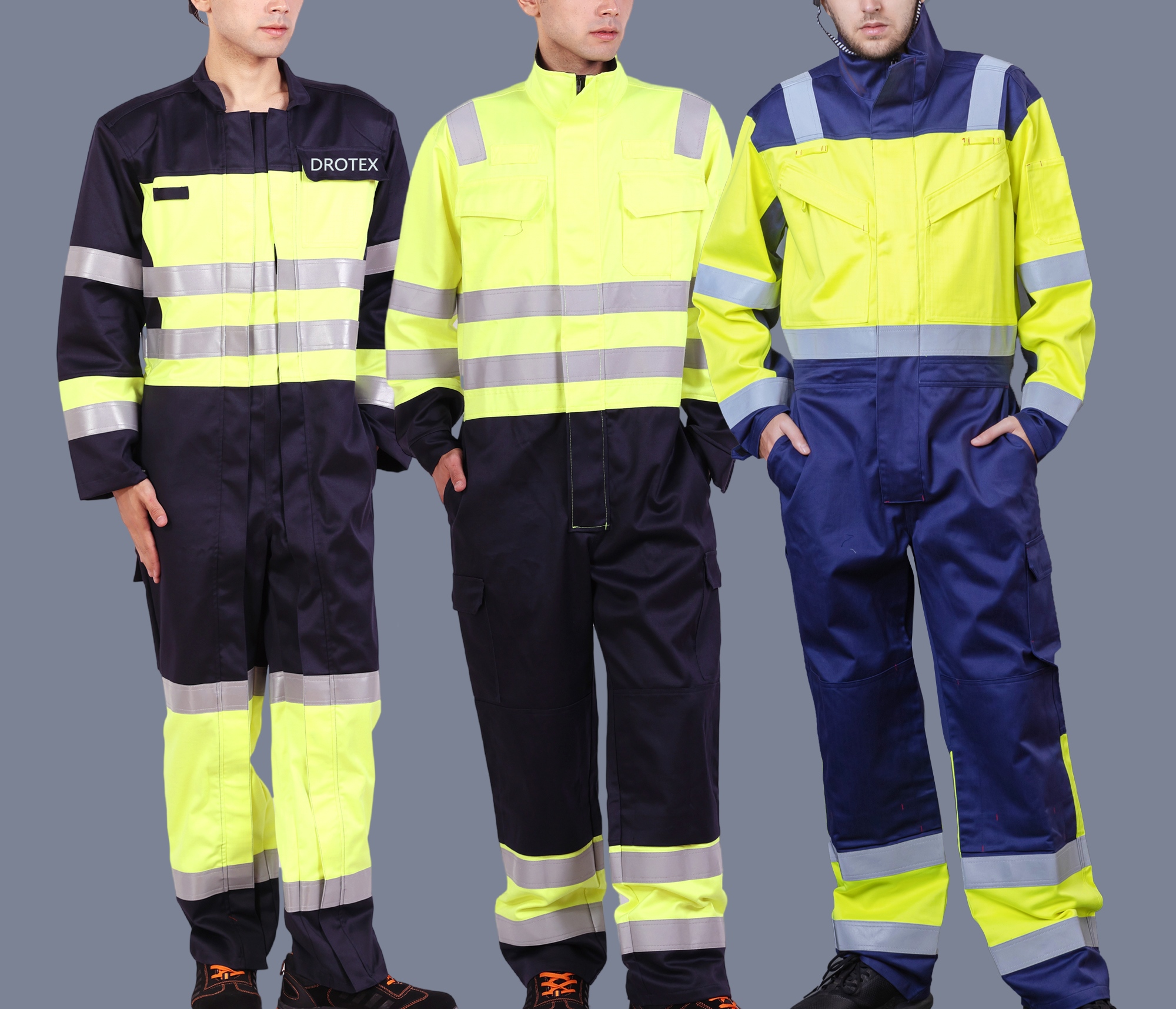
Choosing the right welding clothing isn't just about compliance—it's about trusting gear that stands between you and sparks that fly at 3,000°F. As a leading welding clothing manufacturer, DROTEX knows that every seam, every fiber matters when heat, slag, and molten metal are part of your daily reality. But how do you cut through the noise and pick protective wear that truly performs? This guide walks you through what to look for, what to avoid, and why a manufacturer’s expertise changes everything. Ready to rethink safety? Let’s dive in.
The Fabric Factor: Why Your Welding Jacket's Material Is Non-Negotiable
When you're standing in front of a shower of sparks, the last thing you want to worry about is your jacket melting into your skin. The material of your welding jacket isn't just about toughness—it's about how it behaves when things go wrong. A synthetic blend might be cheaper, but polyester and nylon melt, drip, and shrink under high heat, turning a minor spark into a severe burn. Cotton, on the other hand, chars and resists ignition, giving you crucial seconds to react. The difference isn't academic; it's written in the scars of those who learned the hard way.
But not all natural fibers are created equal. Untreated cotton smolders, while flame-resistant (FR) cotton is chemically treated to self-extinguish the moment the flame source disappears. Then there's leather, a classic for a reason: it reflects heat, resists sparks, and wears like iron. Yet leather's weight and stiffness can sap your energy over a ten-hour shift. The sweet spot often lies in hybrids—leather sleeves and chest on a FR cotton body—where protection meets mobility. The fabric isn't just a barrier; it's a second skin engineered for the specific rhythm of your work.
Consider the unseen threats: infrared radiation and molten metal splash. Lightweight denim might feel comfortable until it lets UV burns creep through or allows tiny spatter to embed in the weave. Specialty materials like aluminized fabrics or carbon fiber blends step in here, but they come with trade-offs in breathability and cost. The key is matching the material to the process: TIG welding demands dexterity and static-free fabrics, while heavy stick welding screams for thick leather. Your jacket's label isn't marketing fluff—it's a formula for surviving the day with your skin intact.
Cheap Gear, Steep Costs: The Real Price of Skimping on Protection
It starts innocently enough—a scratched lens, a frayed strap, a helmet that’s seen better days. The temptation to save a few bucks by skipping a replacement often feels justified, especially when the gear “still works.” But the ledger doesn’t end at the checkout. A cheap carabiner that fails under load, a worn rope that snaps on a fall, or a flimsy pad that crushes on impact—each one carries a bill far heavier than the initial savings. The real cost is measured in hospital stays, time off work, and the slow erosion of confidence that keeps you off the rock for months.
Protection gear isn’t just equipment; it’s a silent partner in every ascent. When you cut corners on a harness or settle for a second-rate belay device, you’re not just gambling with your own safety—you’re betting against the unpredictable. Rockfall, sudden weather shifts, a momentary lapse in focus: these are the moments when quality gear is the only thing between you and a catastrophe. The irony is that the financial hit from even a minor accident dwarfs the premium you’d have paid for gear that’s been tested, certified, and built to handle the raw edges of reality.
There’s also a hidden tax on the mind. Climbing demands full commitment, and if a tiny voice in your head is questioning the integrity of your rack, you’re already compromised. That hesitation can lead to over-gripping, rushed placements, or backing off routes you’d otherwise send. The best climbers invest in peace of mind as much as they do in carabiners and cams—because knowing your gear will hold lets you focus on the moves that matter. Skip the cheap stuff. The real price is always higher than the tag.
Flame-Resistant vs. Heat-Proof: Cutting Through the Marketing Hype
Walking through the safety gear aisle, you’ll see labels shouting “flame-resistant” and “heat-proof” like they’re the same thing. They aren’t. Flame-resistant materials are designed to resist ignition and self-extinguish once the flame source is removed, buying you precious seconds. Heat-proof, on the other hand, implies a material can withstand continuous high temperatures without degrading—something far more demanding and often misused in casual marketing.
Here’s the catch: a fabric can be flame-resistant yet still transfer intense heat right through to your skin, causing burns even if it never catches fire. True heat-proof items, like certain ceramics or specialized composites, block both direct flame and thermal transfer over time. Most products labeled as heat-proof for everyday use really mean heat-resistant at best, and that gap can be dangerous if you trust the hype without checking ratings.
To cut through the noise, look past the buzzwords and hunt for specific testing standards—think ASTM F1959 for arc flash or ISO 11612 for protective clothing. Numbers tell the real story. If a glove or jacket only boasts a vague “withstands extreme heat” claim without mentioning duration or temperature limits, assume it’s marketing fluff. Your safety deserves precise specs, not slogans.
Custom Apparel: Because One-Size-Fits-All Safety Doesn't Exist
Off-the-rack protective gear assumes every body moves the same way, but a sleeve that's too long can catch on machinery, and a cuff that's too loose might let sparks slip through. When safety depends on precise fit and unrestricted movement, mass-produced garments become a liability rather than a safeguard.
True protection comes from understanding the individual—their build, their tasks, their environment. A welder crouched in tight spaces needs reinforcement in different zones than a lineman reaching overhead. Custom apparel adapts to these realities, eliminating the dangerous compromises of standard sizing.
It's not about luxury; it's about necessity. Customization ensures materials, closures, and coverage work with the wearer's body, not against it. In industries where a single misstep can have serious consequences, personalized gear turns risk management into an exact science, one stitch at a time.
Simple Habits to Make Your Welding Gear Last Longer Than Expected
It’s easy to overlook the small things when you’re focused on the weld itself. But the truth is, most gear wears out prematurely not from heavy use, but from neglect between jobs. A quick wipe-down with a dry cloth after each session stops spatter from baking onto surfaces and prevents fine metallic dust from working its way into sensitive components. For leather gloves and aprons, a light application of a conditioner made for heat-resistant materials keeps them supple rather than letting them turn brittle and crack. These aren’t time-consuming rituals—they’re just habits that take seconds, yet they can add years to your tools.
Storage conditions play a bigger role than many welders realize. Leaving a torch or helmet in a damp corner invites corrosion, while direct sunlight can degrade plastic shells and headgear over time. Hanging cables loosely instead of winding them into tight coils prevents internal wire damage that leads to inconsistent performance. If you have a welding jacket, let it air out completely before folding it away—trapped moisture from sweat can rot the fibers faster than any arc-related hazard. And don’t forget consumables: electrodes and filler rods stay usable much longer when kept in sealed containers with a desiccant pack, away from temperature swings that invite condensation.
Inspecting your gear before each project doesn’t mean a full tear-down; a quick look for loose connections, frayed insulation, or cracked lenses catches problems while they’re still cheap to fix. Regulators and flowmeters last longer when you gently purge the line after shutting off the gas, preventing backflow that can contaminate internal parts. It all comes down to creating small, consistent routines that protect your investment without slowing you down. The welders who get the most life out of their equipment aren’t the ones who buy the priciest brands—they’re the ones who treat what they have like it matters.
Fit and Mobility: Why Your Protective Gear Should Move With You
When protective gear doesn't follow your body's motion, it becomes more of a hindrance than a help. Stiff, ill-fitting pads or guards can dig into skin, bunch up, and restrict your natural range—making every twist or stride feel awkward. Over time, this not only slows you down but also raises the chance of strains or impact injuries, because your movements are fighting against the gear instead of being supported by it.
Advancements in material science and design now allow gear to move seamlessly with you. Flexible fabrics, segmented armor plates, and ergonomic patterns let the equipment articulate as you do, without sacrificing protection. The best pieces feel like a second skin, staying put during sudden sprints or deep lunges so you stay focused on performance instead of constant readjustment.
FAQ
Your primary focus needs to be on the level of heat and spark resistance the fabric offers. Look for materials like treated leather or advanced flame-resistant textiles that won't ignite or melt under common welding conditions. Comfort and fit matter, but nothing beats gear that actually keeps you safe from burns.
Leather is the classic choice — it's tough, naturally resistant to sparks and spatter, and lasts a long time if you care for it. Synthetics, on the other hand, are lighter and often breathe better, making them ideal for longer shifts in warmer shops. The tradeoff is durability; high-quality leather can take more abuse, but premium synthetics have really closed the gap.
You want closures that don't create easy entry points for hot debris. Snaps and heavy-duty hook-and-loop are common, but look for covered or interior plackets. Some jackets even use angled pocket flaps and sleeve cinches that help seal the deal without being a hassle to open and close.
Absolutely. Budget gloves often use single-layer leather or thinner materials that degrade fast under high heat. Premium options typically have multiple layers — for example, a tough outer layer for abrasion, a insulating middle layer, and a soft inner lining. Stitching matters too; Kevlar thread holds up way better than standard cotton when things get really hot.
MIG and stick welding throw a lot of spatter, so you need heavy-duty leather or thick flame-resistant fabric head to toe. TIG produces far less spatter but demands more dexterity, so lighter, softer gloves and a more flexible jacket are preferred. Always check the gear's rating for the amperage range you'll be working at.
Sleeves need to stay put — elastic cuffs or adjustable straps at the bicep prevent them from riding down. For aprons, length matters; a split-leg design gives you easier movement while still protecting your thighs. Both should have flame-resistant binding on all edges to stop fraying after repeated exposure to sparks.
Look for clear certification labels, like ANSI Z87.1 in the US or the CE mark in Europe, with the appropriate shade number for your work. Don't just trust the box — check that the lens is properly marked and that the helmet has a solid, adjustable ratchet in the headgear. Cheap knockoffs often skip the certifications or offer flimsy suspension systems that fail fast.
Conclusion
When it comes to protective gear, a welding clothing manufacturer knows that the fabric you choose is the bedrock of safety. Leather and inherently flame-resistant treated cotton each have their place, but cutting corners here is never an option. Cheap materials might save you a few dollars upfront, yet they expose you to burns, UV radiation, and even fires that can lead to far steeper medical bills and downtime. The real cost of skimping is measured in injuries and lost productivity, not just in the price tag hanging from an ill-made jacket.
Beyond the fabric, you need to look past marketing buzzwords like “flame-resistant” and “heat-proof” and understand what they actually deliver in real welding conditions. Standard flame-resistant gear resists ignition, but it won’t keep you cool during prolonged exposure—there’s a difference few makers explain well. That’s why off-the-shelf solutions often miss the mark. Custom apparel isn’t a luxury; it’s a necessity when no two welders move the same way or face the same risks. A jacket that’s tailored to your build won’t ride up or restrict your arms overhead, letting you work without fighting your own clothing. Even the best gear, though, demands simple habits to last: clean it regularly to remove flammable residues, store it away from sunlight and moisture, and check seams before each use. When fit, material quality, and care align, you get more than protection—you get gear that moves with you, shift after shift.
Contact Us
Contact Person: Sandy
Email: [email protected]
Tel/WhatsApp: 86150 8310 5120
Website: https://www.frdrotex.com